
MAGAZINE
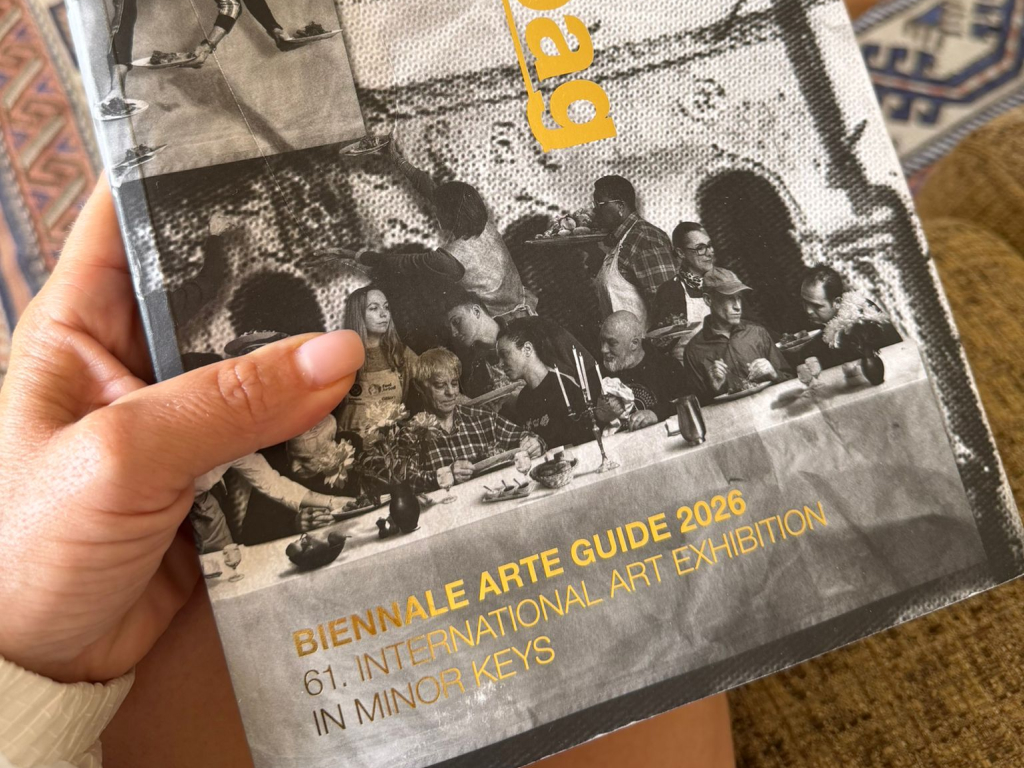
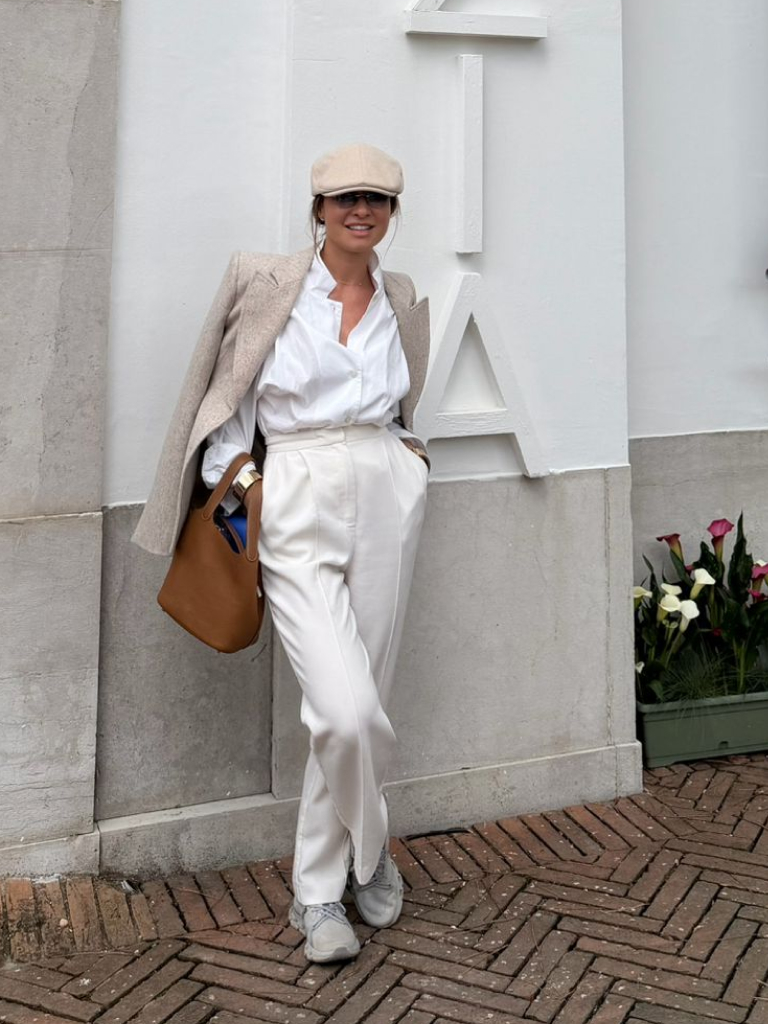
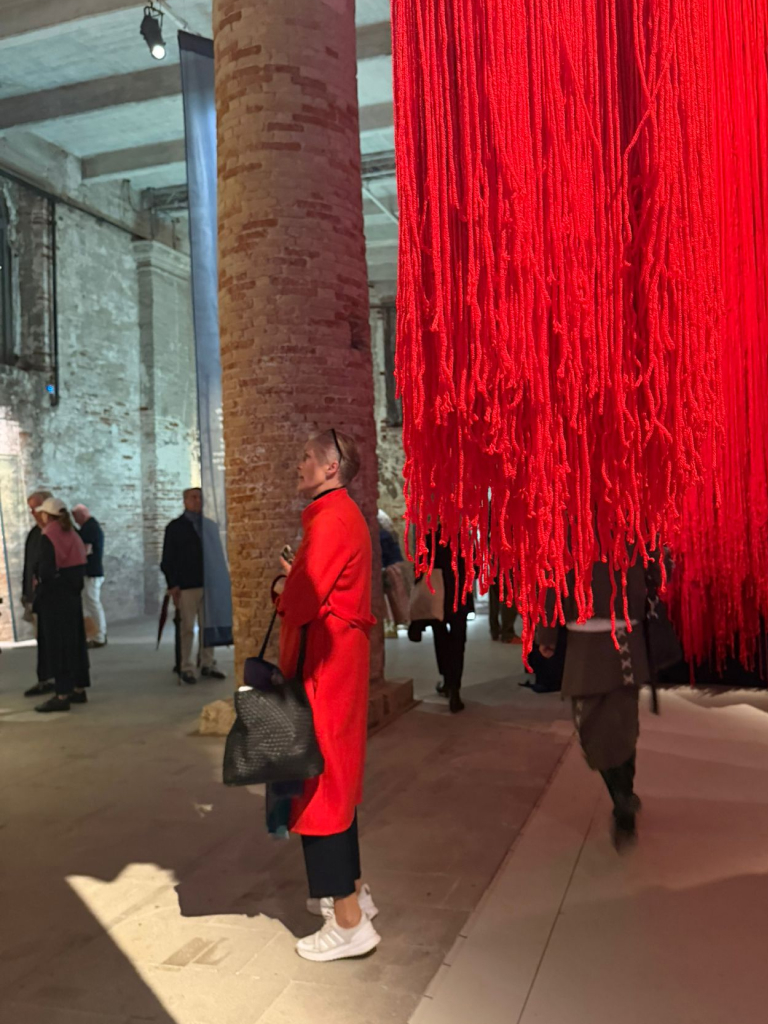
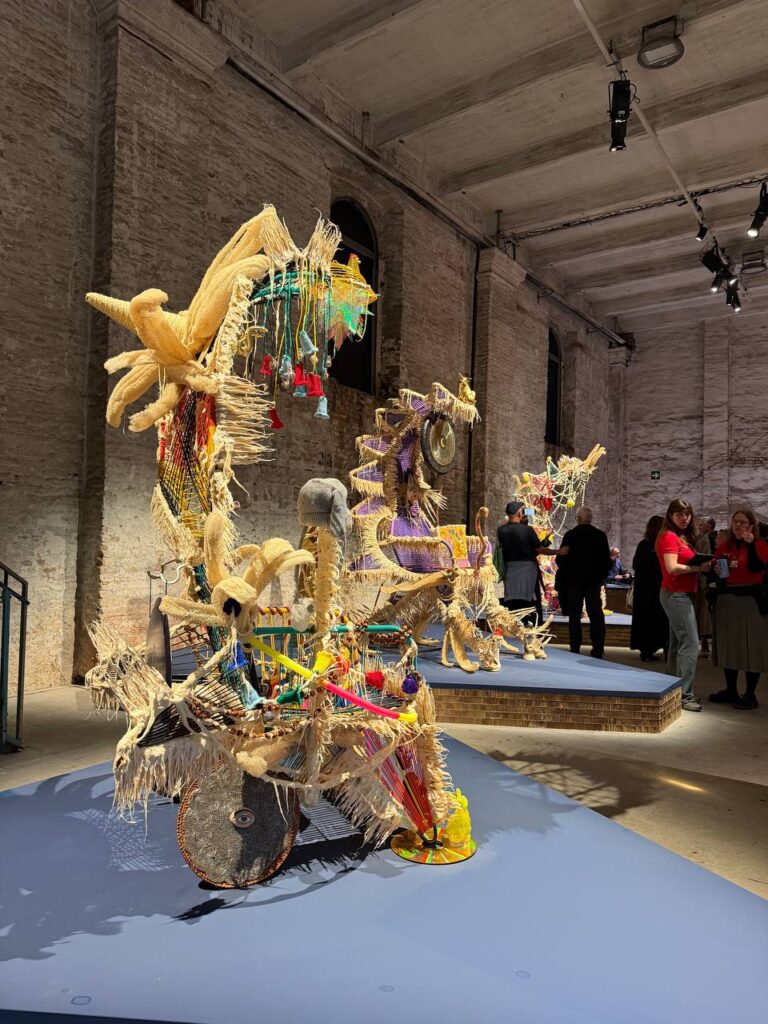
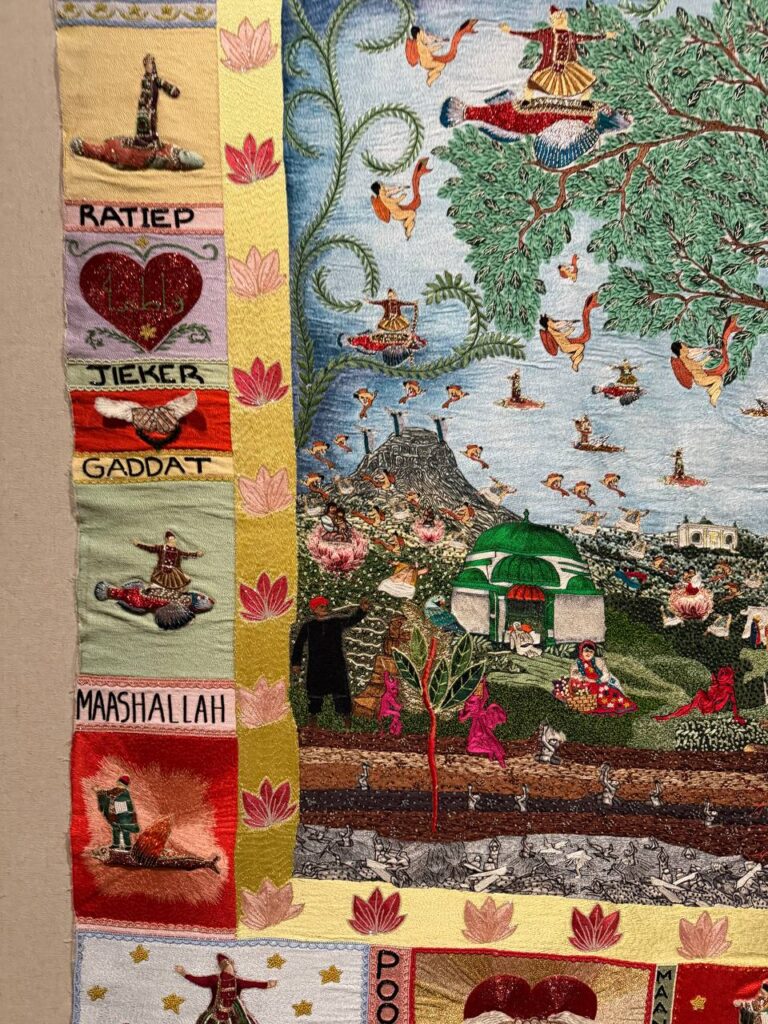
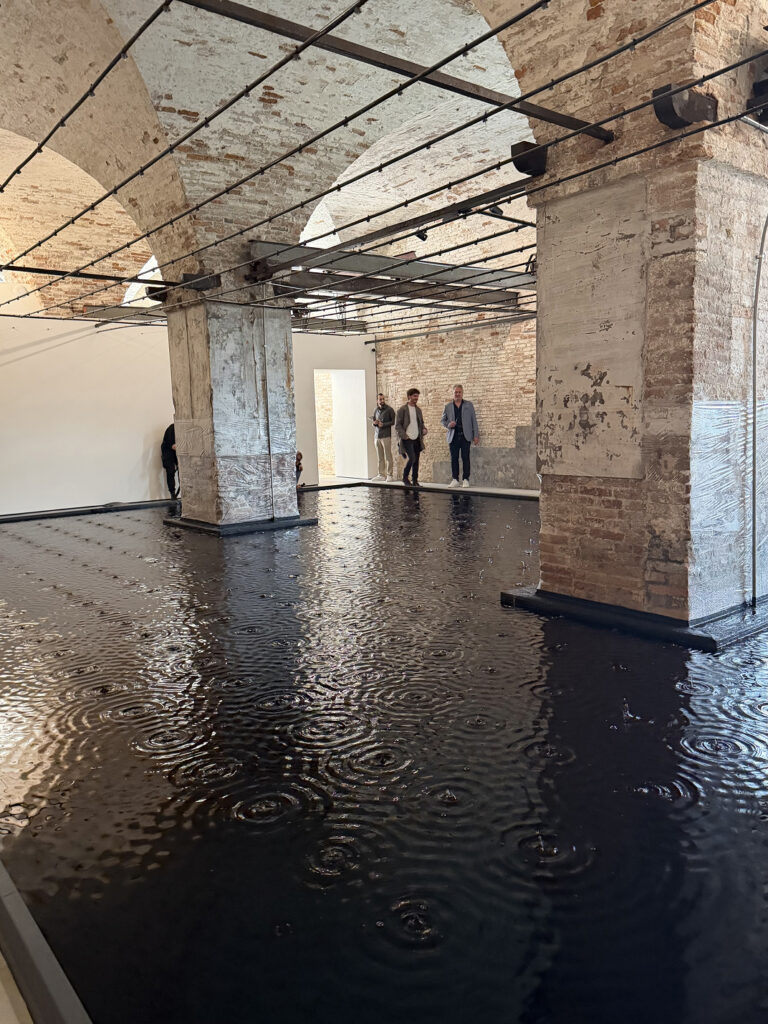
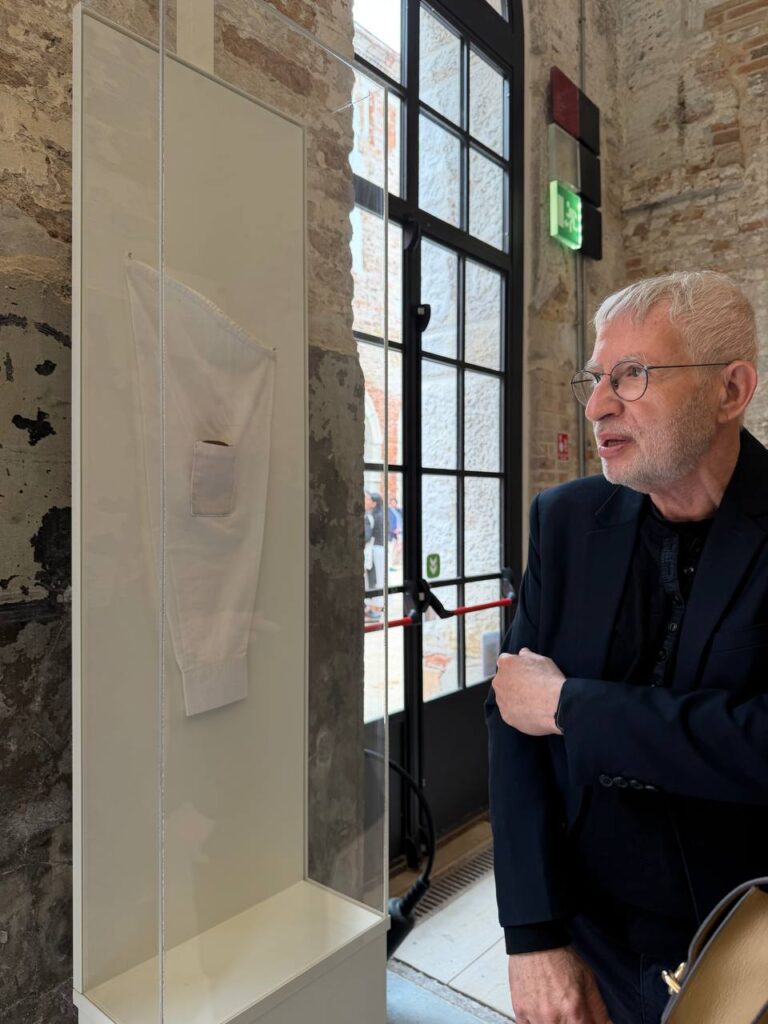
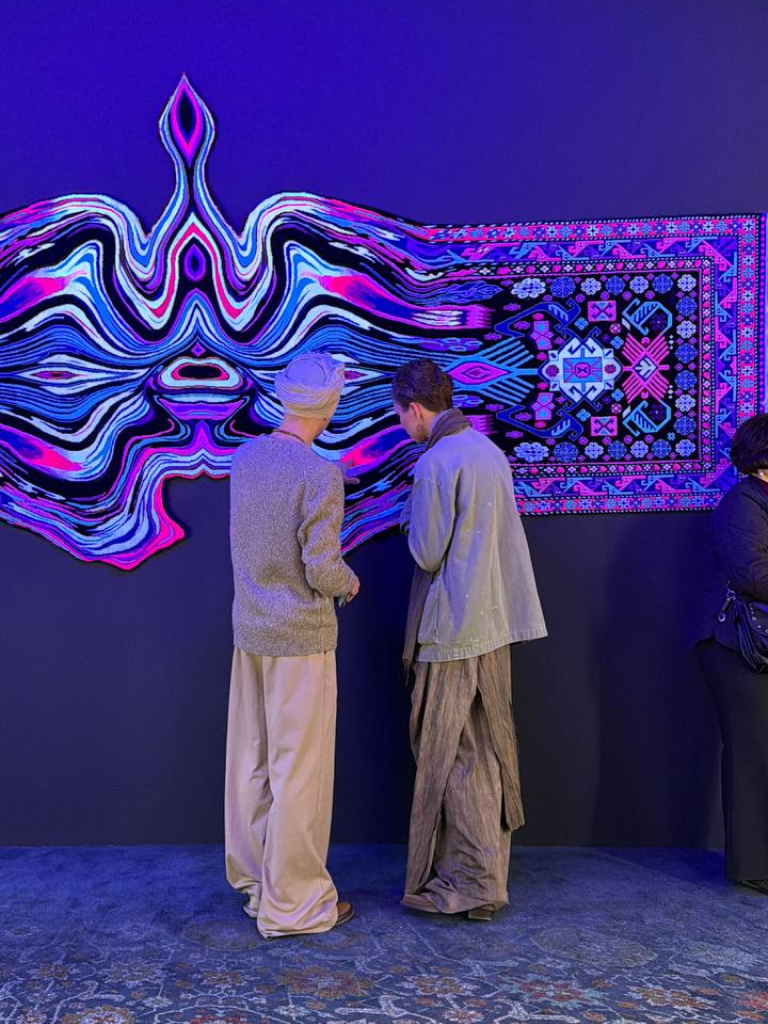
Venice Biennale 2026: In Search of Authenticity


Related Posts
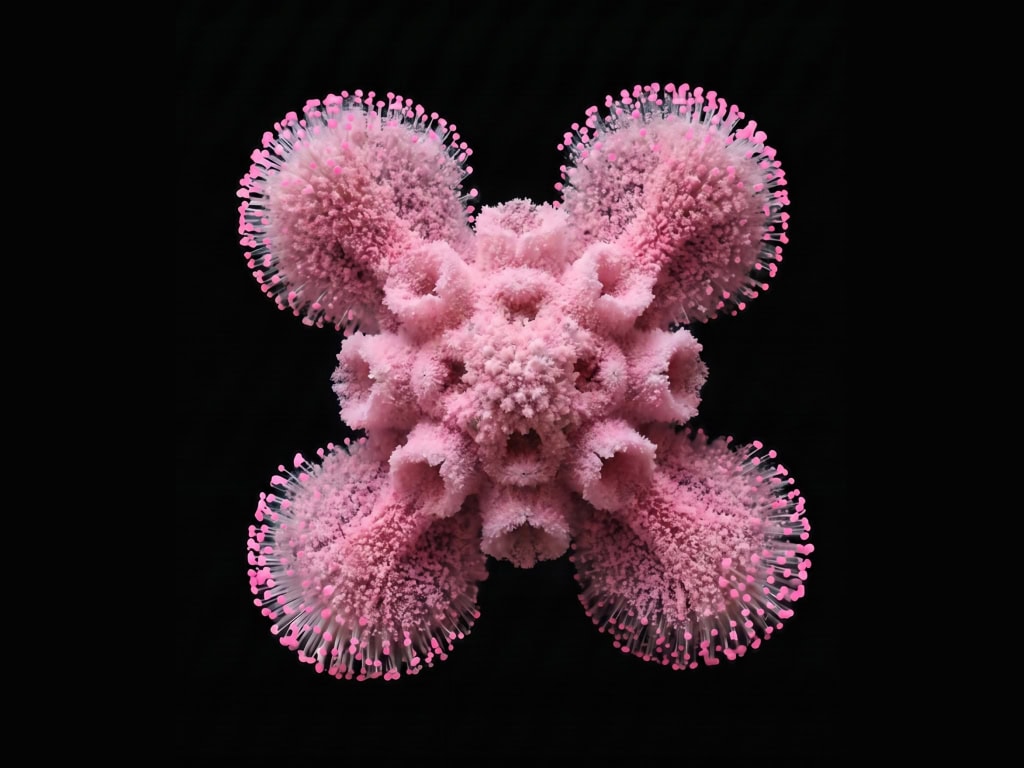
“The Circle”: What the New Material of the Design World Looks Like

A dress grown from its own root system. A car that folds itself smaller to move through a crowded city. A machine that pulls drinking water out of the air. An eight-meter wooden whale shark, suspended mid-swim in a gallery. These are not props from a speculative film - they are exhibits, and this September they will fill five spaces inside Design Museum Holon.
“The Circle,” opening to the public o...
Wishes. Open Call for artists and Creators. Rosh HaShana Edition
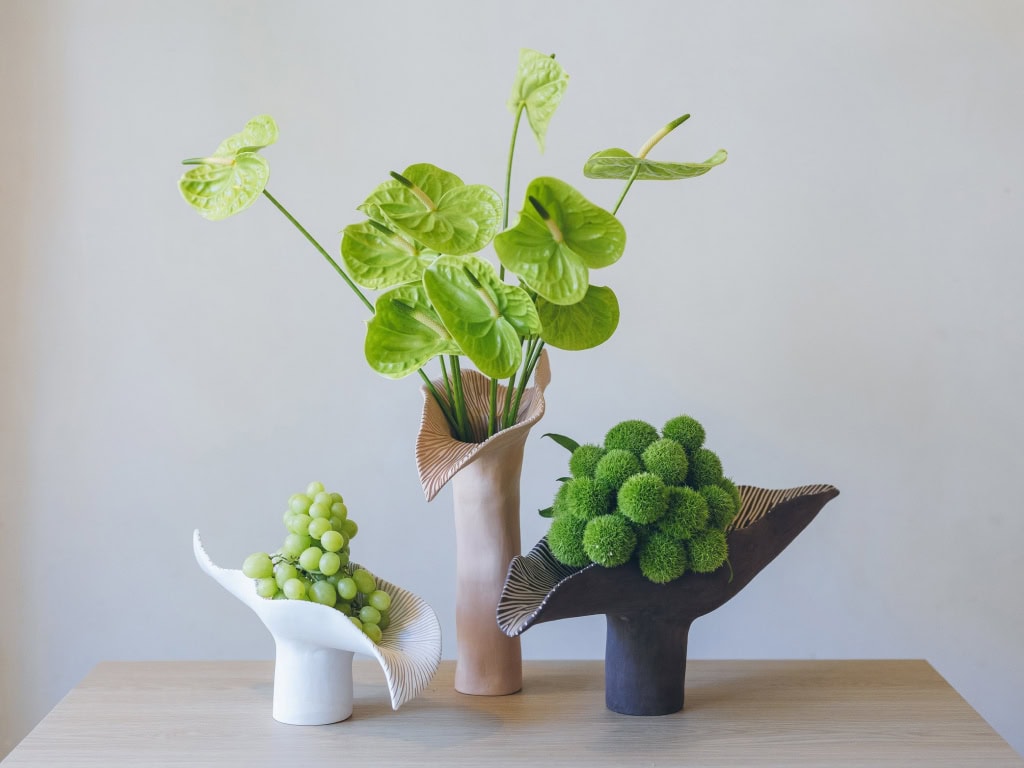
Сeramic artworks by Shiri Lopata, styling by Ran Golan for DI Catalogue, photography Iya VolkovOrganizers: DI Catalogue x ECLECTICTLVCuration: Ela Cohen
for artists and creators
Deadline: September 4
APPLY NOW
concept
What would you wish for the world if your work could speak?Every New Year begins with a wish - personal or shared, quiet or bold.Peace....
When the Table Becomes a Canvas
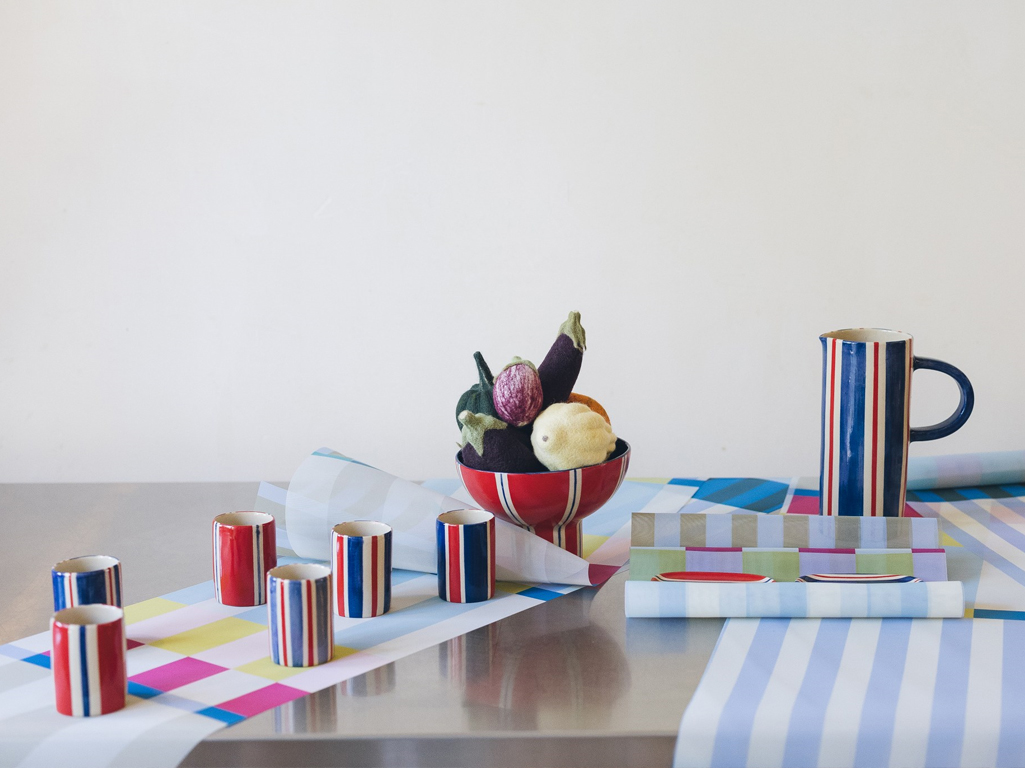
There are objects we place on a table because we need them. And there are objects that change the table completely, bringing character, memory, texture, humor and a sense of occasion into the space around them.
This was the idea behind DI Catalogue’s x ECLECTICTLV Open Call "One Table" - to discover local artists, designers and makers working across ceramics, metal, textile, wood and other materi...
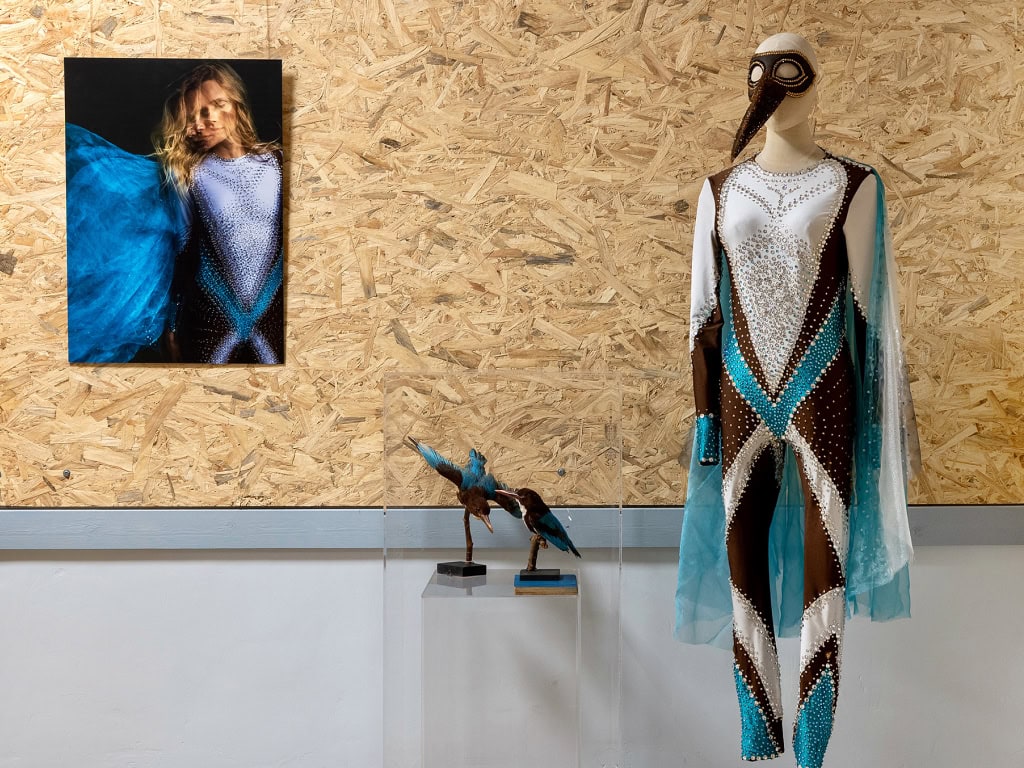
The Pouch, the Wing, the Scale: Inside a Wardrobe Built by Evolution
A shirt cut like the pouch of a red kangaroo, offering warmth and shelter. A corset that inflates like the body of a pufferfish bracing for danger. A headpiece born from the crescent-caped lophorina's courtship display. Fashioning Animals, a new exhibition at the Museum of Man and the Living, invites twelve Israeli fashion designers to look past fur and feathers as mere pattern, and into the deepe...
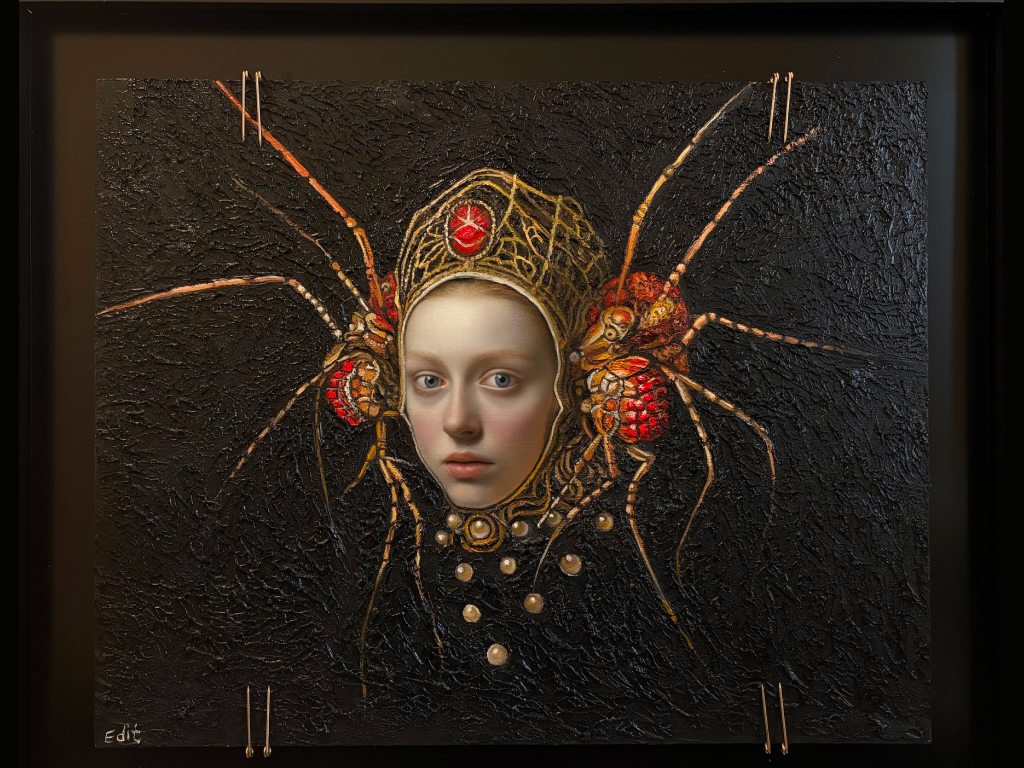
What Remains When Beauty Fades. A Conversation with Edit Ben Gida
What happens when beauty becomes both a promise and a trap?In her solo exhibition Beauty is Deceptive at Corridor Gallery, artist Edit Ben Gida turns to feminine archetypes shaped by mythology, art history, cultural memory, and imagination. Her figures are not portraits, but images of women as culture has created them: adorned, idealized, feared, desired, and preserved.Through gold, flowers, insec...
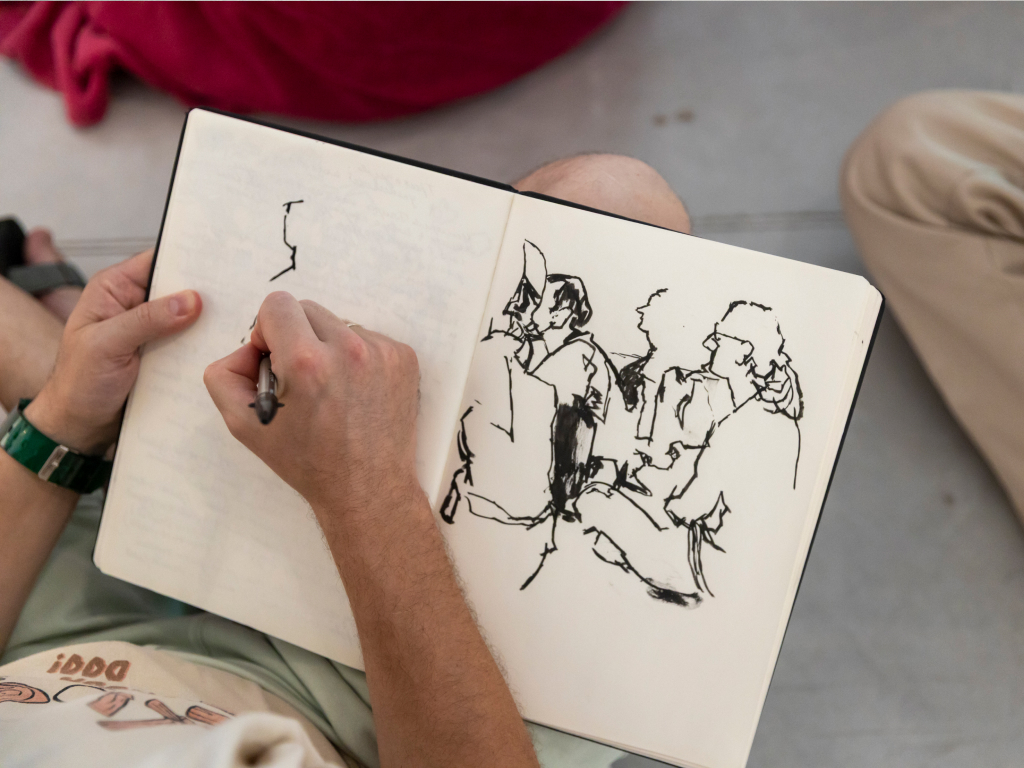
Keeping Your Voice, Finding Your Place. DOR by ANU.
Moving to a new country means much more than learning a new language. For artists and creative professionals, it also means finding a new audience, understanding a different cultural context, and rebuilding a professional network from the ground up.We spoke with Dasha Ilyashenko and Anna Guterman, program coordinators of DOR, a professional accelerator developed by ANU – Museum of the Jewish Peopl...
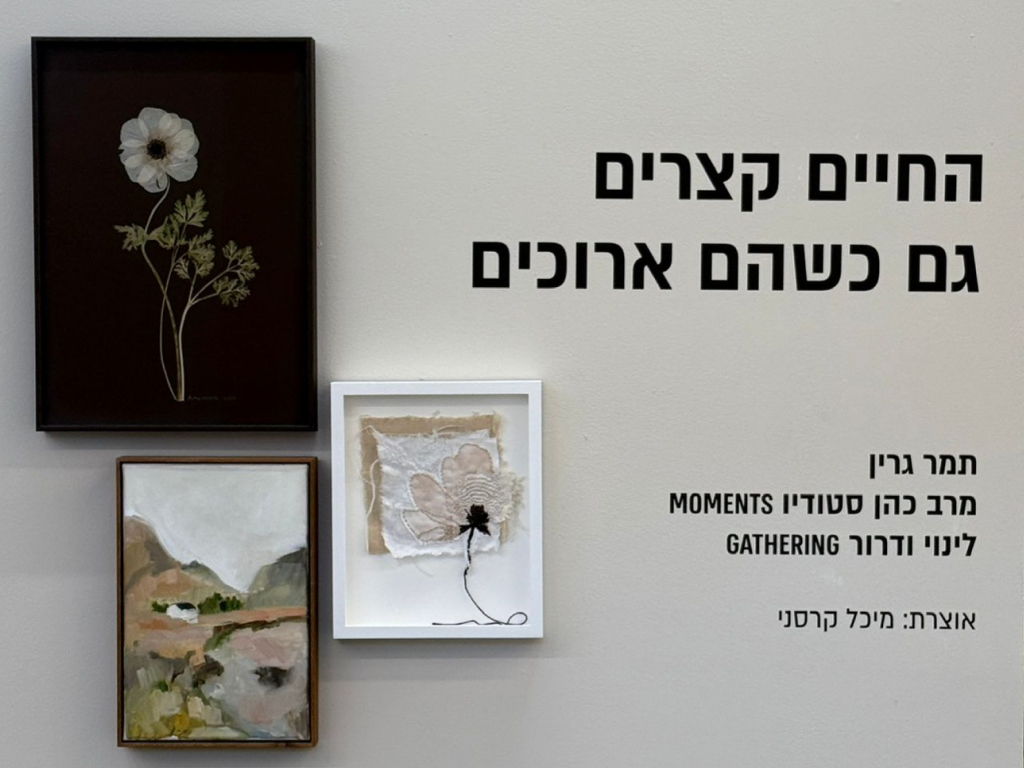
Life Is Short Even When It Is Long: A Space to Pause
In a noisy and fast-paced world, where pressure and overload have become inseparable parts of everyday life, the longing for spaces of stillness, slowness, and reflection grows ever stronger. The way we look at our home and our surroundings has shifted, and we find ourselves searching for anchors of stability, comfort, and belonging.Life Is Short Even When It Is Long is a group exhibition presente...
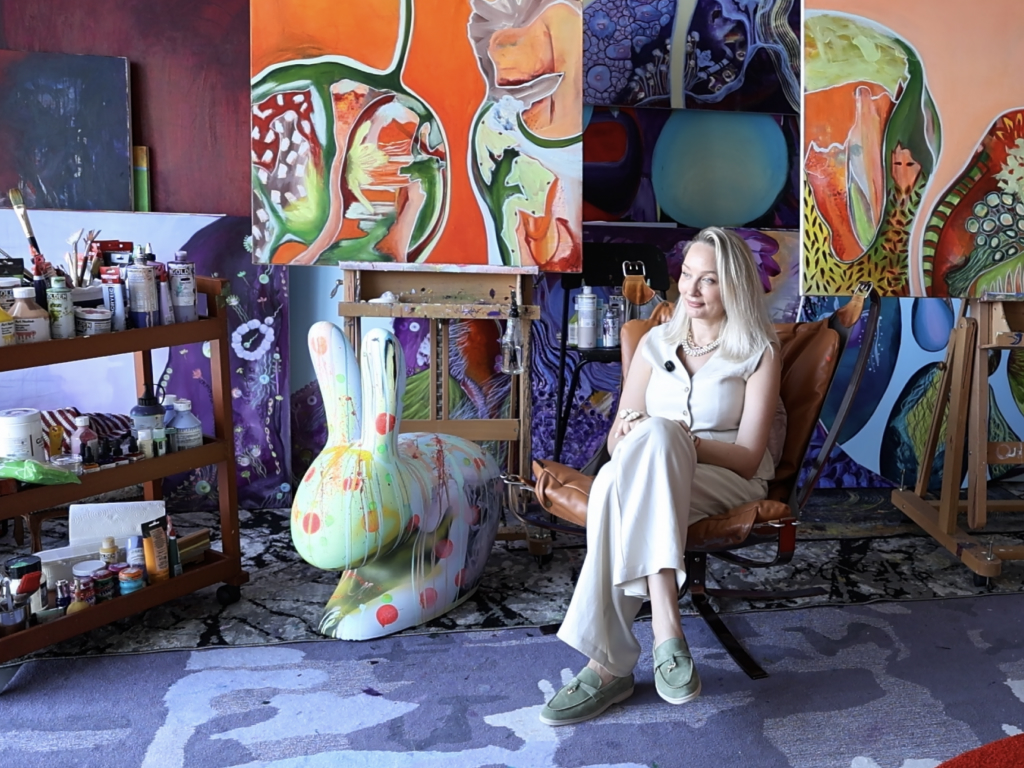
Karina Lumiere. Interview with the Artist
Karina Lumiere is an intuitive abstract artist based in Tel Aviv, whose paintings are filled with color, energy and inner light. She touched a canvas for the first time at the age of forty and what began as a personal need for calm and self-expression became the beginning of a powerful artistic journey.In this interview, Karina speaks about finding her own voice through abstraction, entering the a...
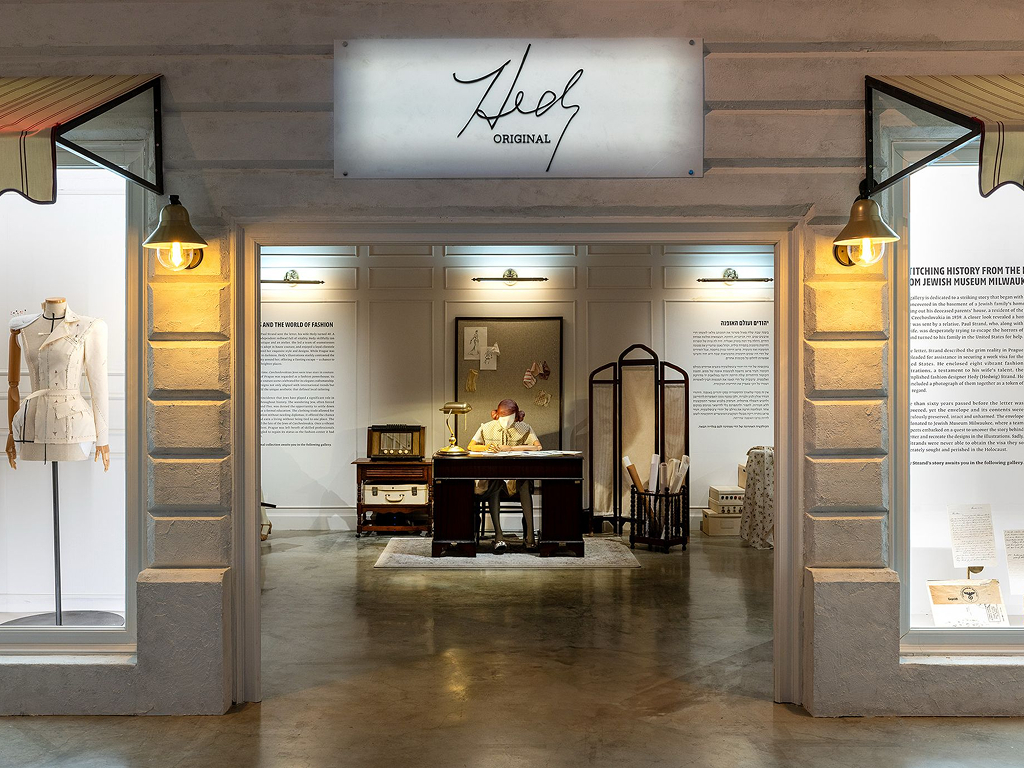
Threads of Memory, Threads of Hope. A Conversation with Curator Yaara Keydar
A bra sewn from a coat lining inside a concentration camp. A wedding dress made from a military parachute. A thimble carried through unimaginable loss. The exhibition at Design Museum Holon tells the story of fashion not as luxury or aesthetics, but as a tool of survival, dignity, identity, and hope.We spoke with curator and a fashion historian Dr. Yaara Keydar about the exhibition's creation, the...
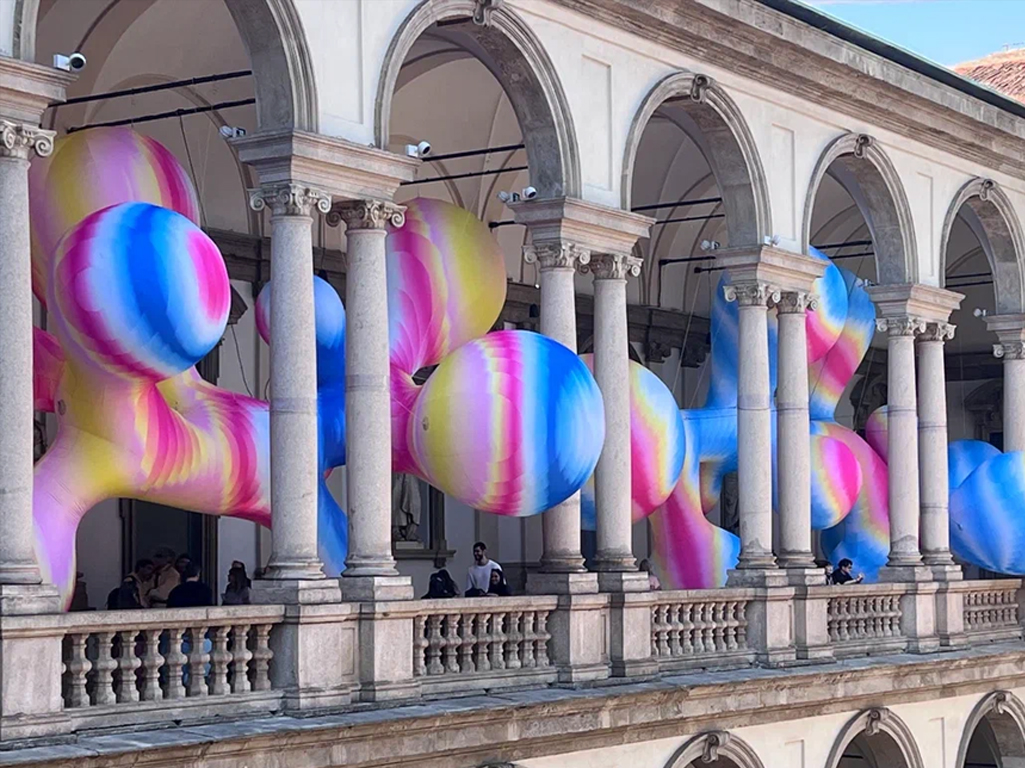
Salone del Mobile Milano 2026: A Space That Changes the Way We Feel
Recently, Milan hosted the annual Salone del Mobile — one of the key events in the world of design, which traditionally sets the direction for the industry for the year ahead. As always, the scale of the exhibition is truly overwhelming: dozens of pavilions, hundreds of brands, thousands of exhibits, and an endless variety of interpretations of what contemporary interiors can be.In this article, w...
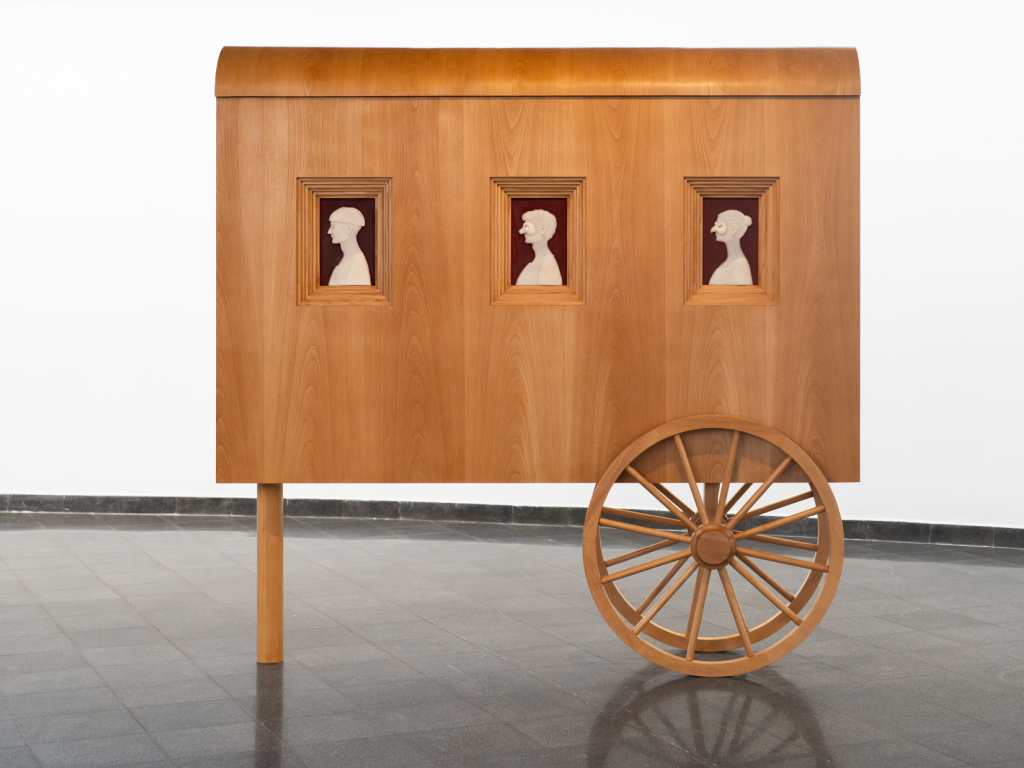
The Impossibility of the Panorama: Image, Memory, and the Atlas in Space
As the exhibition “Panorama: The Sphere of the Atlas” is currently on view at the Bat Yam Museum of Art, we spoke with its curator, Orit Bulgaru (Ph.D), an independent curator and researcher of visual culture, about the ideas behind the project. In the interview, we touch on how images travel across time and cultures, how theory becomes a physical exhibition, and how contemporary artists engage wi...
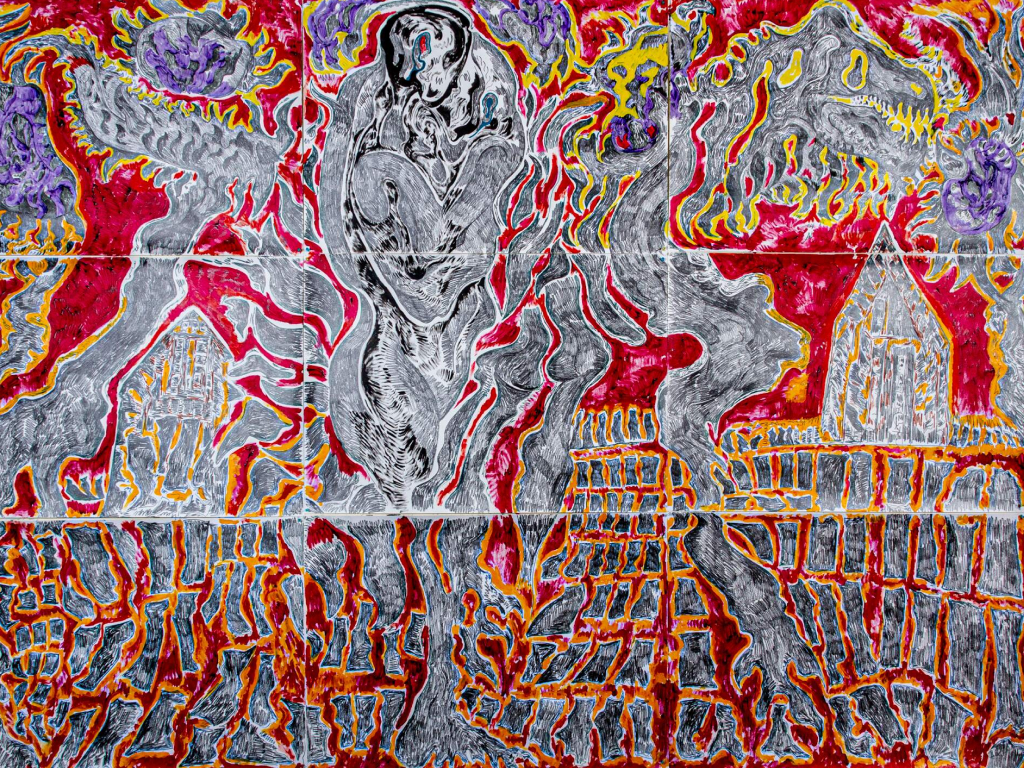
Between Flesh and Line: Interview with Artist Noam Omer
Shortly after the opening of his new solo exhibition “The Enchanted Forest” at Artists’ House Tel Aviv, we sat down with artist Noam Omer to speak about his practice, rooted in the physicality of the body, the intensity of line, and the search for a living, almost tactile presence within the image. Through large-scale works and evolving compositions, the exhibition brings together mythological fi...