
MAGAZINE
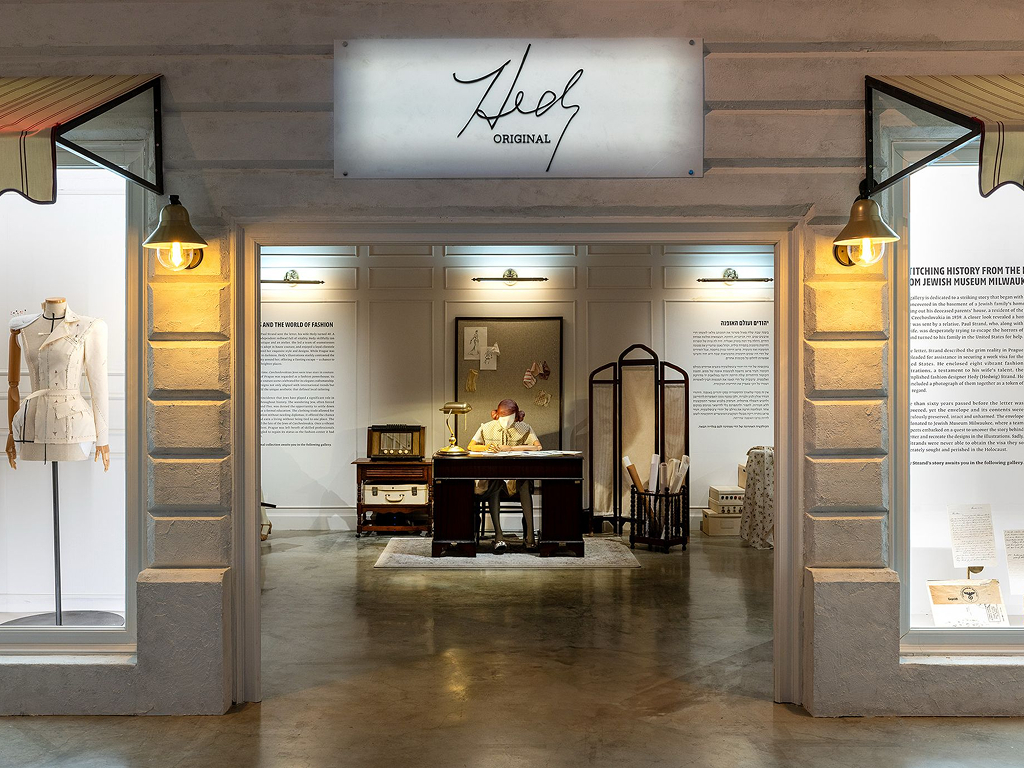
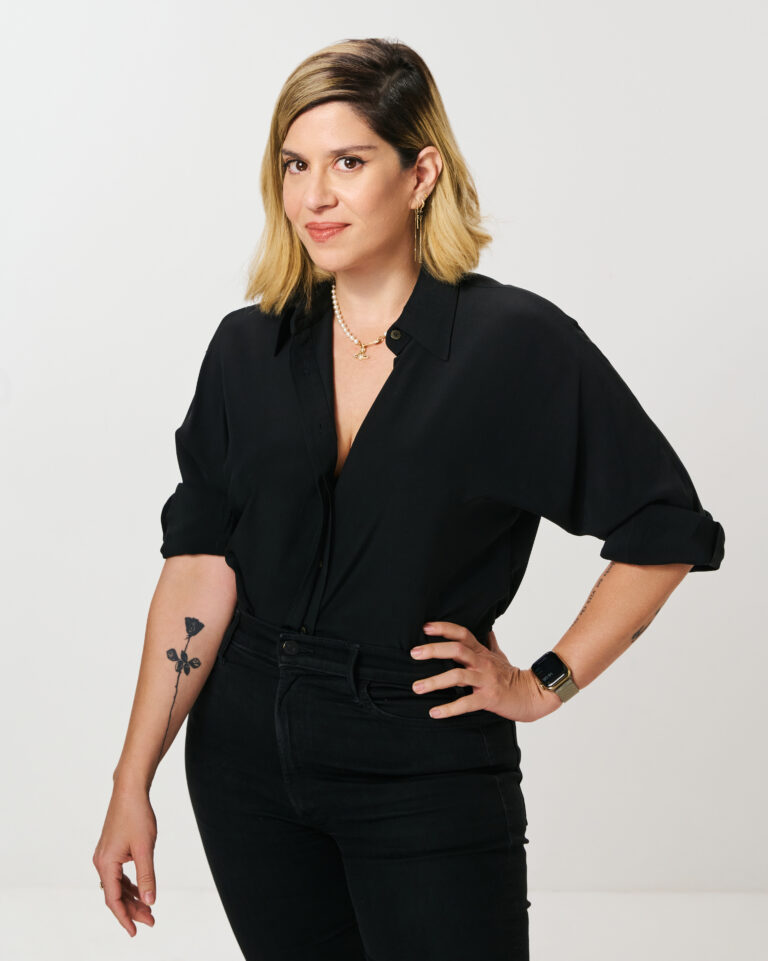
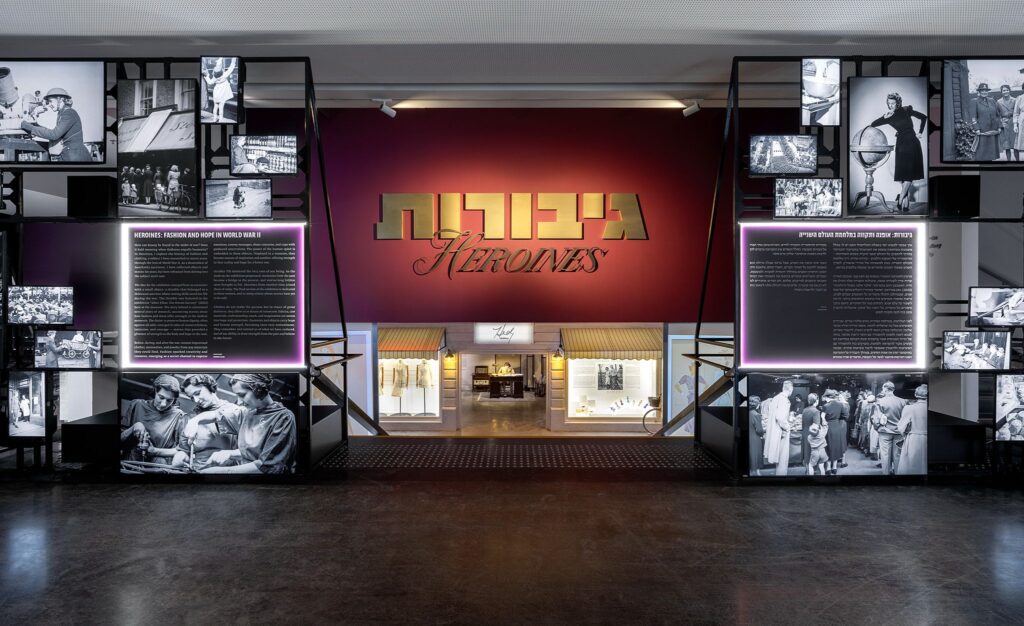
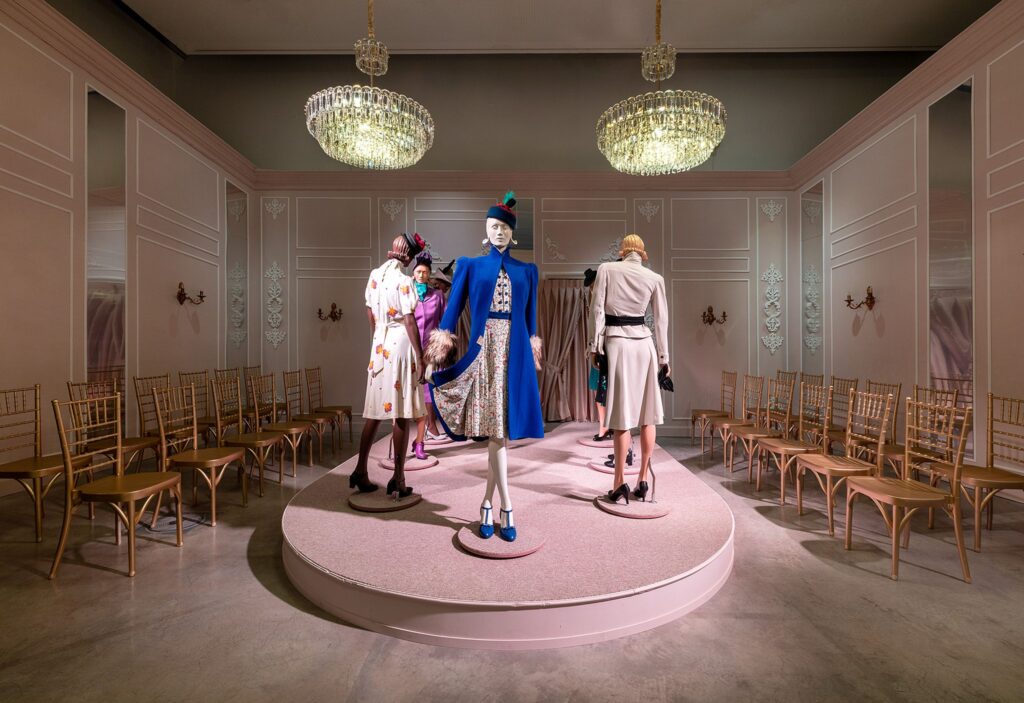
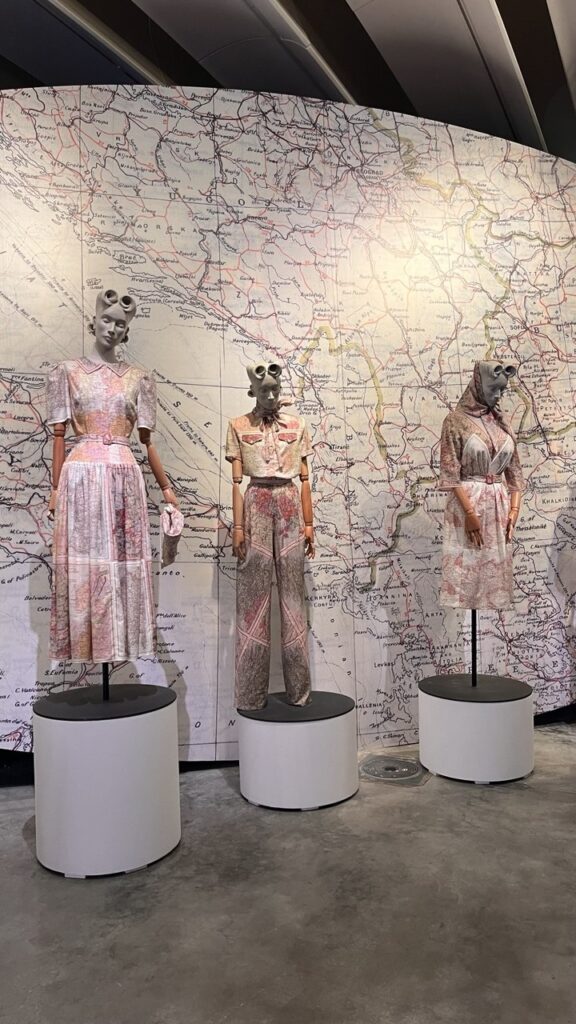
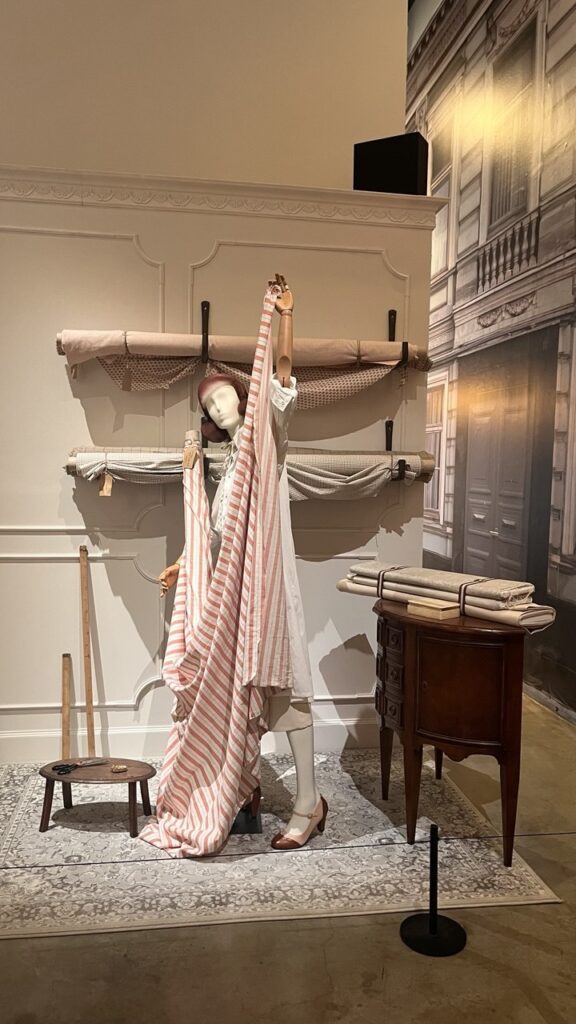
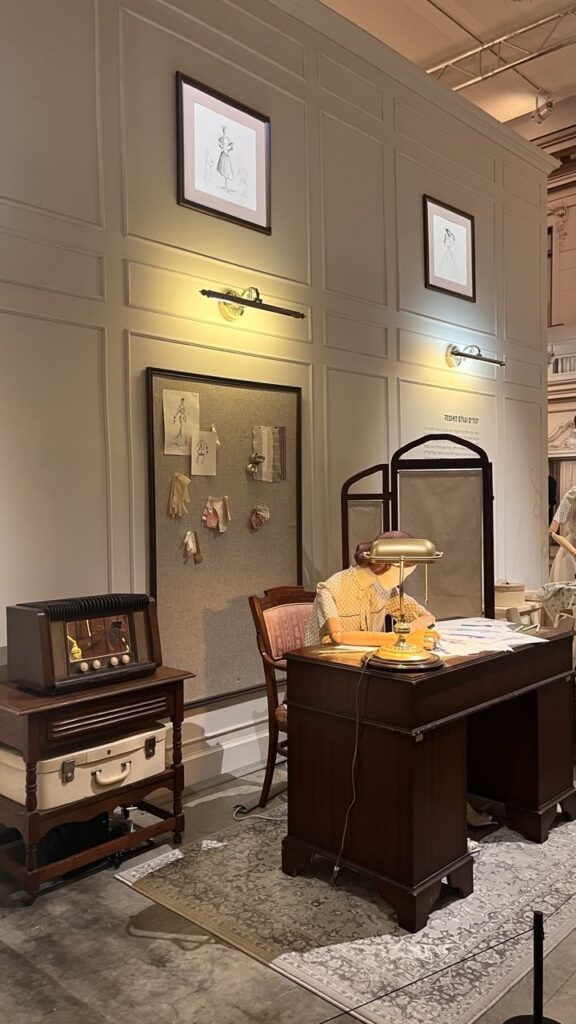
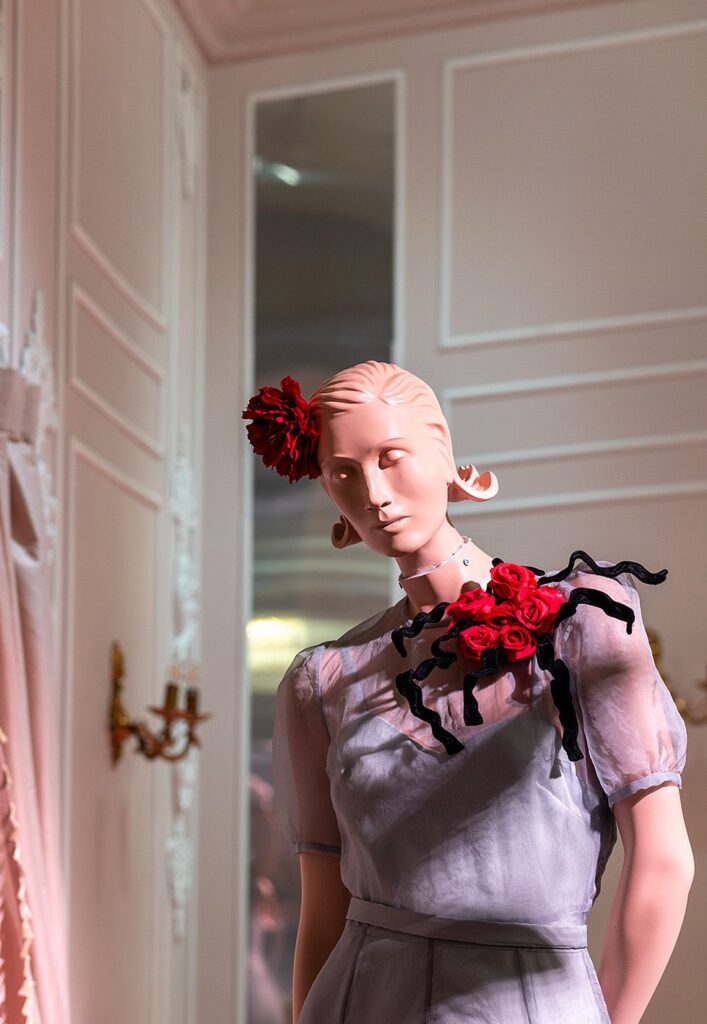
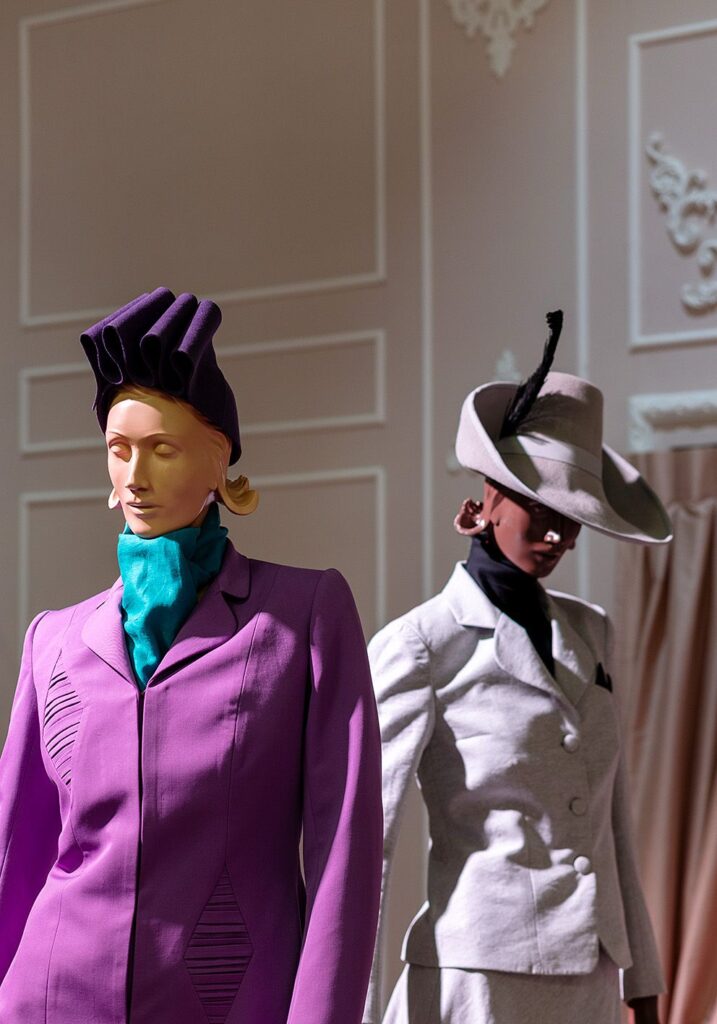
Threads of Memory, Threads of Hope. A Conversation with Curator Yaara Keydar

Related Posts
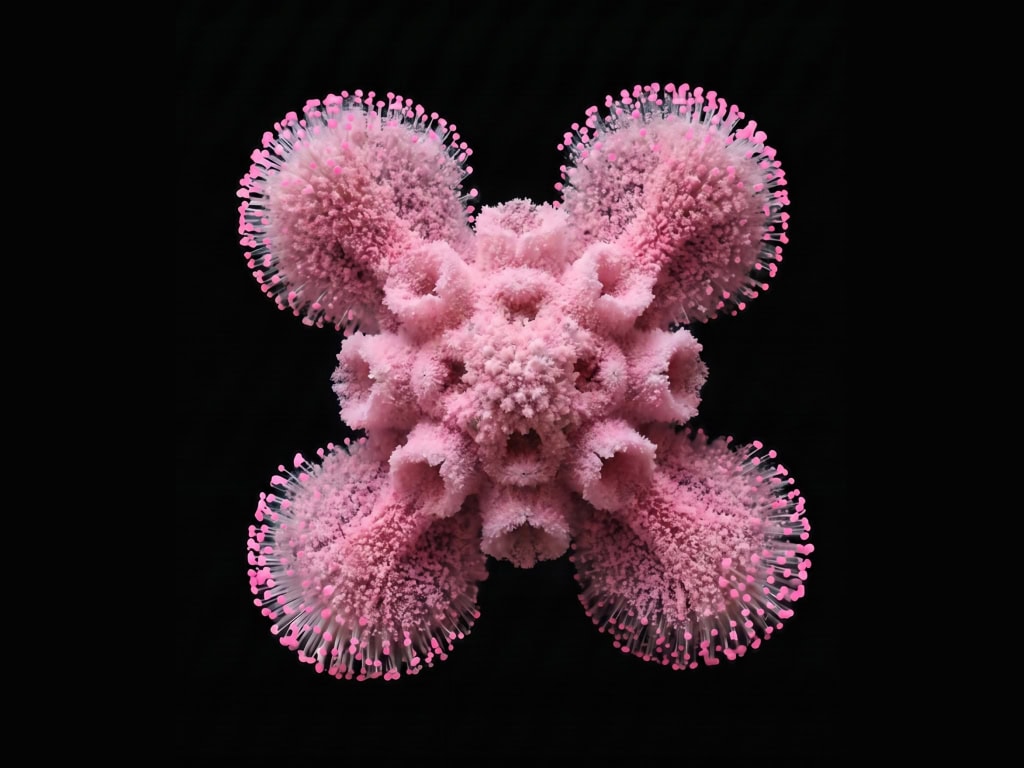
“The Circle”: What the New Material of the Design World Looks Like

A dress grown from its own root system. A car that folds itself smaller to move through a crowded city. A machine that pulls drinking water out of the air. An eight-meter wooden whale shark, suspended mid-swim in a gallery. These are not props from a speculative film - they are exhibits, and this September they will fill five spaces inside Design Museum Holon.
“The Circle,” opening to the public o...
Life Is Short Even When It Is Long: A Space to Pause
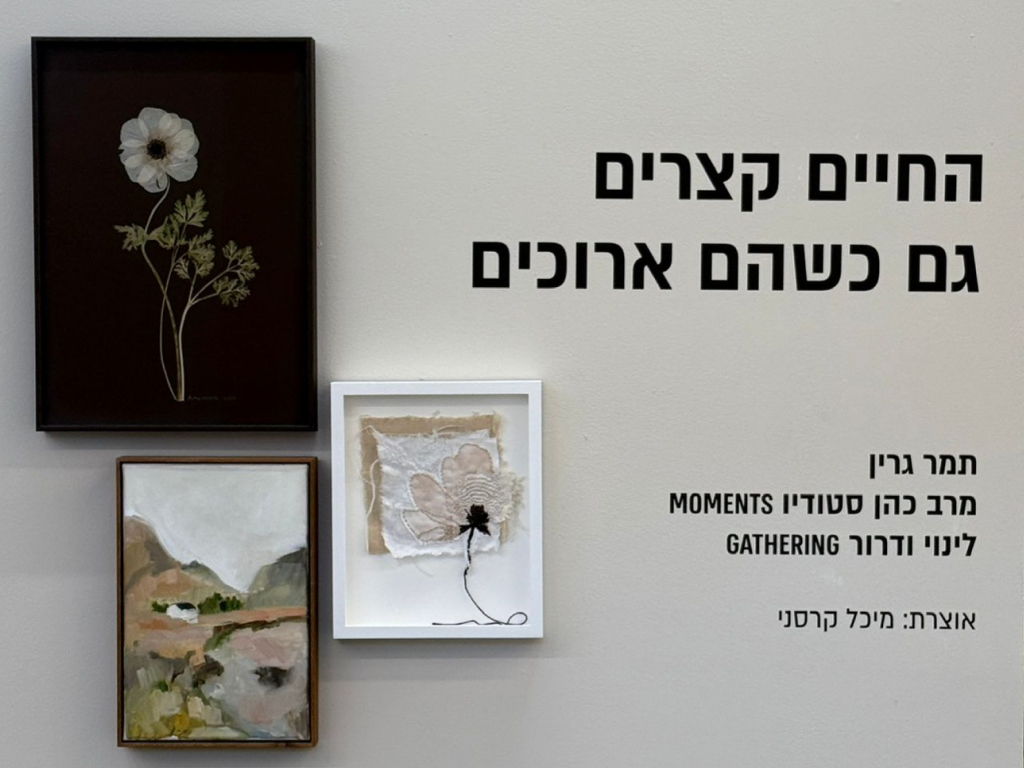
In a noisy and fast-paced world, where pressure and overload have become inseparable parts of everyday life, the longing for spaces of stillness, slowness, and reflection grows ever stronger. The way we look at our home and our surroundings has shifted, and we find ourselves searching for anchors of stability, comfort, and belonging.Life Is Short Even When It Is Long is a group exhibition presente...
Salone del Mobile Milano 2026: A Space That Changes the Way We Feel
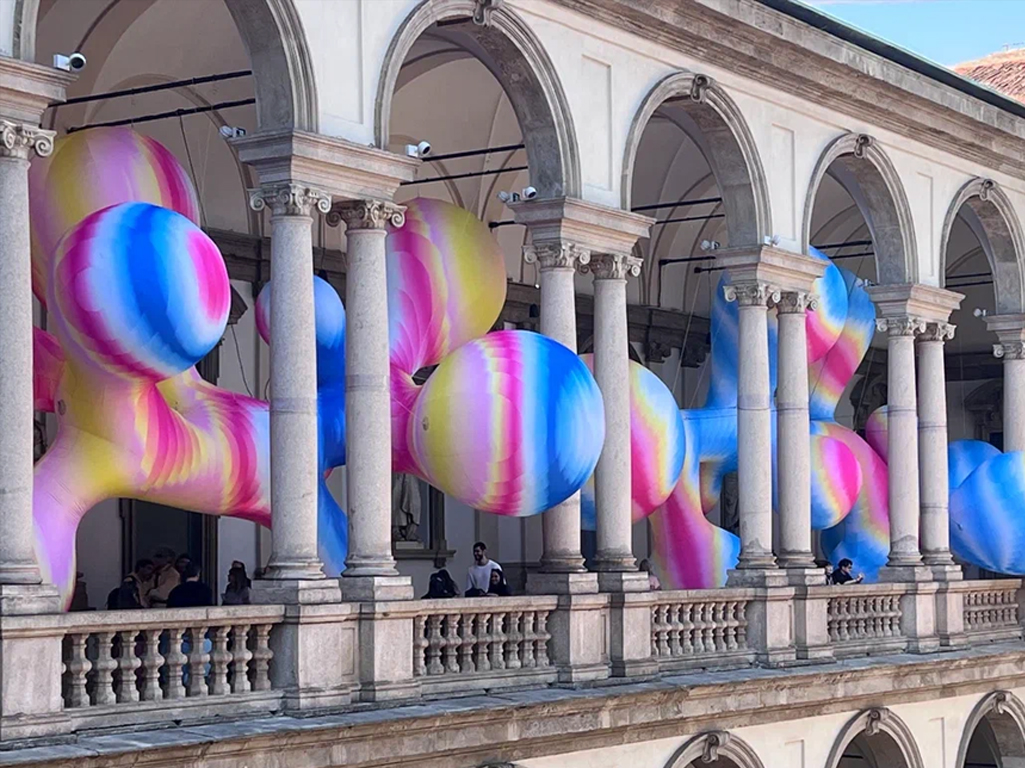
Recently, Milan hosted the annual Salone del Mobile — one of the key events in the world of design, which traditionally sets the direction for the industry for the year ahead. As always, the scale of the exhibition is truly overwhelming: dozens of pavilions, hundreds of brands, thousands of exhibits, and an endless variety of interpretations of what contemporary interiors can be.In this article, w...
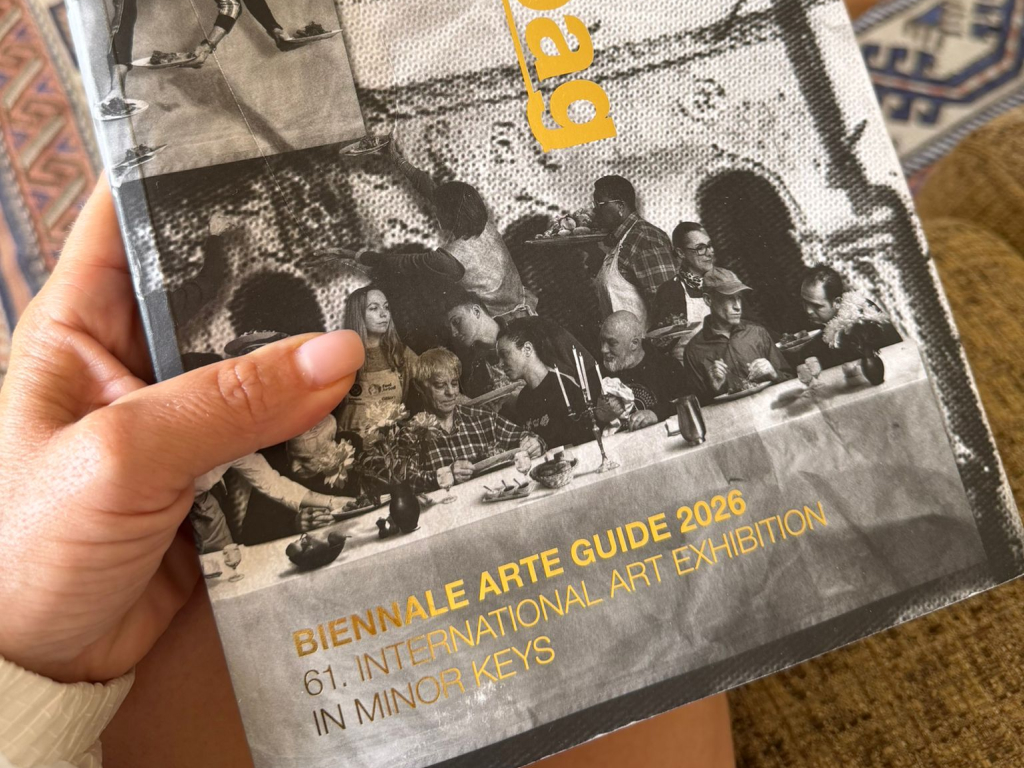
Venice Biennale 2026: In Search of Authenticity
On May 9, the 61st Venice Biennale opened to the public — one of the most important global events in art and architecture, bringing together 99 participating countries and more than 110 artists across the main exhibition and national pavilions. This year, Israel is once again among the participants, continuing its presence within the international cultural dialogue.We spoke with independent art cu...
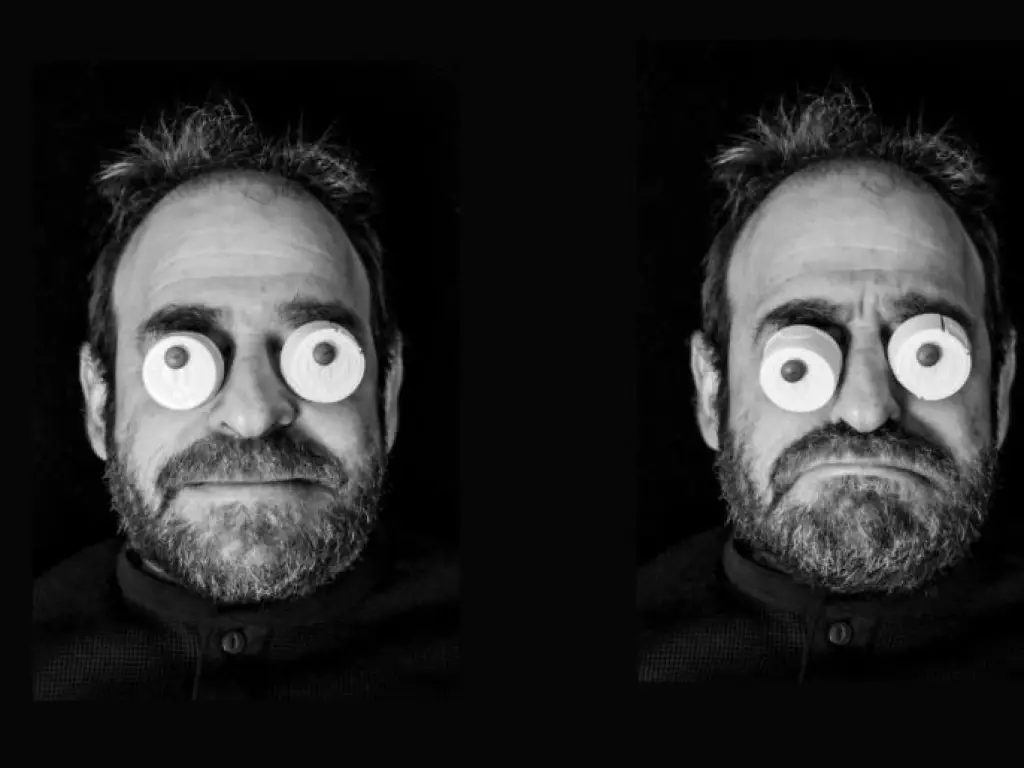
6 Exhibitions To Visit In October-November
Alexandra Levin, art historian, art guide and DI art expert prepared her list of local exhibitions and cultural events that she highly recommends to visit in October-November!
1. Loving Art, Making Art Festival
Jaffa Port, Tel AvivThe annual “Loving Art, Making Art” festival brings together art, environment, and the community. Held each year in different locations across the Tel Aviv...
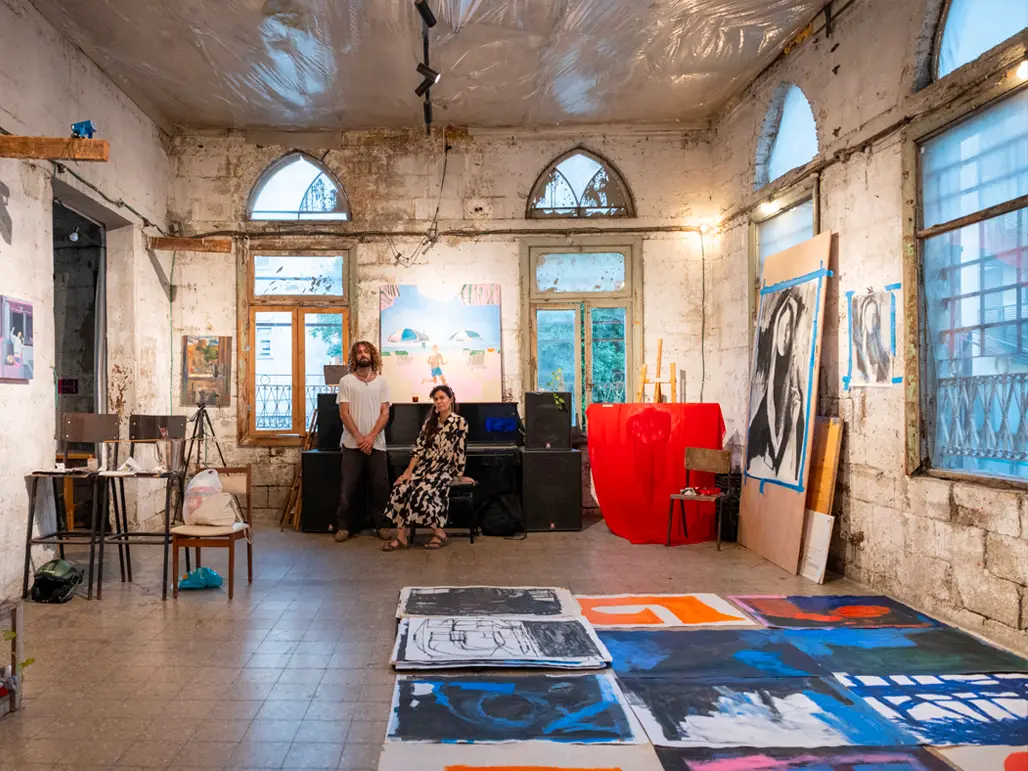
KakdelArt – a Platform for Artists’ Integration. Conversation with Founder Dasha Ilyashenko
Dasha Ilyashenko is a contemporary art curator, cultural event producer, and community manager and a founder of KakdelArt, a platform that helps artists integrate into the local art scene in Israel. In this conversation, Dasha shares the story of how the platform was created, her goals, and her vision of the future.Dasha, you moved to Israel not so long ago yourself. Did you found KakdelArt right...
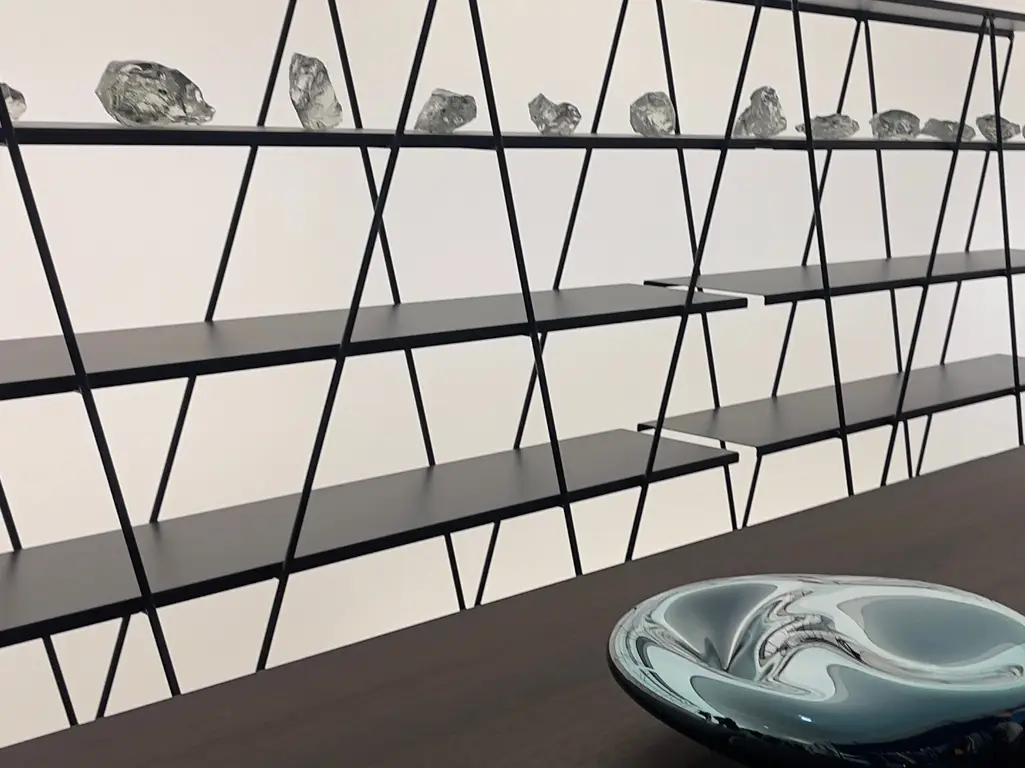
5 Brands That Stole My Heart: Victoria Paltilov Reflects on Milan Design Week

This year’s Salone del Mobile was truly impressive in its scale and energy — 16 halls, 169,000 square meters of exhibition space, and nearly 300,000 visitors from around the world over just six days (in comparison to 60,000 visitors in 2021). It’s one of the biggest and most influential events in the design world, bringing together top designers and brands to present the most cutting-edge ideas.We...
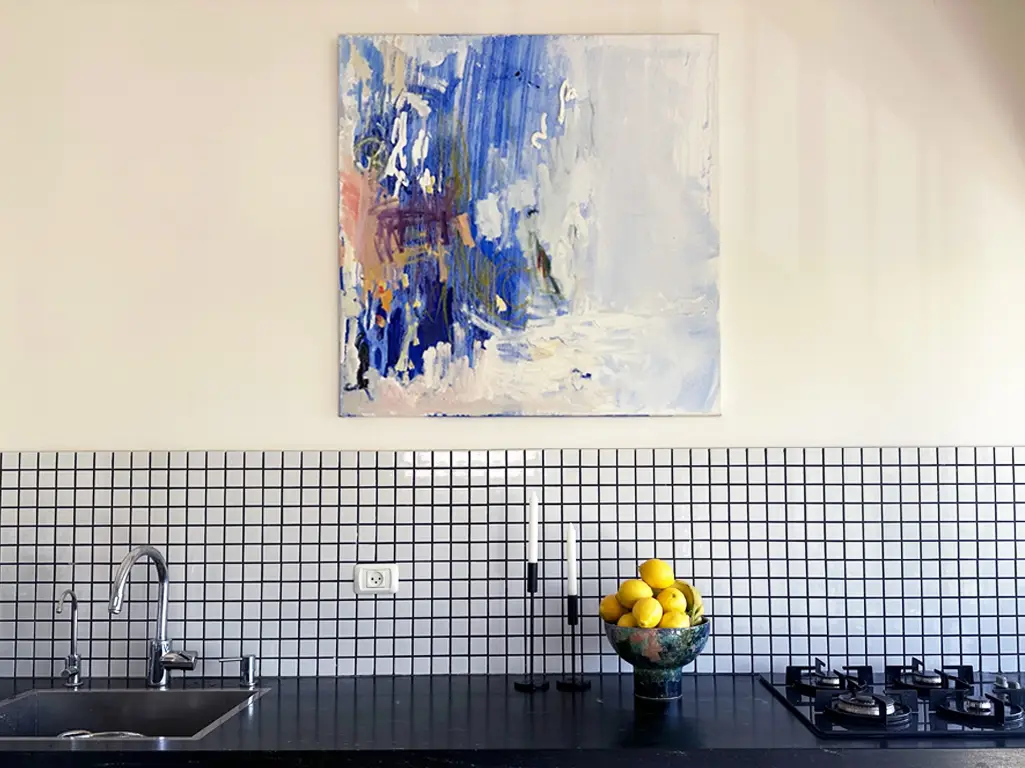
At Home With Ela Cohen: Art and Everyday Life
We love visiting people’s homes — observing, getting inspired, and seeing how art and life intertwine in personal spaces. That’s how we came up with our new series “At Home With…” Today, we’re visiting Ela Cohen, founder of the project Eclectictlv.art and an independent art curator. The question is — does art lives in Ela’s home like it does in her professional world?Ela CohenART curator and found...
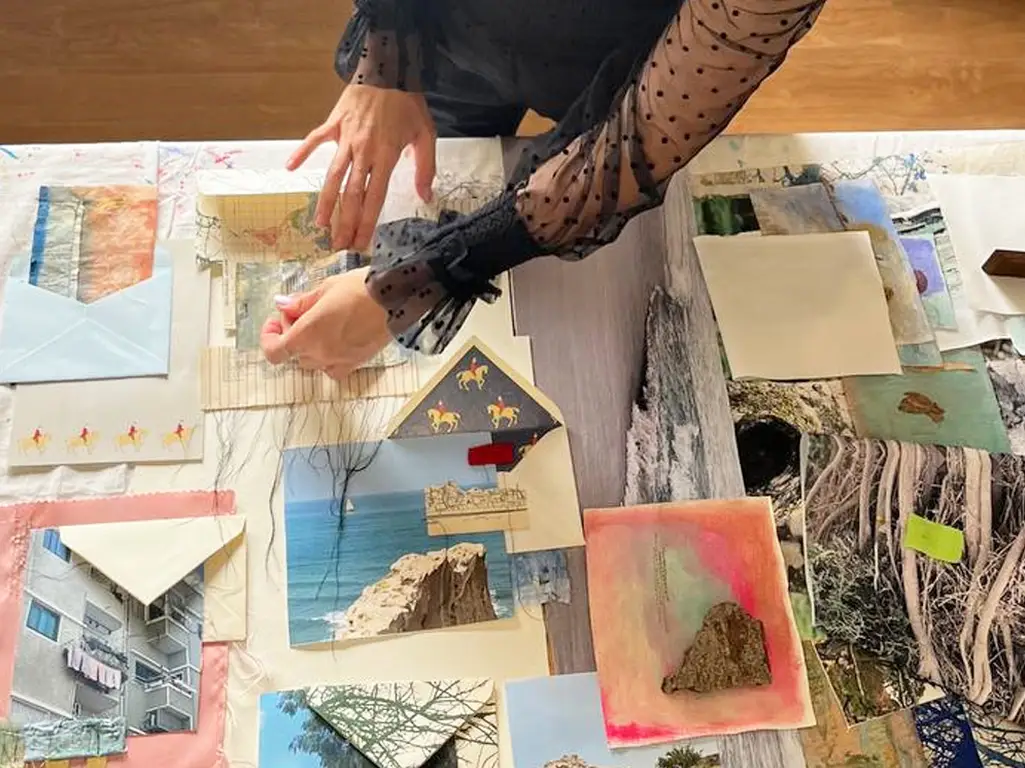
Imperfection Is Magic: Interview with a Textile Artist Tamar Branitzky.
Art comes in so many forms, and every time we meet a new artist, we’re reminded of how narrow our imagination can sometimes be. When we hear the word “artist,” we often picture someone with brushes and a canvas. But today, we’re introducing you to an artist who works with threads, textures, and pieces of fabric — and creates magic with them.Tamar BranitzkyContemporary artist Textile & TextureT...
5 Exhibitions To Visit In April
Alexandra Levin, art historian, art guide and DI art expert prepared her list of local exhibitions and cultural events that she highly recommends to visit in April!
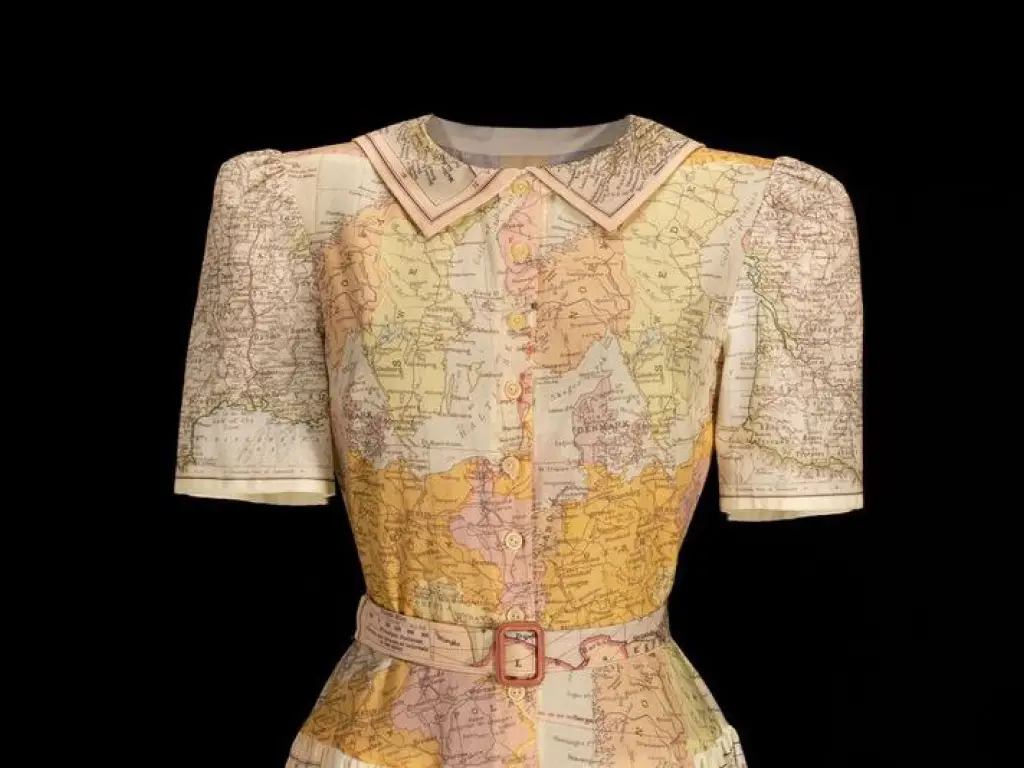
1. Heroines. Fashion and Hope in World War II
Design Museum HolonThe new exhibition, conceived by fashion historian and curator Ya’ara Keydar for the Design Museum Holon, invites visitors on a journey through time, back to...
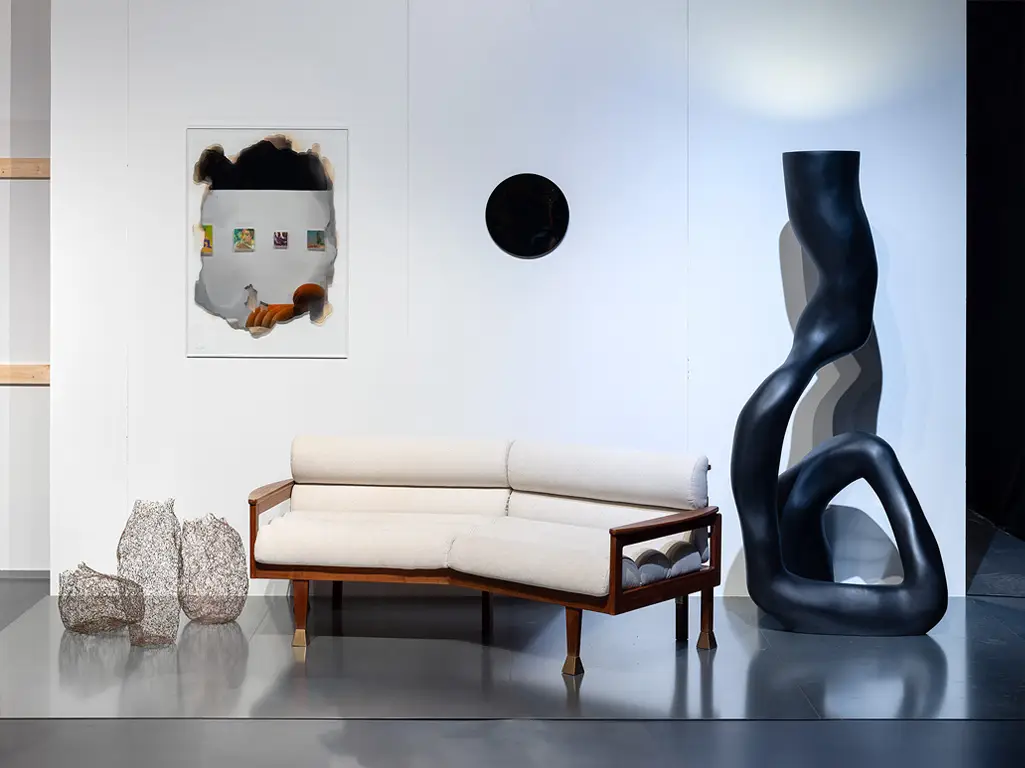
TAAD Overview by Tomer Netanel Levy for DI CATALOGUE Magazine
The first international collectible design fair - TAAD Everyday Wonder, took place in Israel on March 5-11. The exhibition featured unique furniture and art pieces by both well-known and young designers and artists from around the world, including works by Israeli creators. Among the participants was a designer and a co-founder of SALT gallery, Tomer Netanel Levy. In an exclusive interview for our...
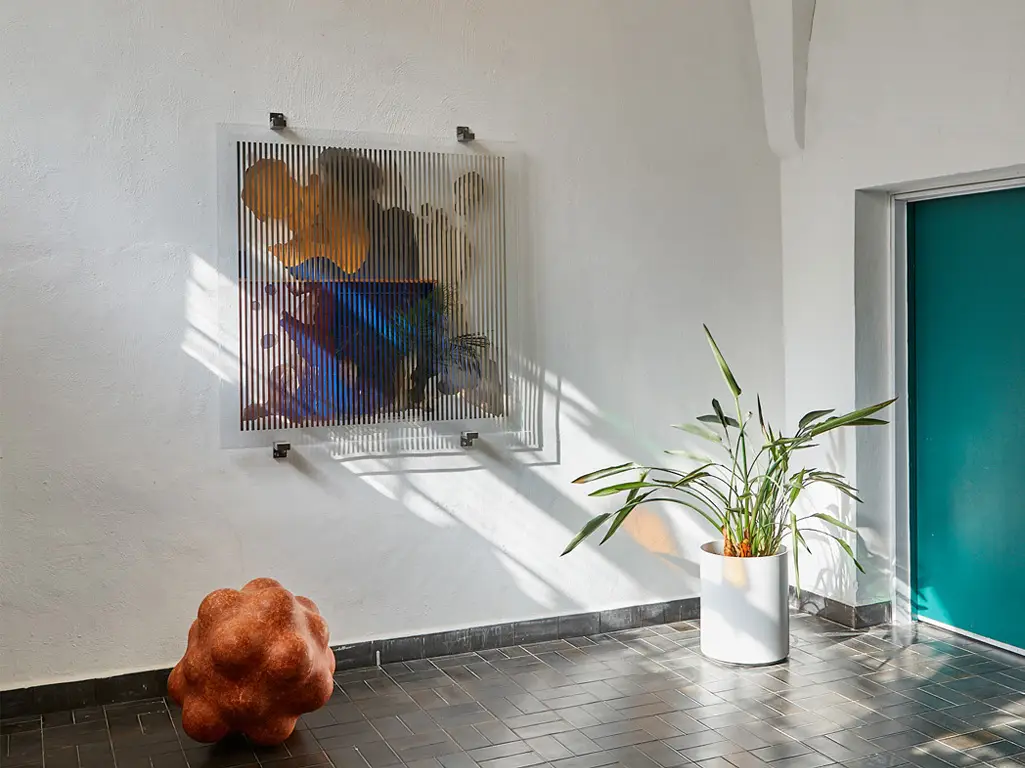
A MIRROR IS A MIRACLE. A conversation with Shay Alfia, an artist
Ahead of the TAAD international collectible design fair in Tel Aviv, we met with an artist and object designer Shay Alfia, whose works are presented at the fair. At SALT gallery, which she co-founded with her partner and product designer Tomer Netanel Levy, we discussed her art, sources of inspiration and collectible design in Israel and worldwide.Tomer Netanel Levy & Shay Alfia, SALT GalleryT...