
MAGAZINE
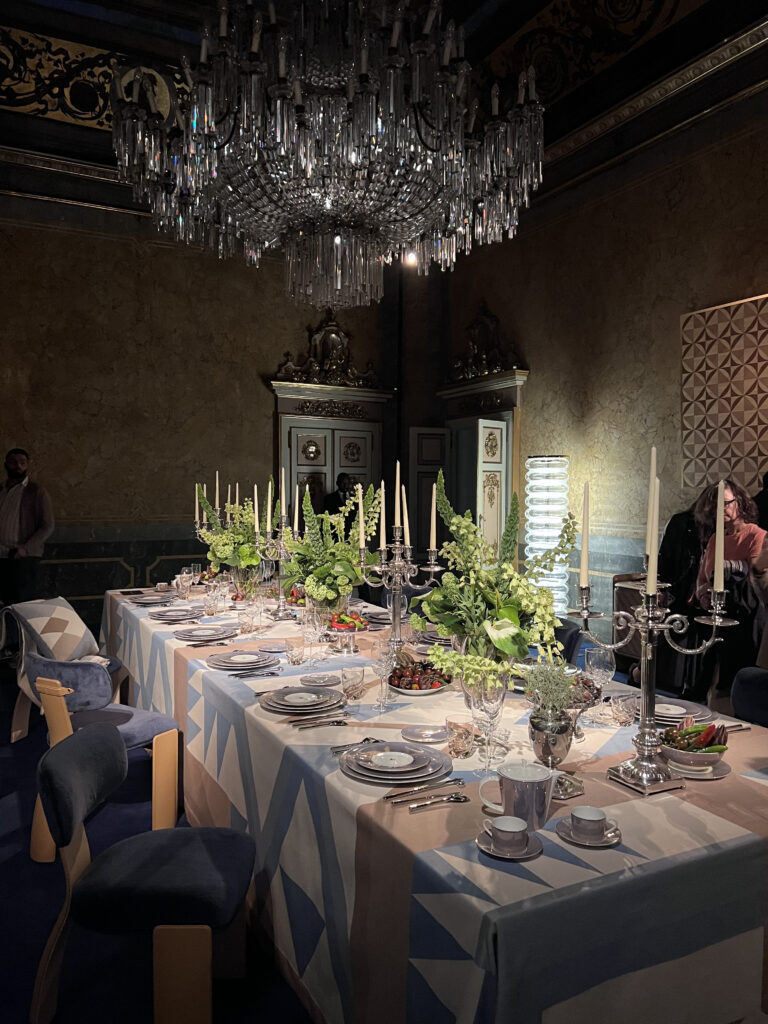
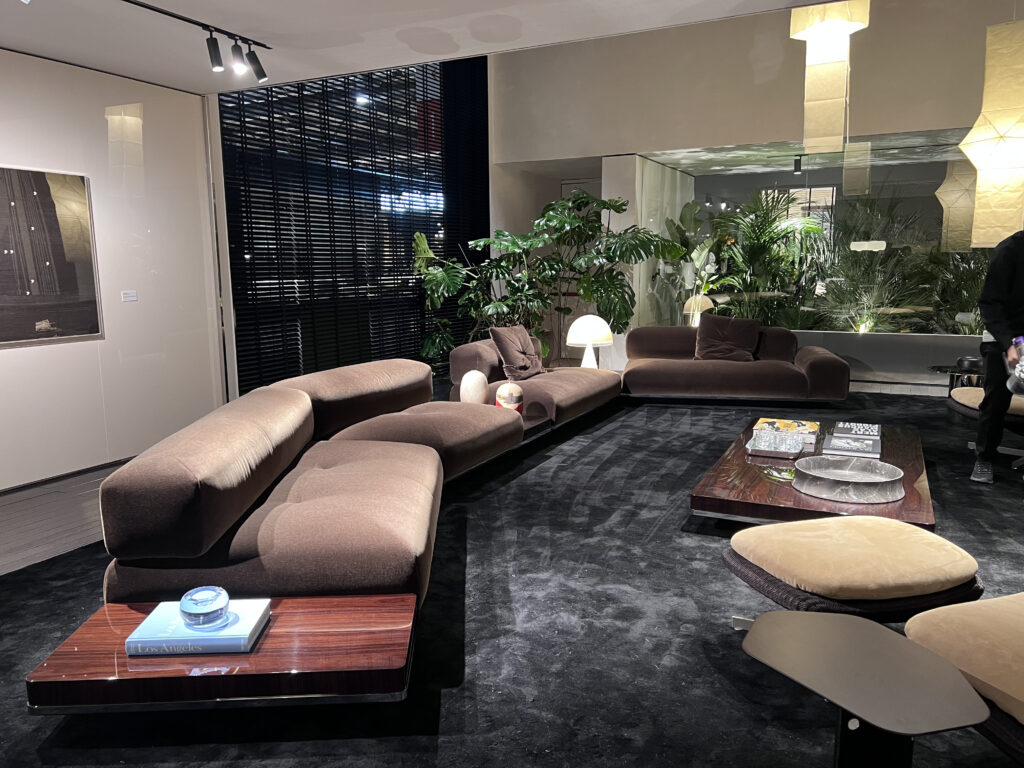
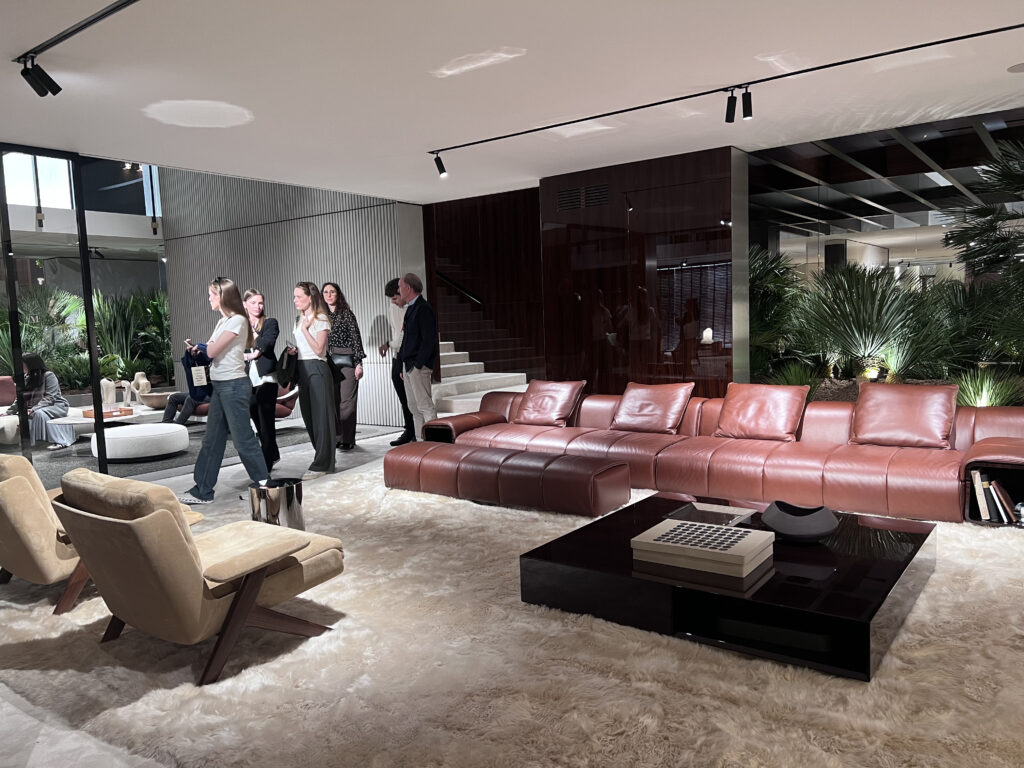
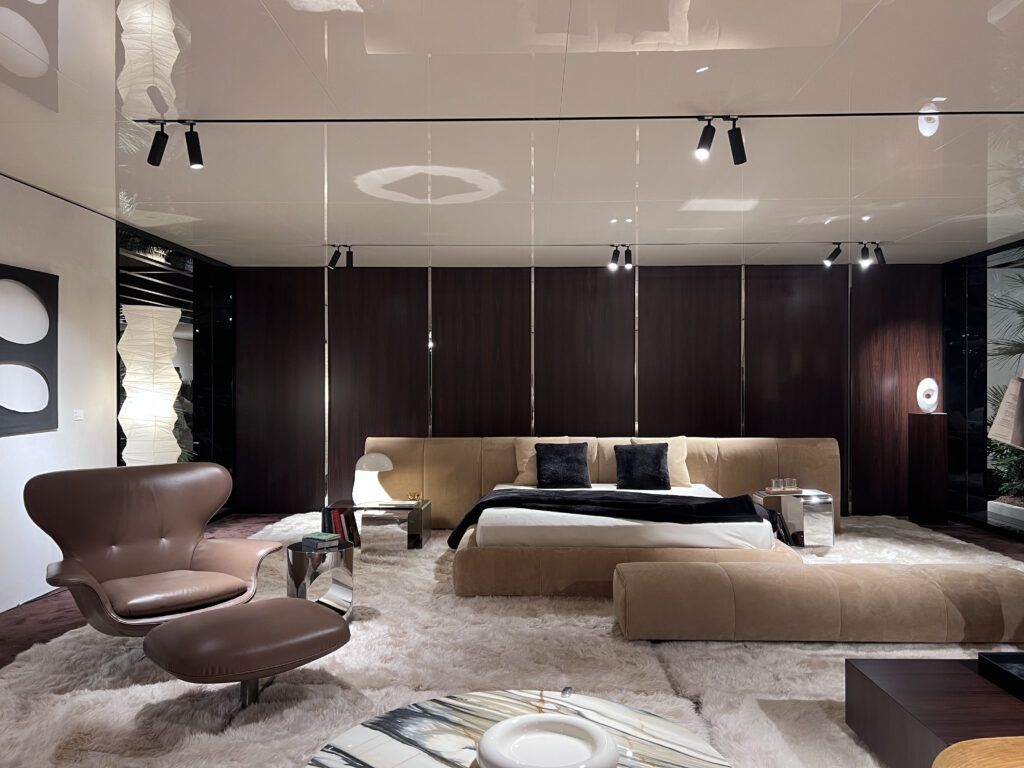
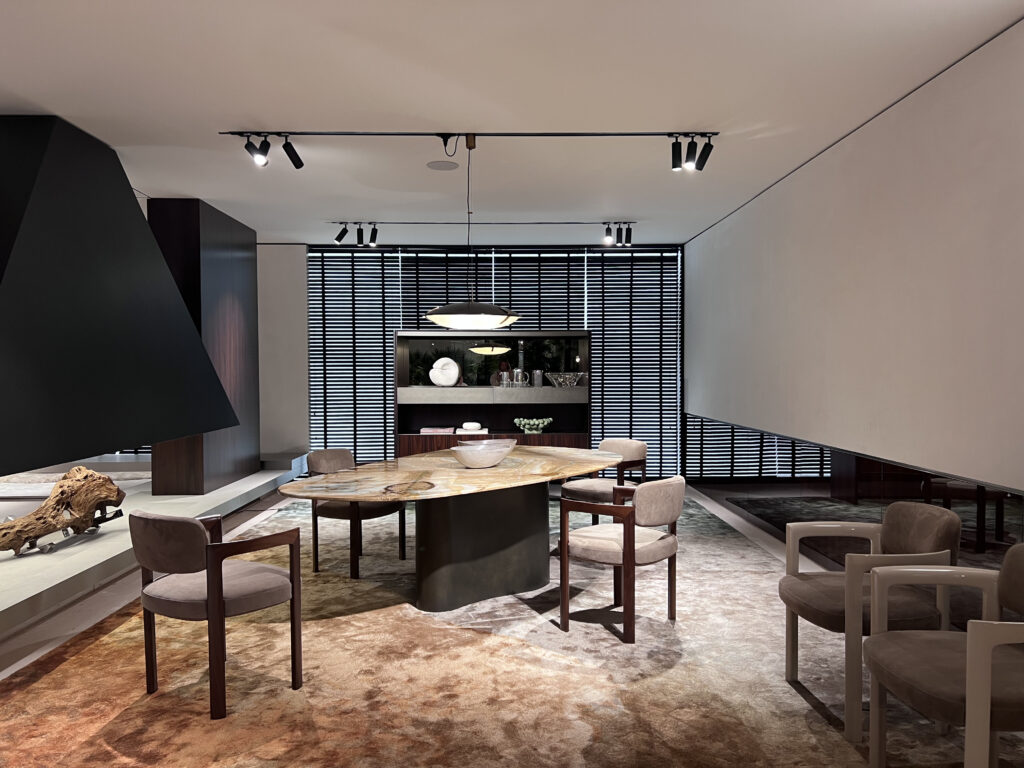
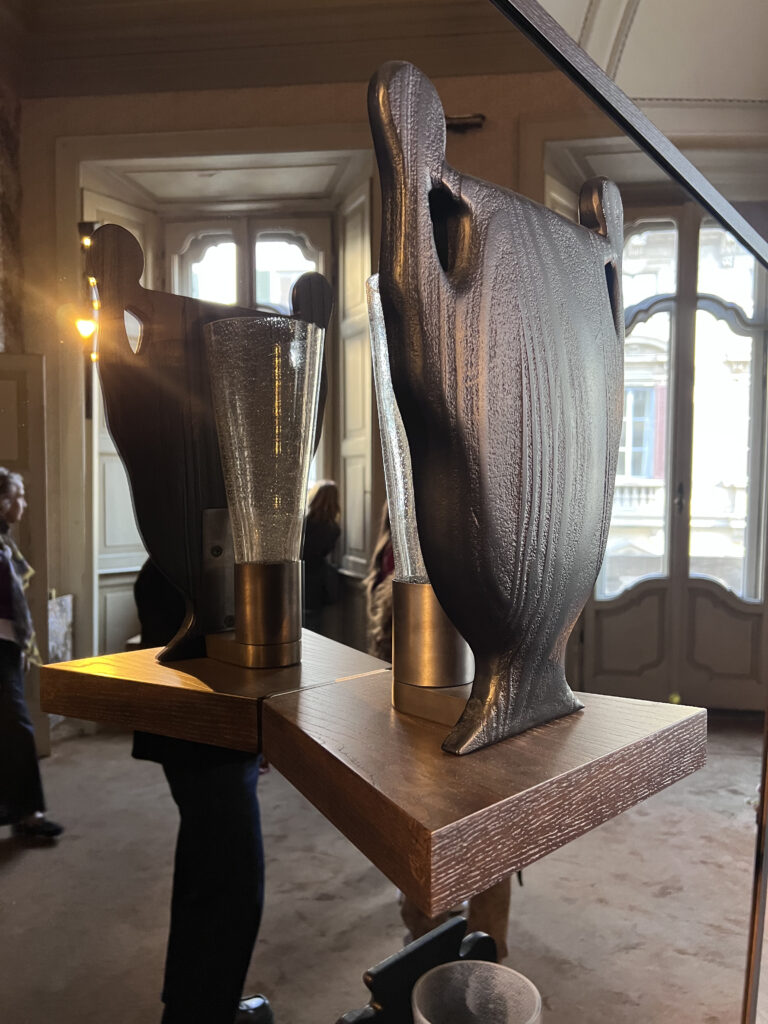
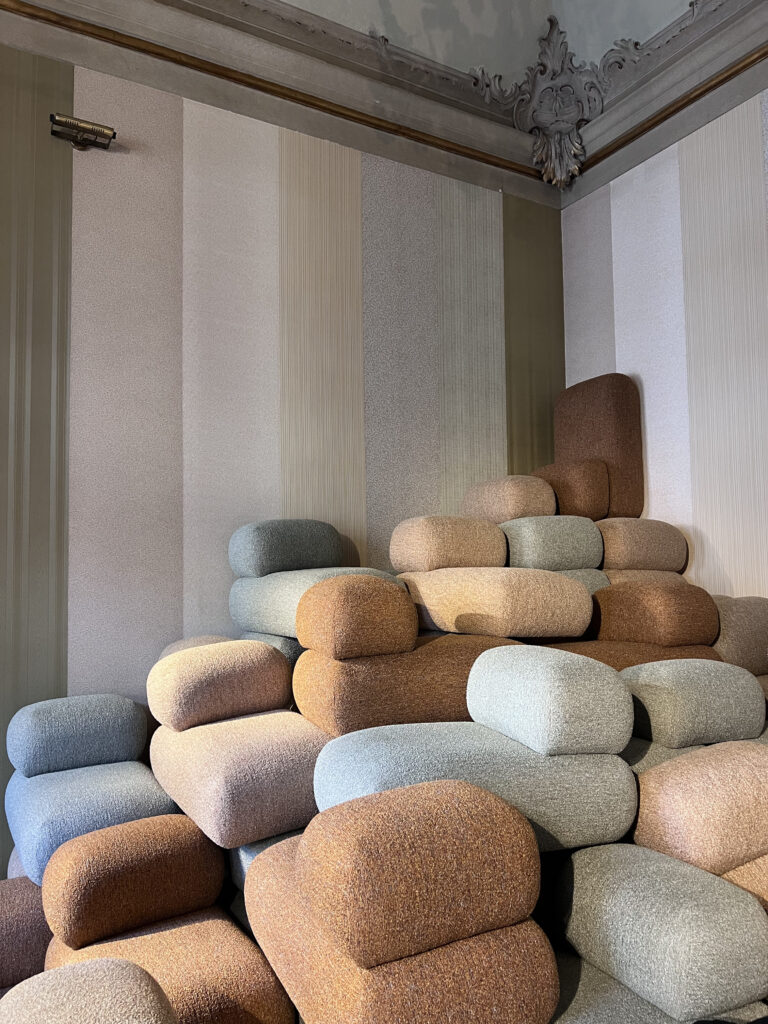
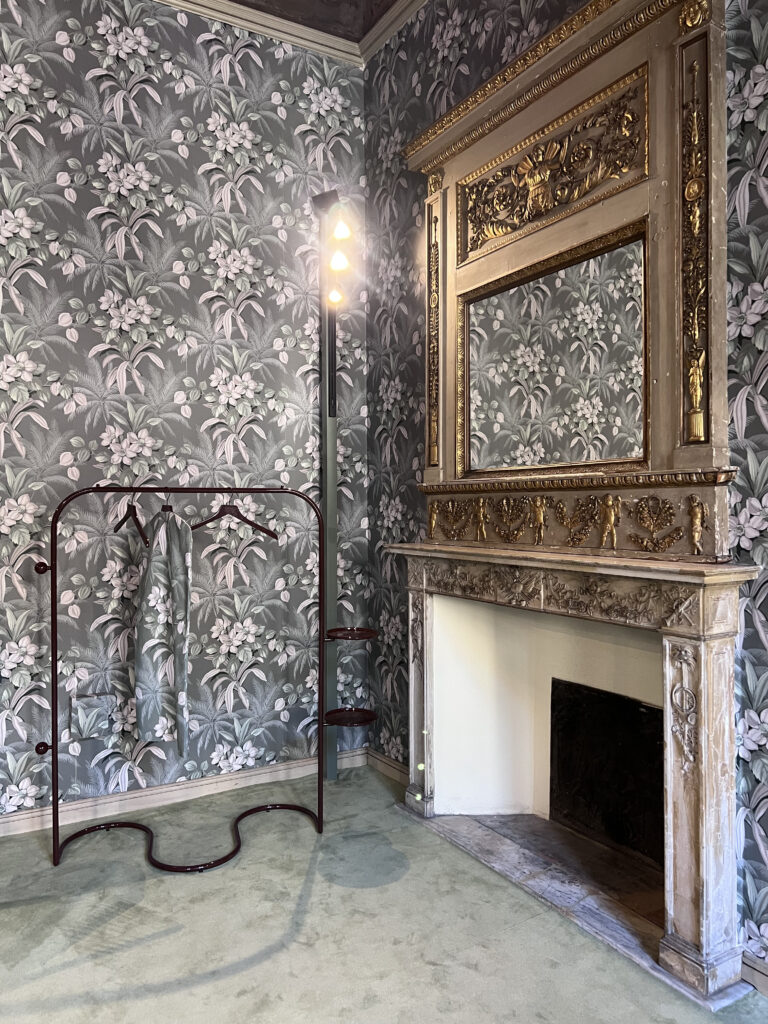
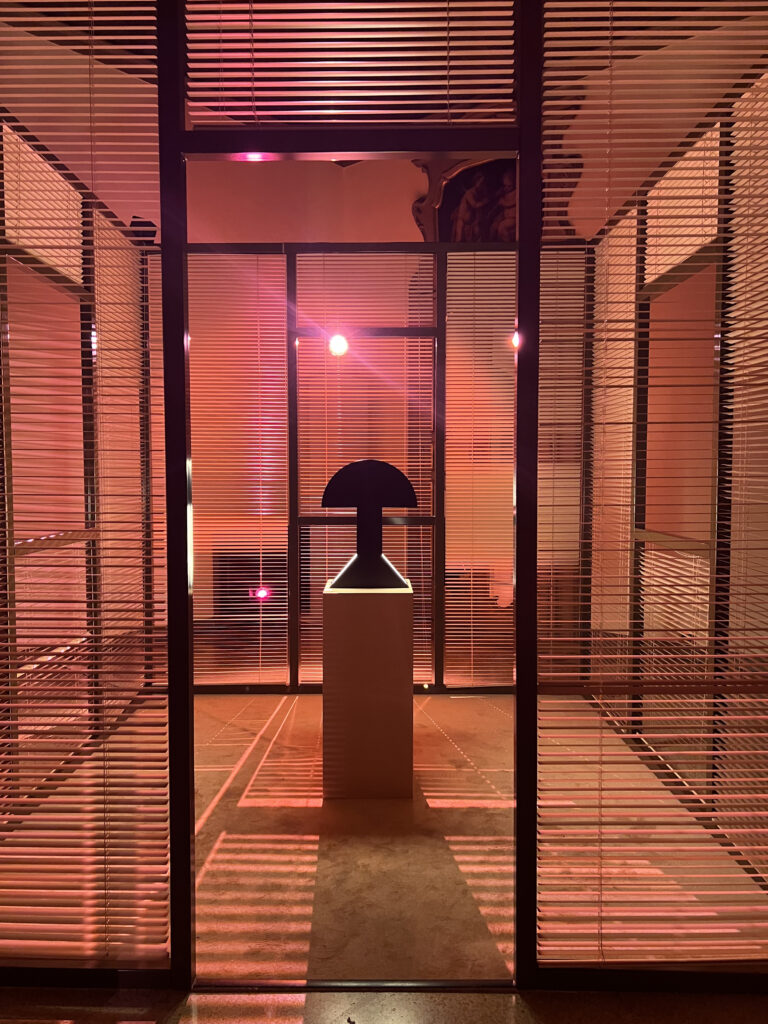
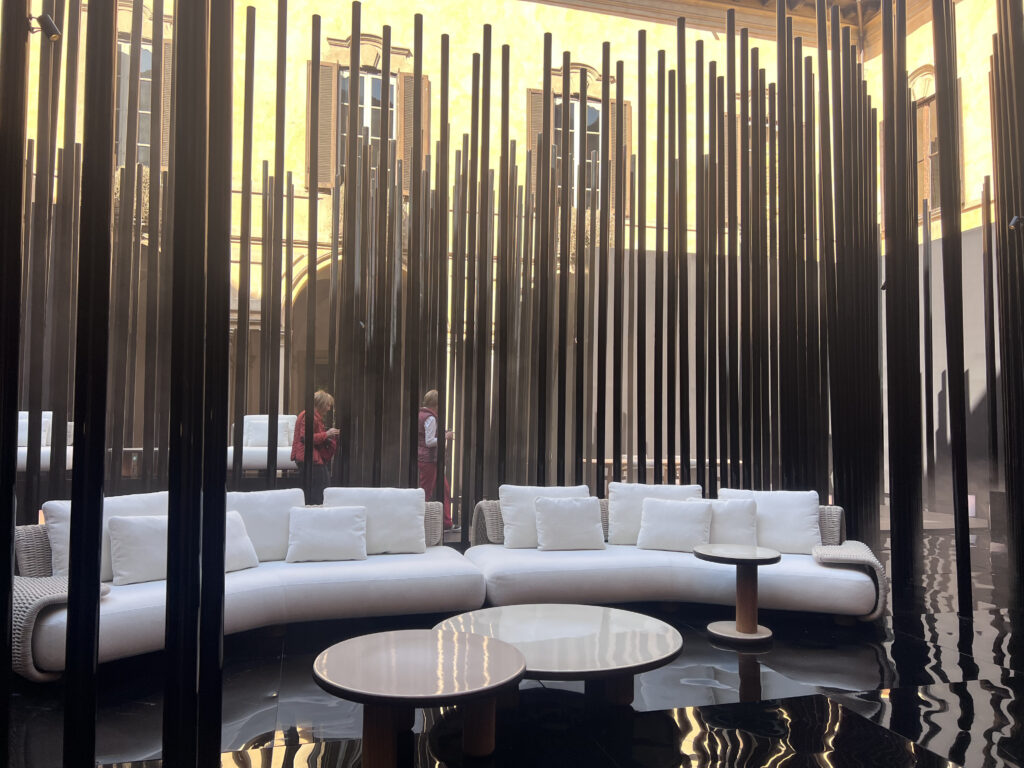
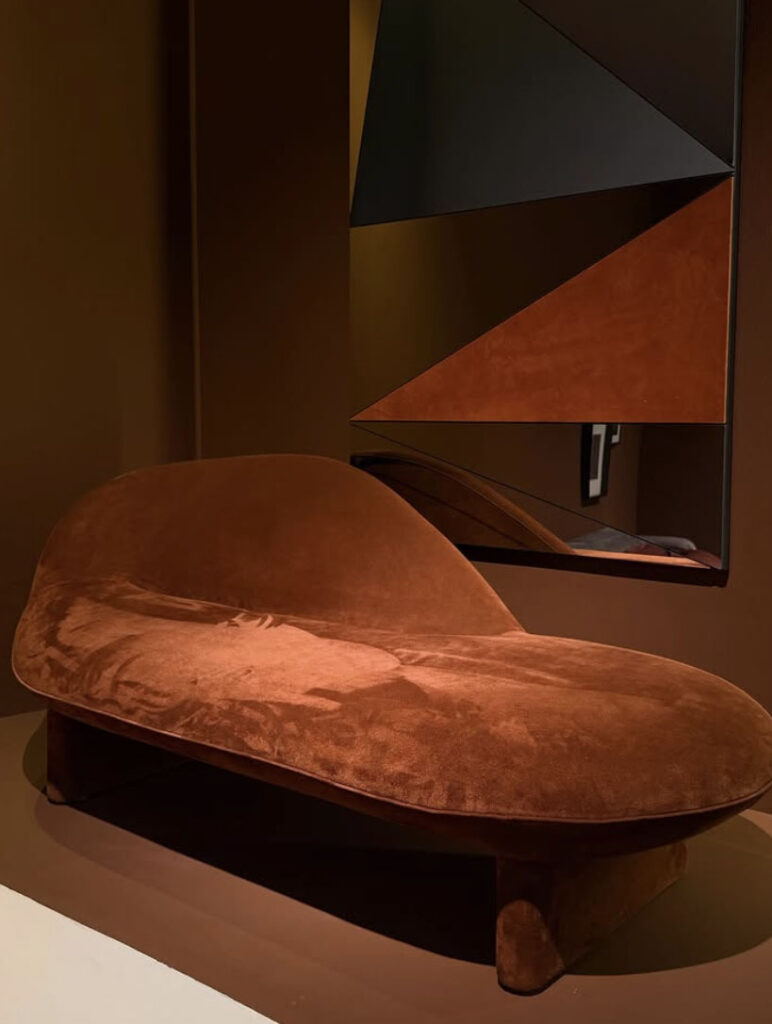
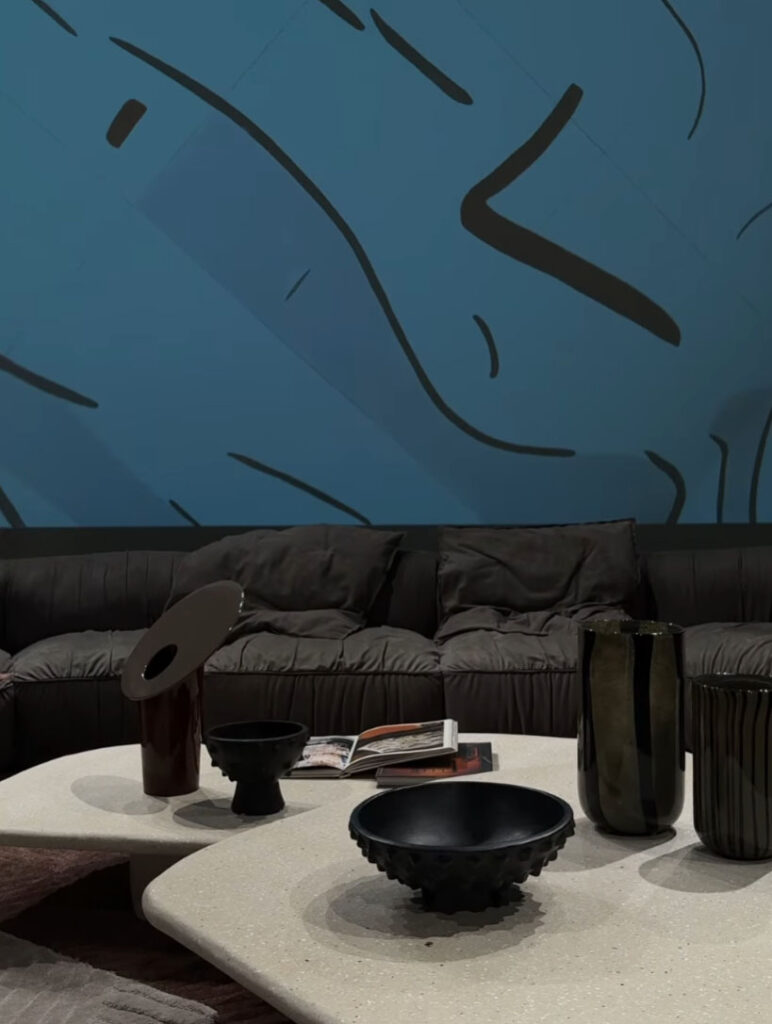
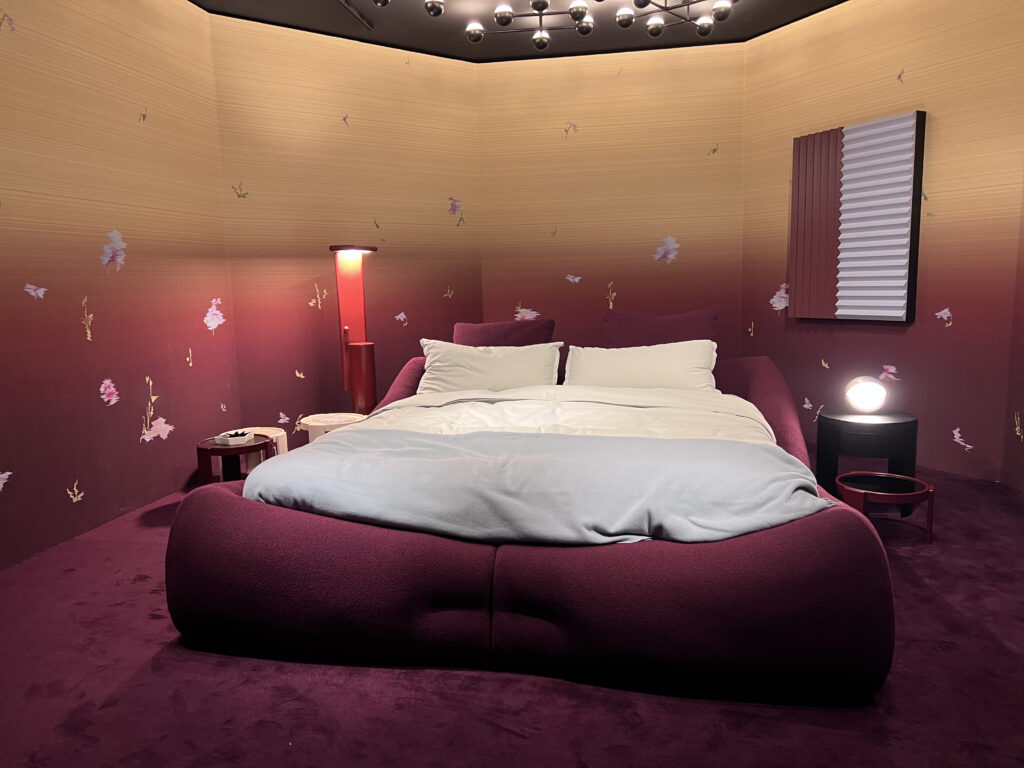
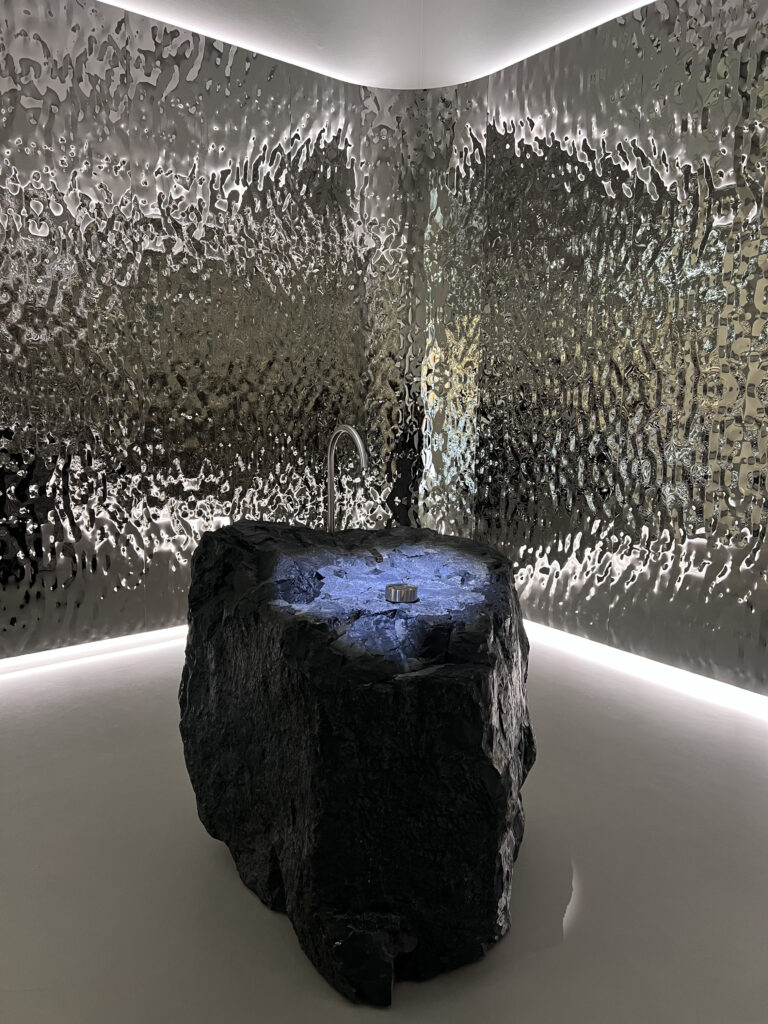
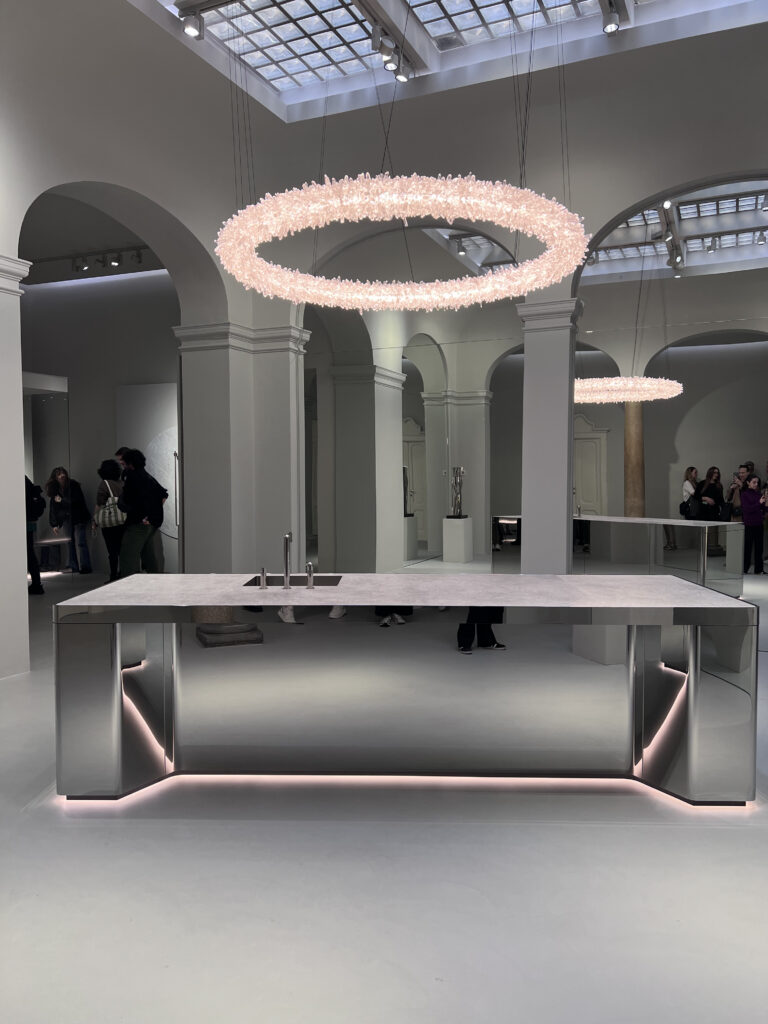
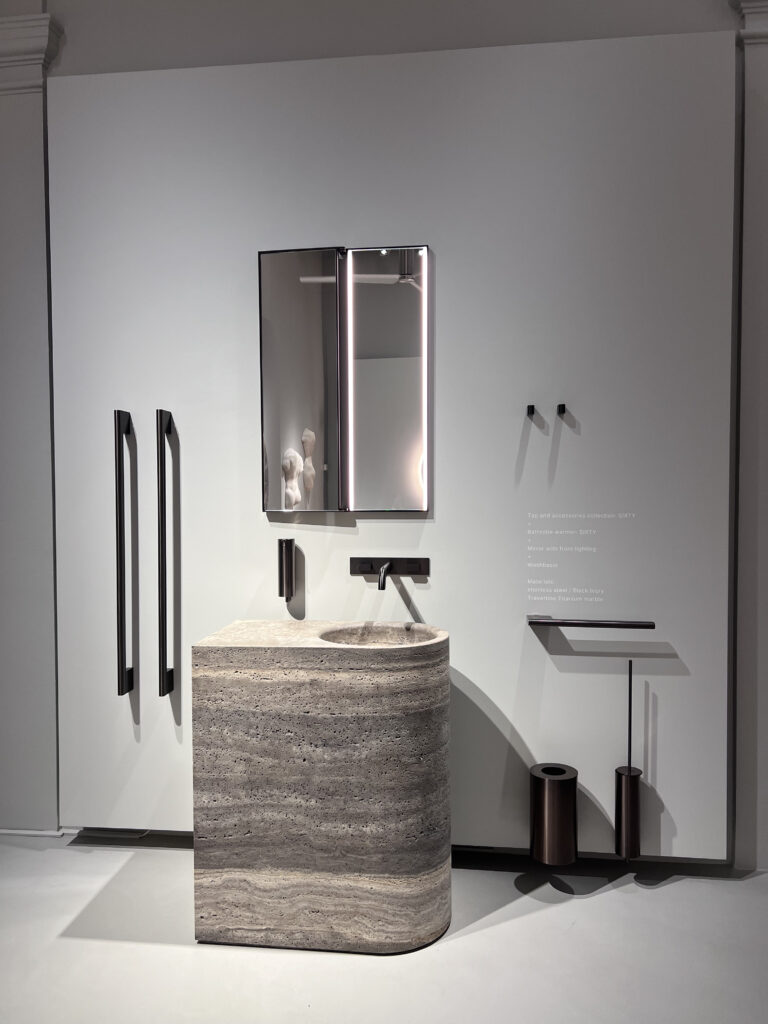
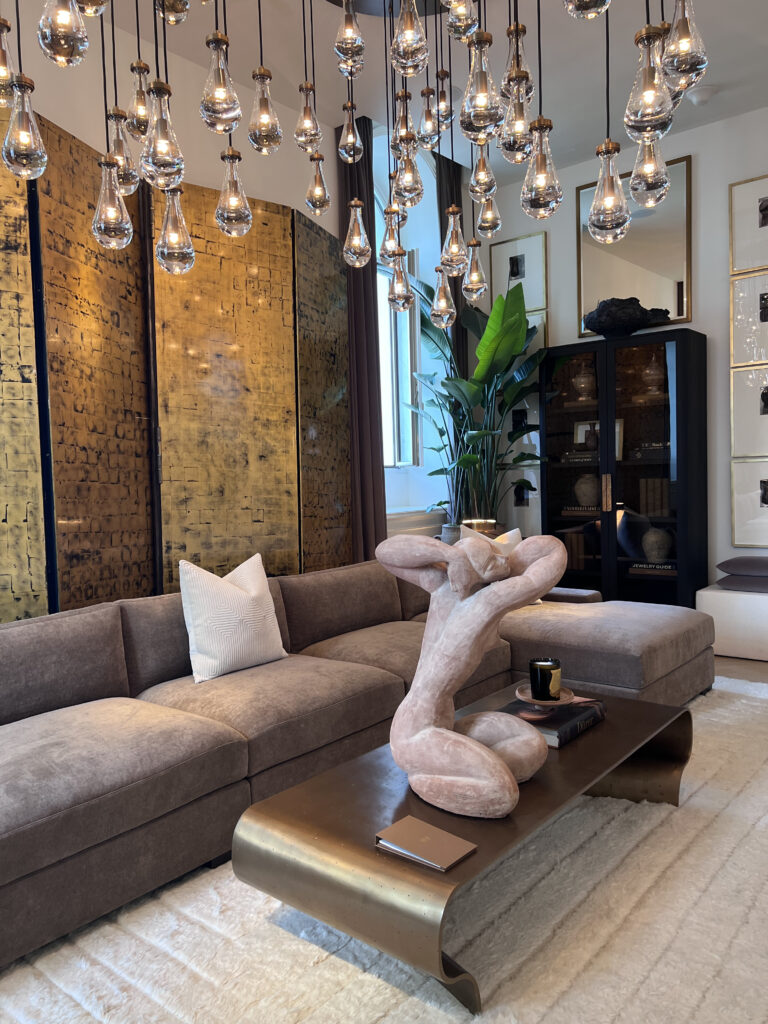
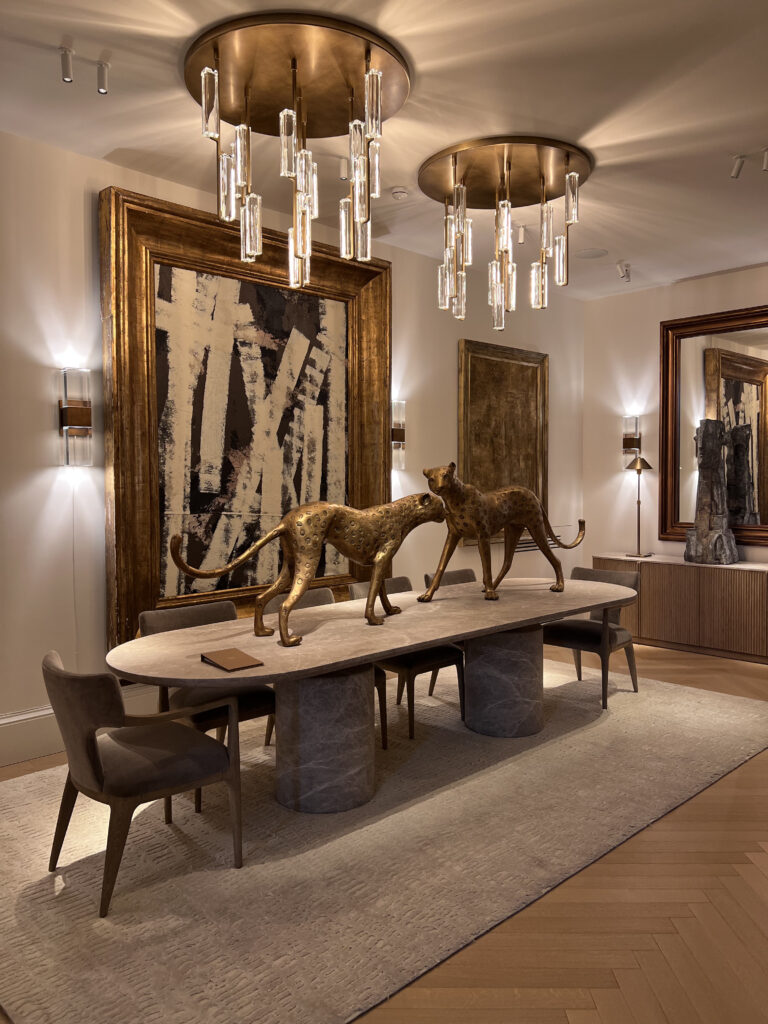
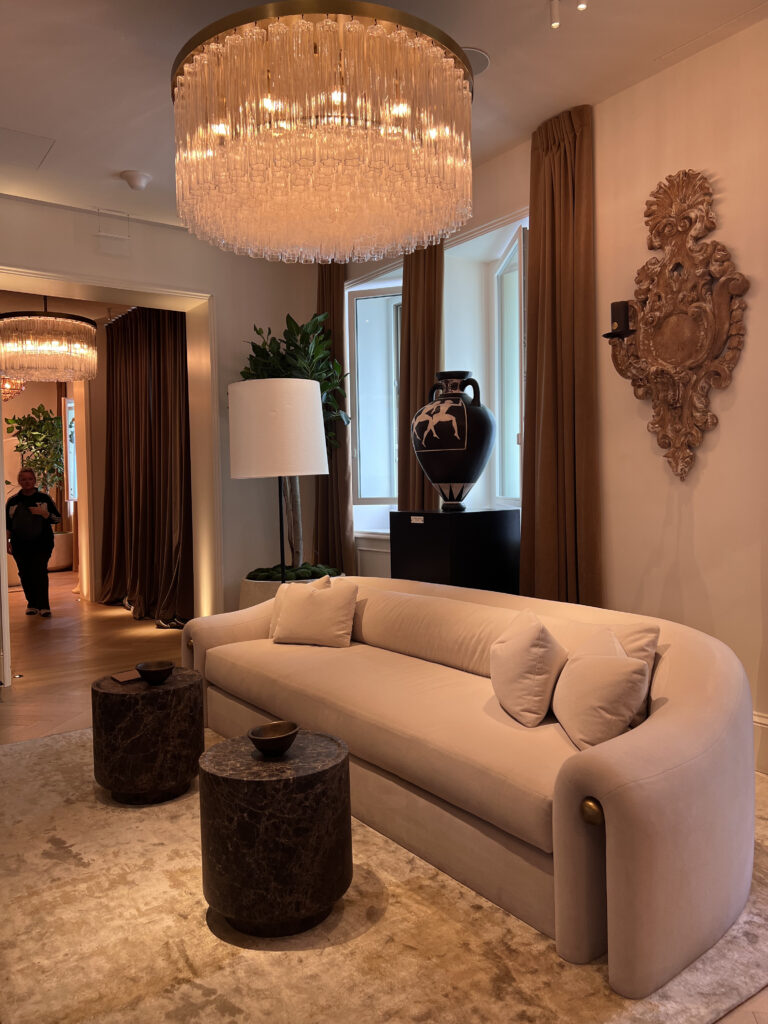
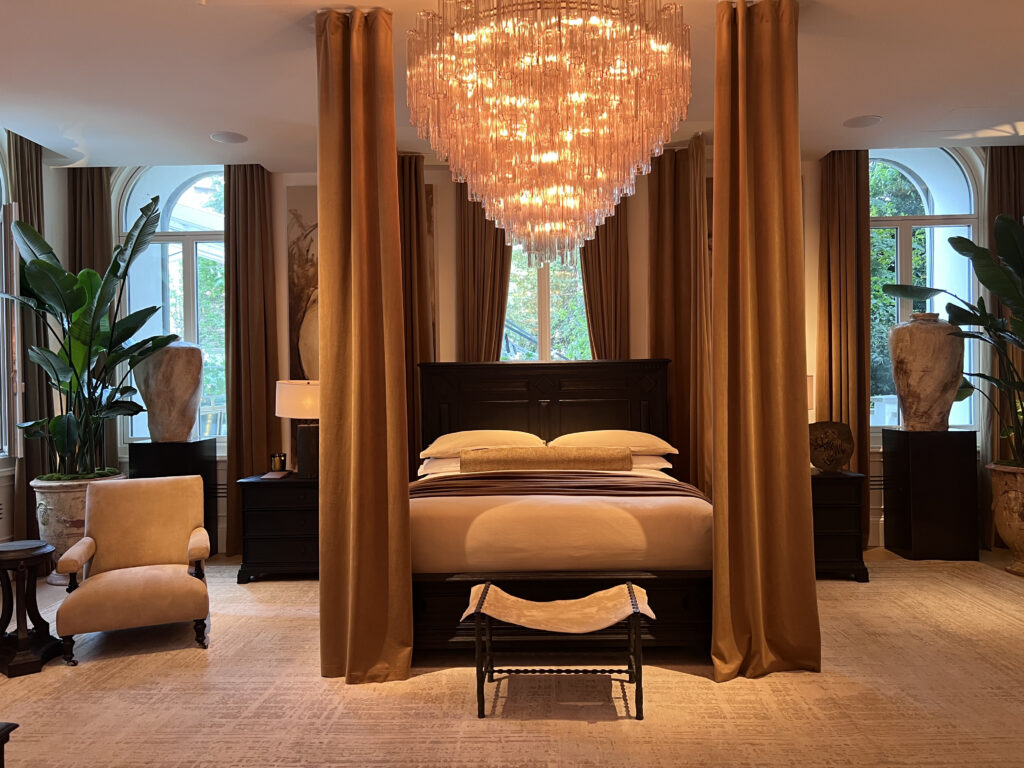
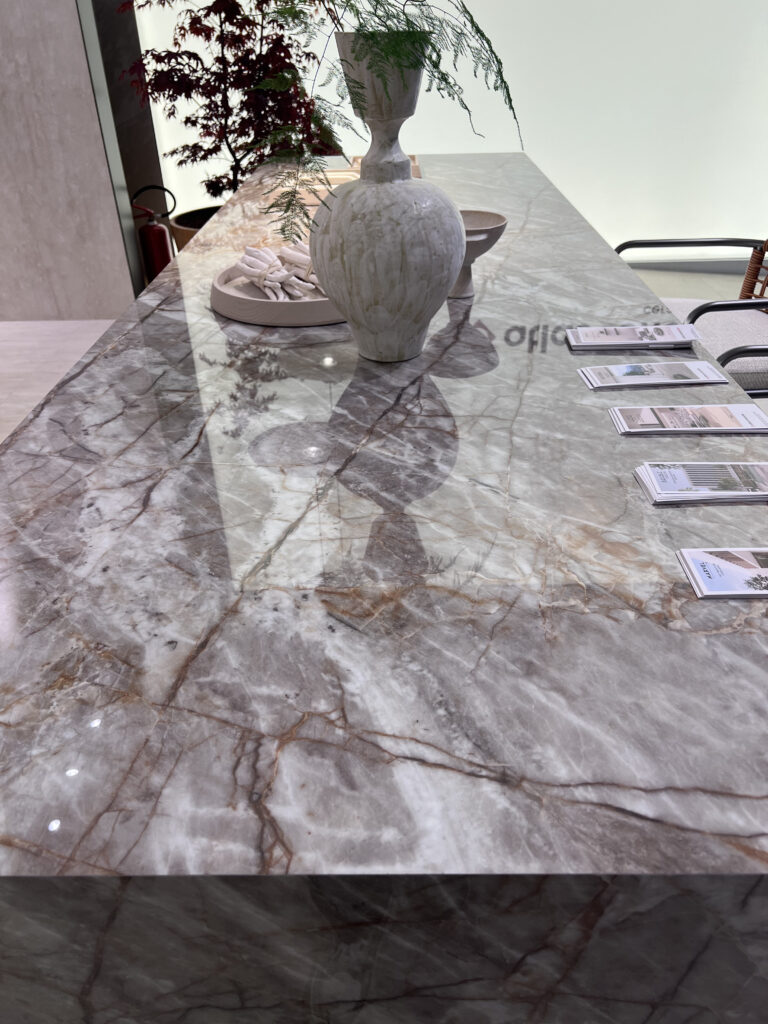
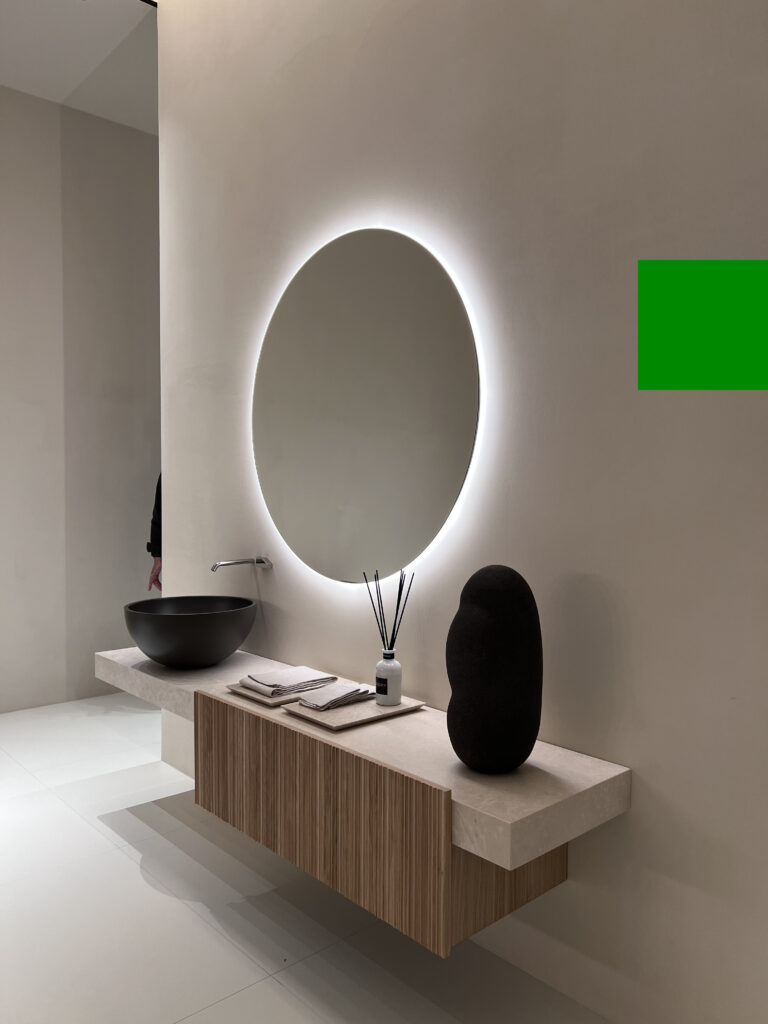
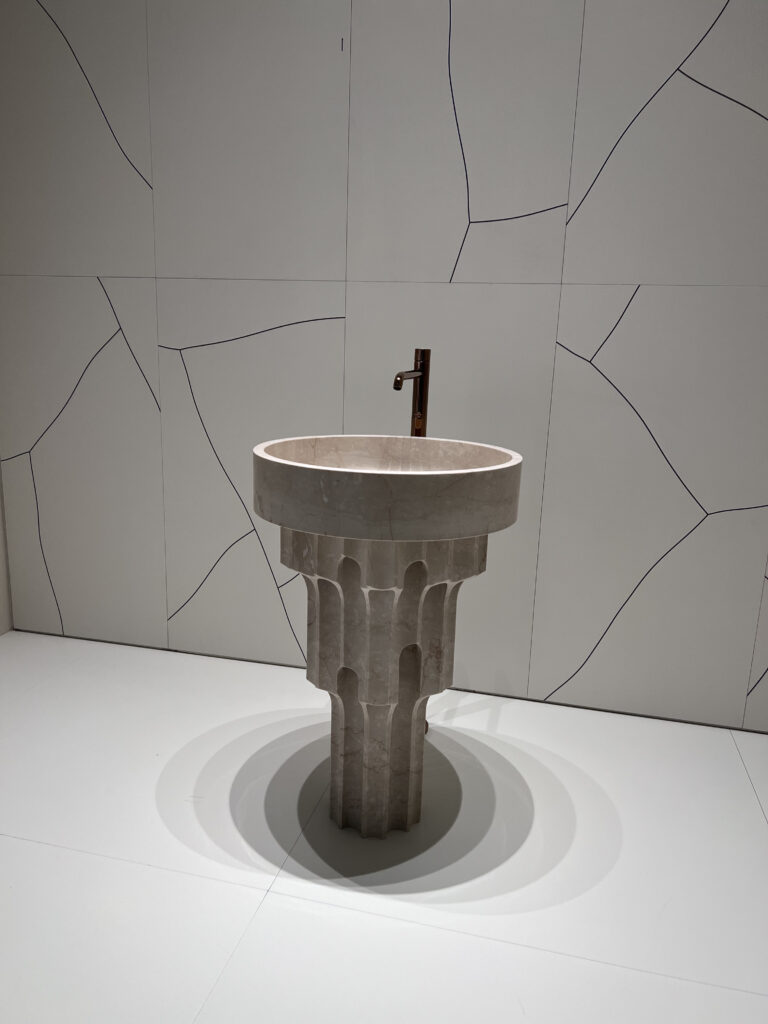
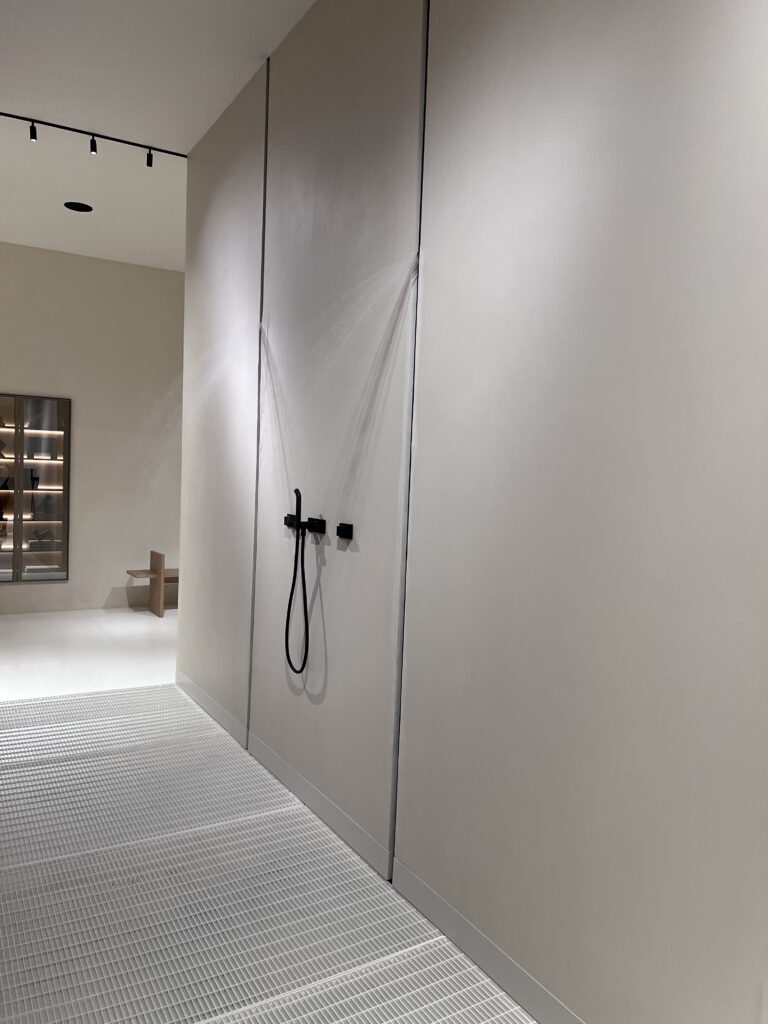
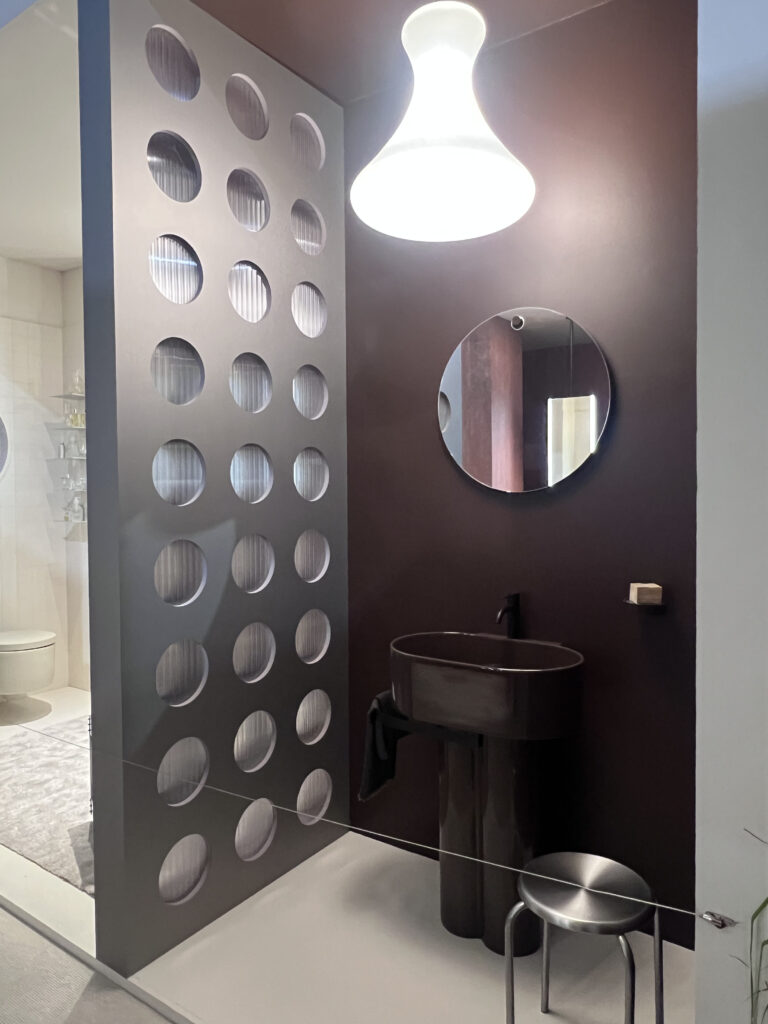
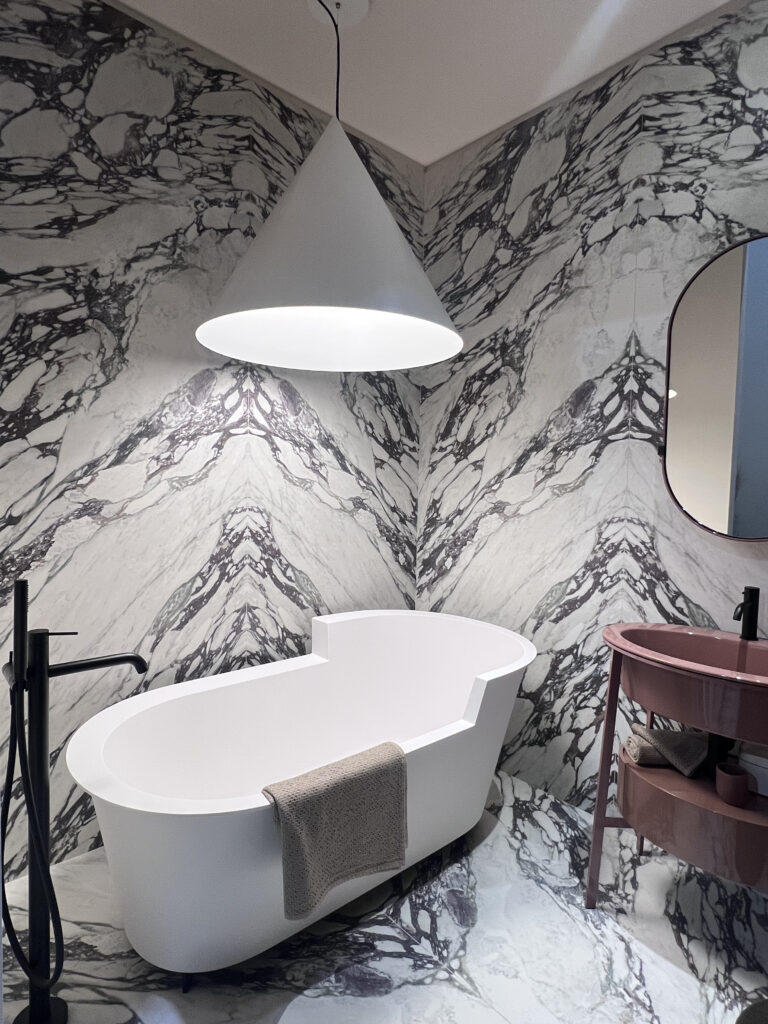
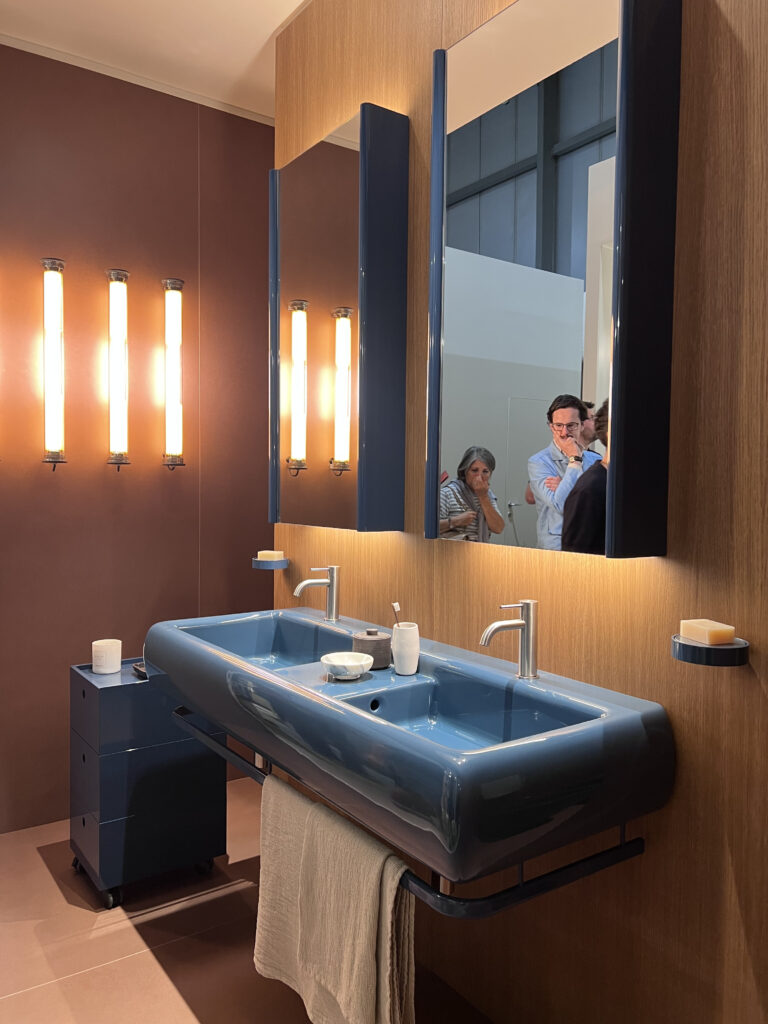
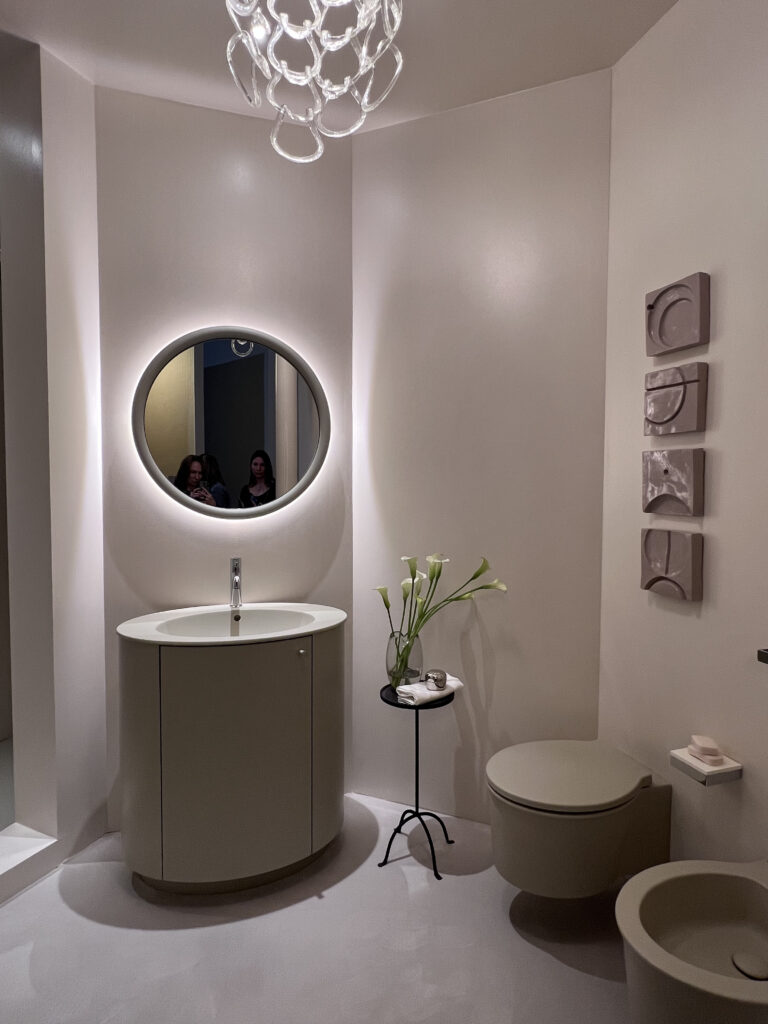
Salone del Mobile Milano 2026: A Space That Changes the Way We Feel

Related Posts
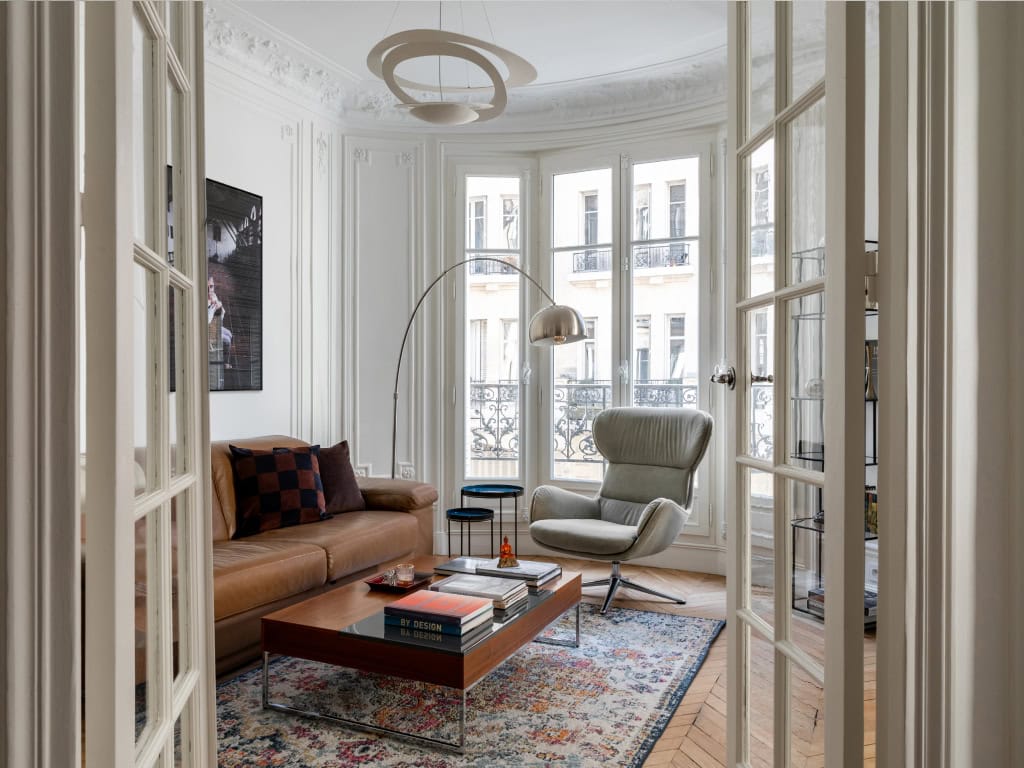
Old Bones, New Light. A Parisian Apartment Designed by Maria Beregovoy

A light and sophisticated Paris apartment becomes a reflection of its owner’s creative spirit in this latest project by interior designer Maria Beregovoy. With projects realised across Russia, Israel and France, the designer brings together an international perspective and a sensitive approach to creating deeply personal interiors.
Created for a journalist with a passion for travel, music, books a...
“The Circle”: What the New Material of the Design World Looks Like
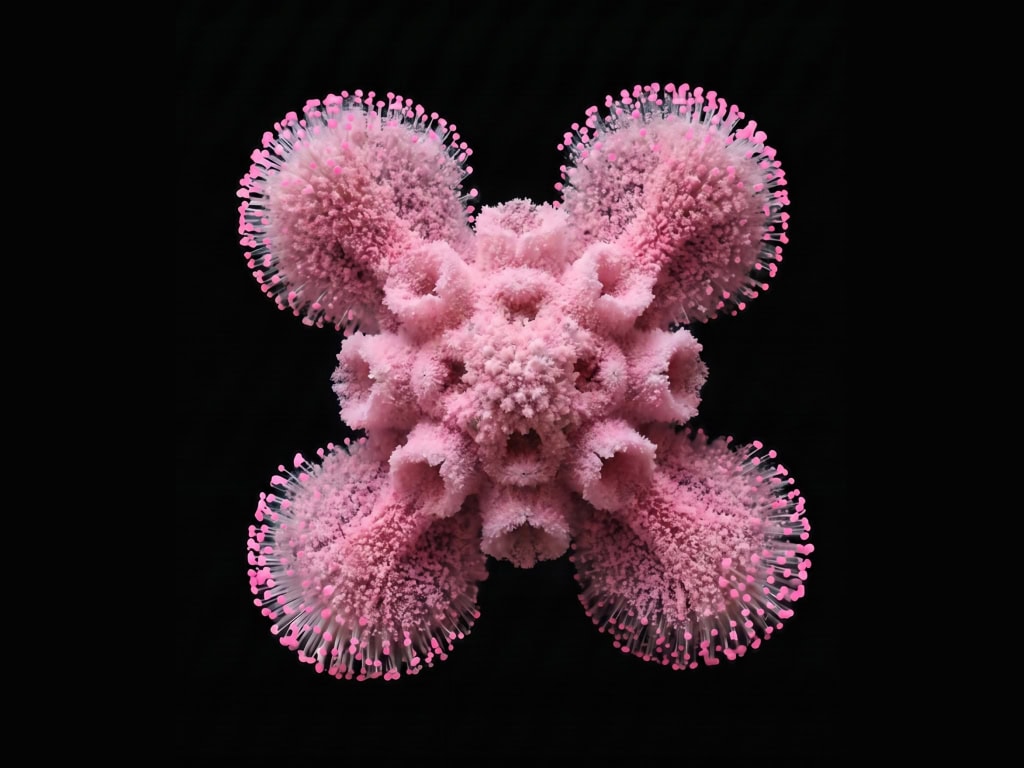
A dress grown from its own root system. A car that folds itself smaller to move through a crowded city. A machine that pulls drinking water out of the air. An eight-meter wooden whale shark, suspended mid-swim in a gallery. These are not props from a speculative film - they are exhibits, and this September they will fill five spaces inside Design Museum Holon.
“The Circle,” opening to the public o...
Life Is Short Even When It Is Long: A Space to Pause
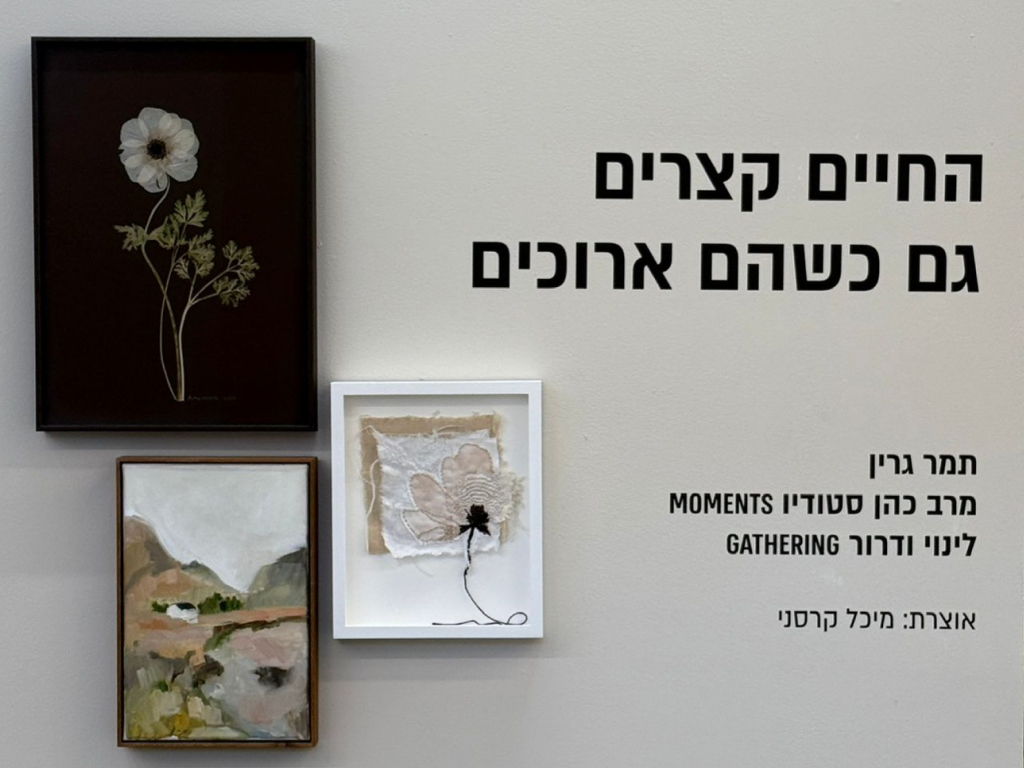
In a noisy and fast-paced world, where pressure and overload have become inseparable parts of everyday life, the longing for spaces of stillness, slowness, and reflection grows ever stronger. The way we look at our home and our surroundings has shifted, and we find ourselves searching for anchors of stability, comfort, and belonging.Life Is Short Even When It Is Long is a group exhibition presente...
Threads of Memory, Threads of Hope. A Conversation with Curator Yaara Keydar
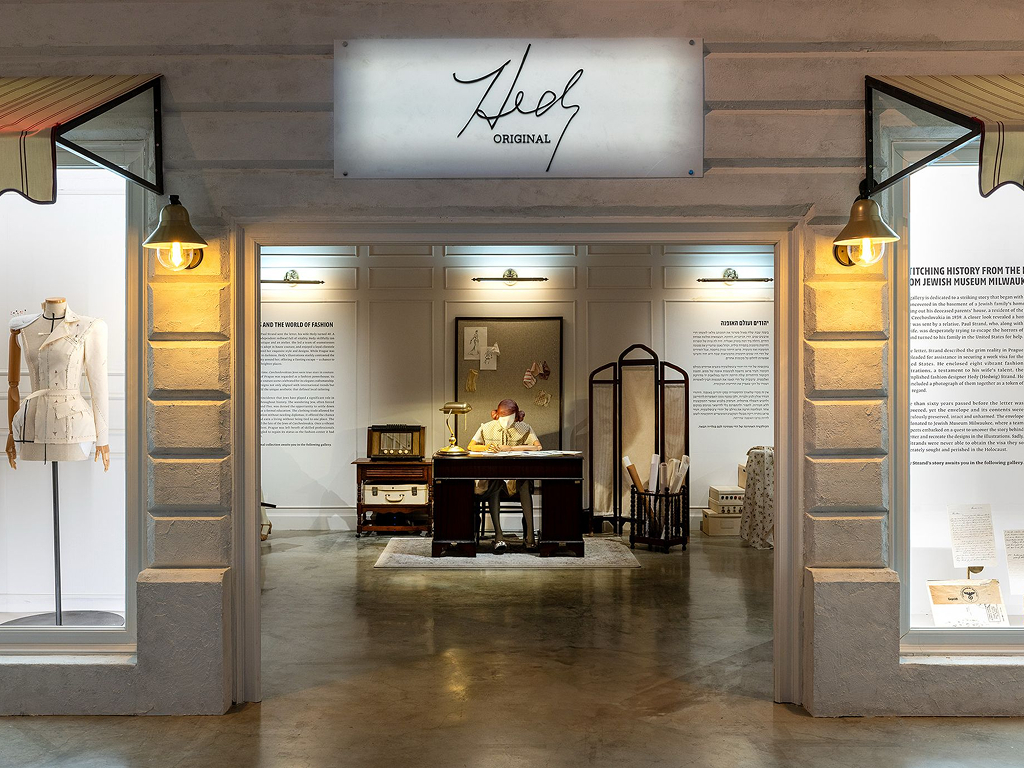
A bra sewn from a coat lining inside a concentration camp. A wedding dress made from a military parachute. A thimble carried through unimaginable loss. The exhibition at Design Museum Holon tells the story of fashion not as luxury or aesthetics, but as a tool of survival, dignity, identity, and hope.We spoke with curator and a fashion historian Dr. Yaara Keydar about the exhibition's creation, the...
Venice Biennale 2026: In Search of Authenticity
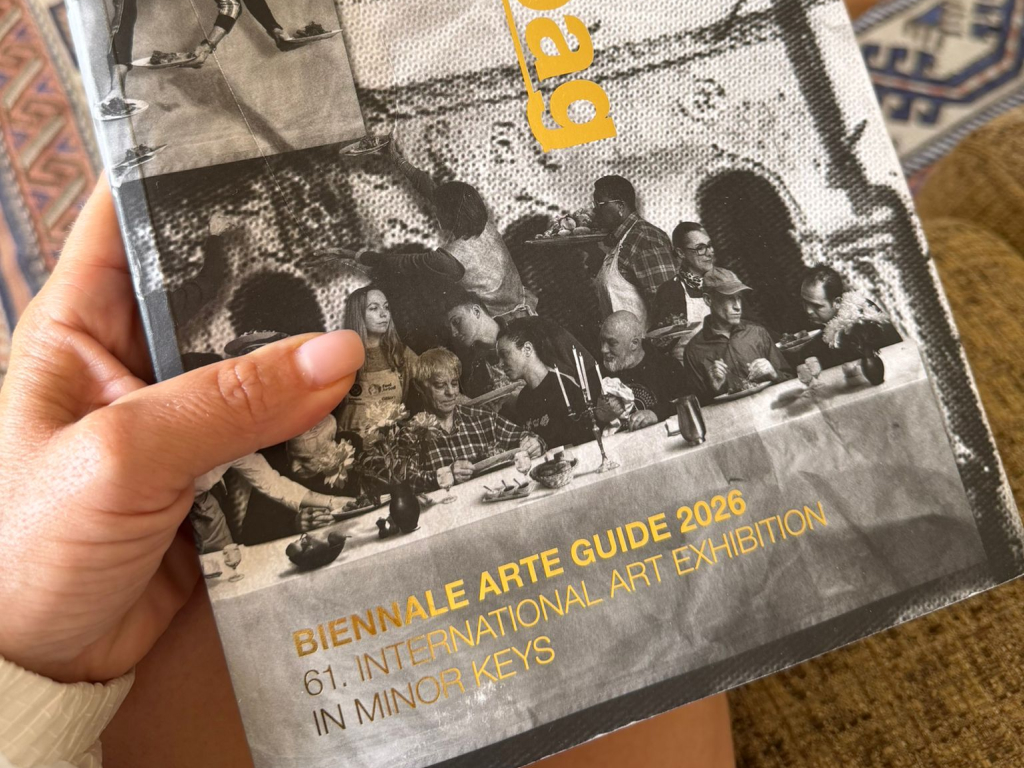
On May 9, the 61st Venice Biennale opened to the public — one of the most important global events in art and architecture, bringing together 99 participating countries and more than 110 artists across the main exhibition and national pavilions. This year, Israel is once again among the participants, continuing its presence within the international cultural dialogue.We spoke with independent art cu...
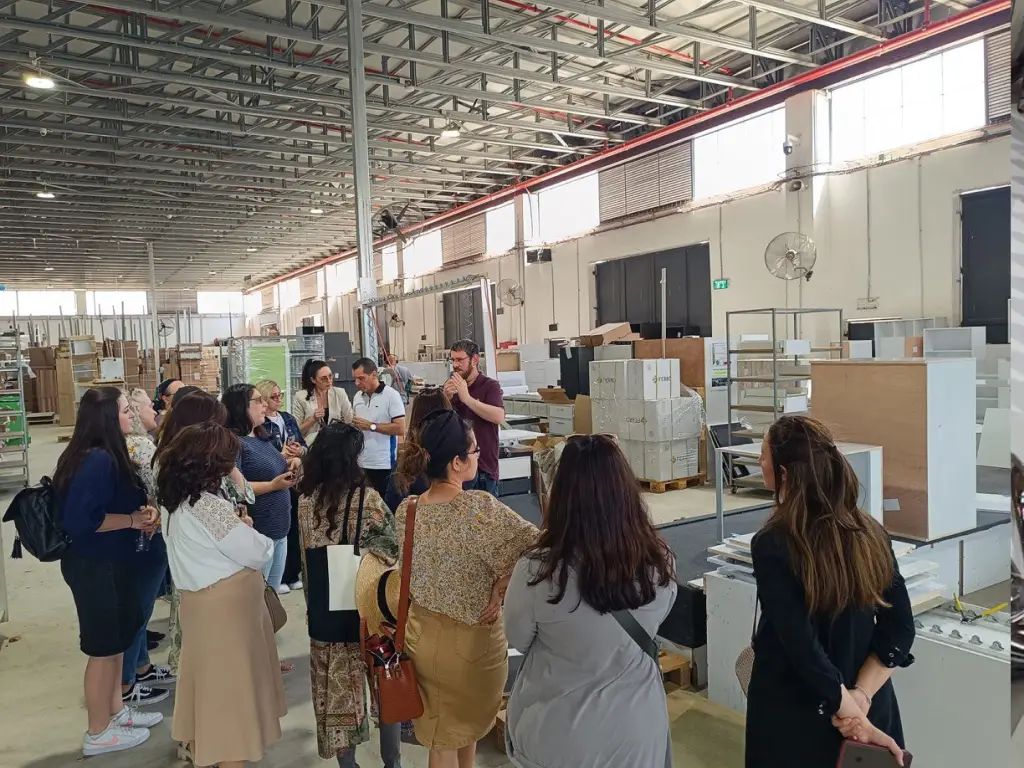
Between Inches and Centimeters: Designing Across Cultures
Growing up between American and Israeli worlds, interior designer, lector and founder of community for English speaking interior designers in Israel Yael Steinberger has built her practice on bridging gaps in cultural and design standards and expectations, helping English speaking clients and interior designers to navigate in Israel. In our conversation with Yael we spoke about differences in stan...
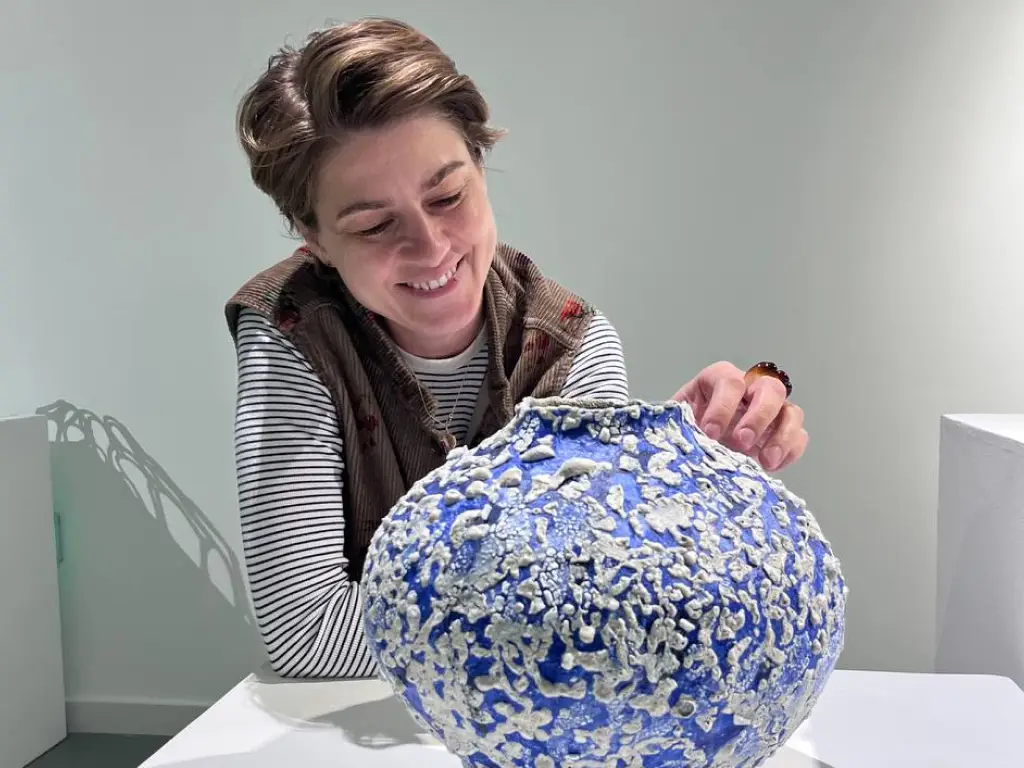
Liza Fedotova – interview with the artist
Liza Fedotova is a ceramic artist who came to ceramics from painting and has been working with clay for over seven years.Originally from Moscow, she moved to Israel three years ago, where her practice continued to grow and evolve. Her work is inspired by constructivism and Bauhaus, clean geometry, and balanced, well-defined forms. Liza works exclusively with natural materials, creating each piece ...
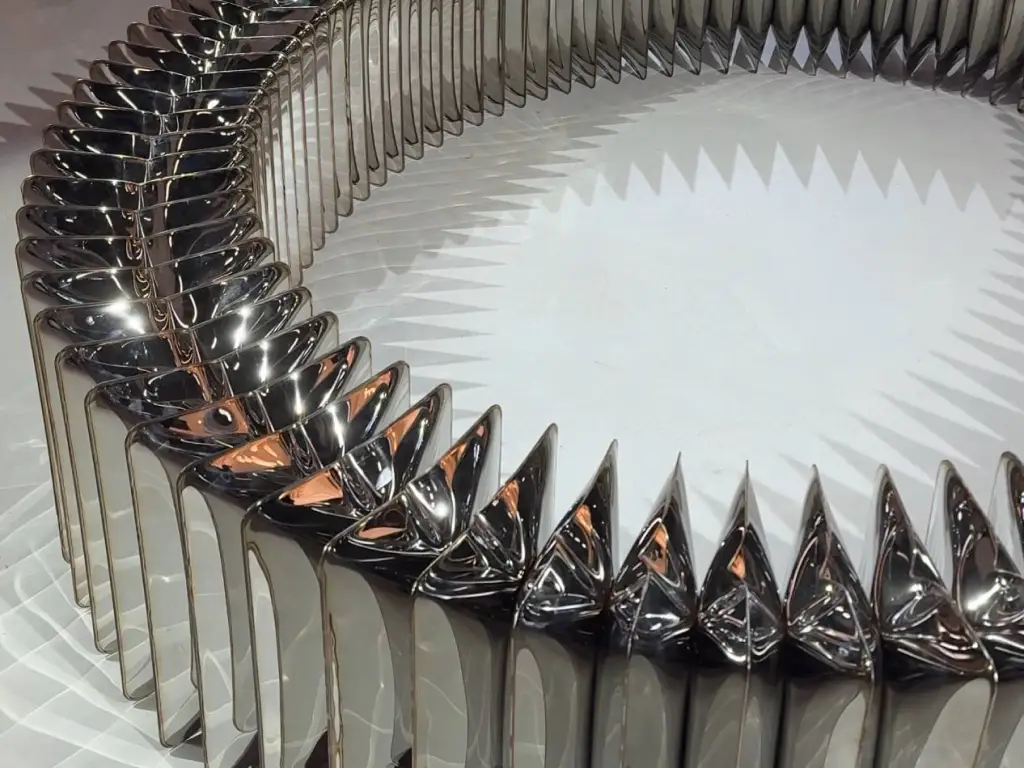
Maison & Objet January 2026: Trends and Highlights
Every January, Paris becomes a focal point of ideas, and Maison&Objet is not just an exhibition, but an indicator of where the design industry is heading. In 2026, this direction is articulated with particular clarity through its theme - PAST REVEALS FUTURE. Our correspondent Maria Beregovaya, Israeli interior designer with her private practice in Paris, shares her impressions and professiona...
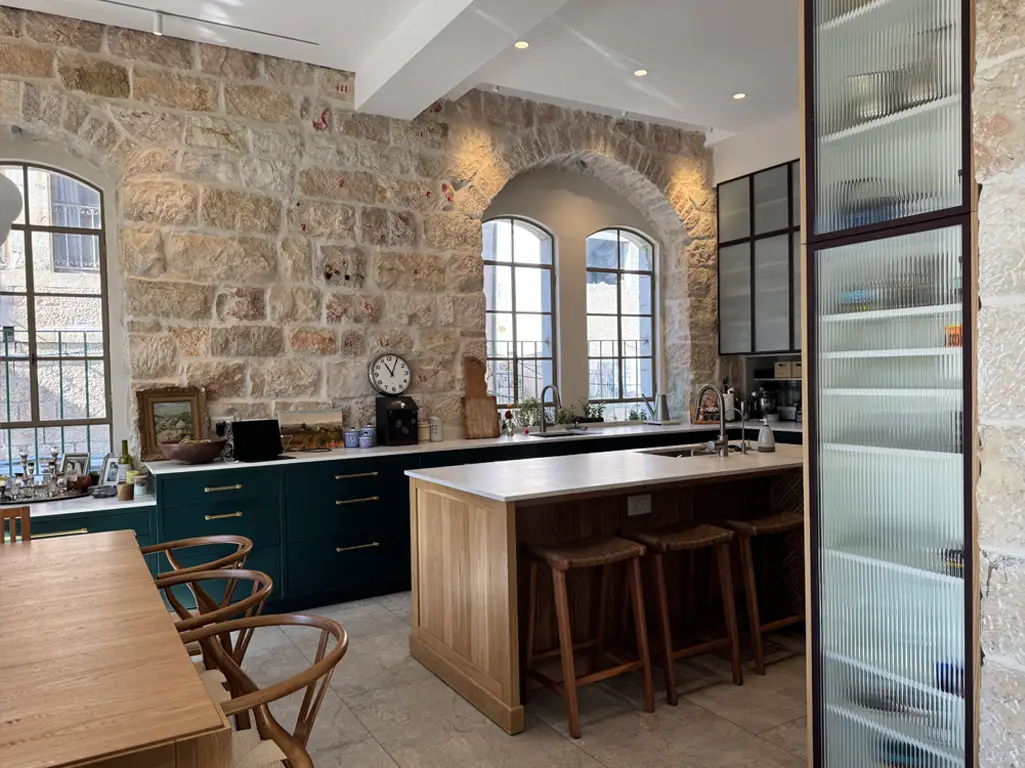
How Family History Influences The Interior Design
The editorial team of DI Catalogue was invited to a home shaped from within - a place where art, memory, and everyday life are deeply intertwined. This is the home of Rebecca Shore, an artist, created for her, her husband, and their family by her son, interior designer Simcha Shore. We spoke with Rebecca and Simcha about what it means to work together as mother and son, artist and designer, about ...
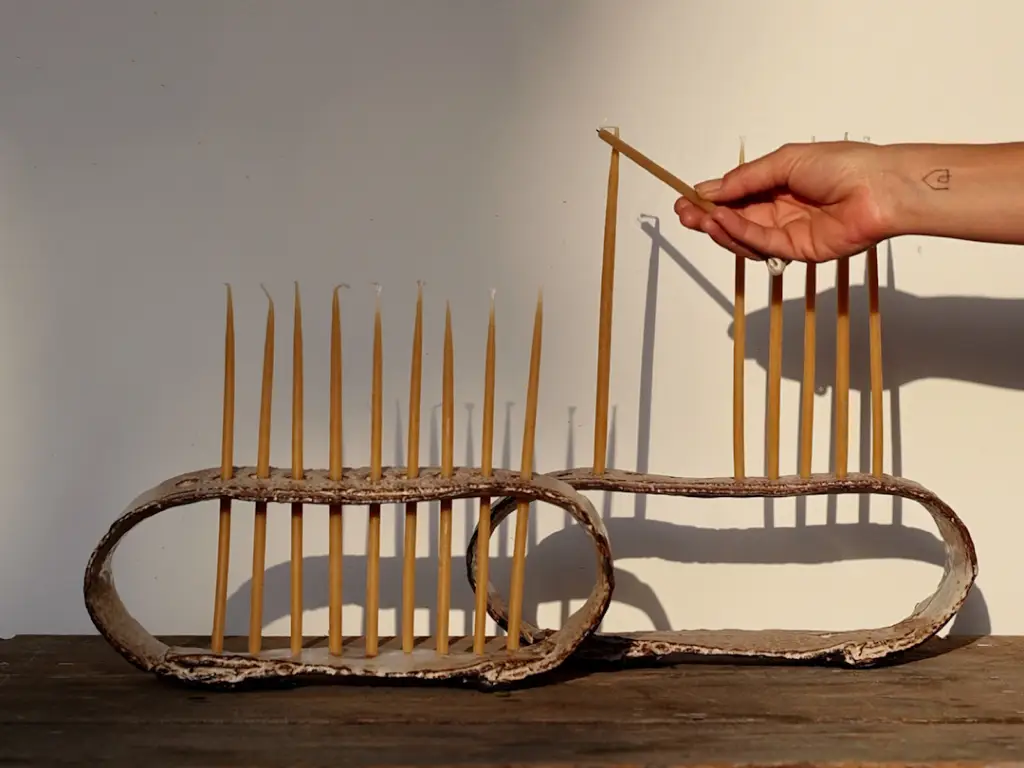
Hanukkah Menorahs that will Add Light This Year
Today, in the last day of Hanukkah as the 8th candle is to be lit, we are happy to share with you this amazing collection of selected Hanukkah menorahs. This review brings together artists from the short list of finalists of our Open Call Hanukkah Edition that we made in collaboration with art curator Ela Cohen and ECLECTICTLV project as a curated invitation to artists working with material, ligh...
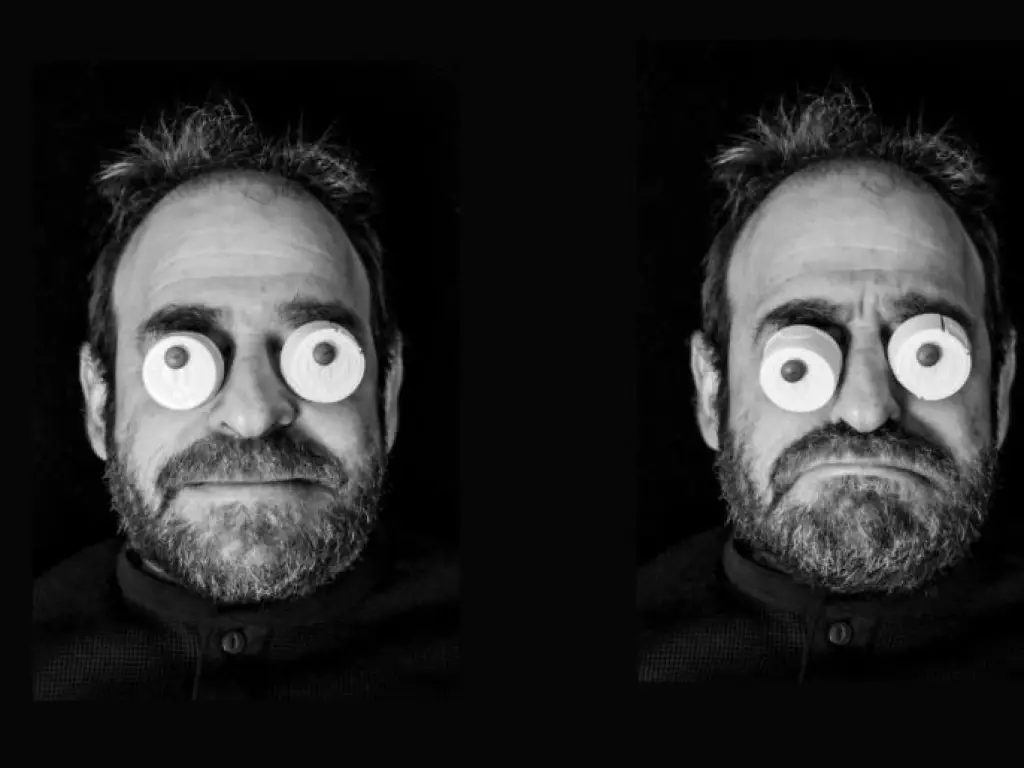
6 Exhibitions To Visit In October-November
Alexandra Levin, art historian, art guide and DI art expert prepared her list of local exhibitions and cultural events that she highly recommends to visit in October-November!
1. Loving Art, Making Art Festival
Jaffa Port, Tel AvivThe annual “Loving Art, Making Art” festival brings together art, environment, and the community. Held each year in different locations across the Tel Aviv...
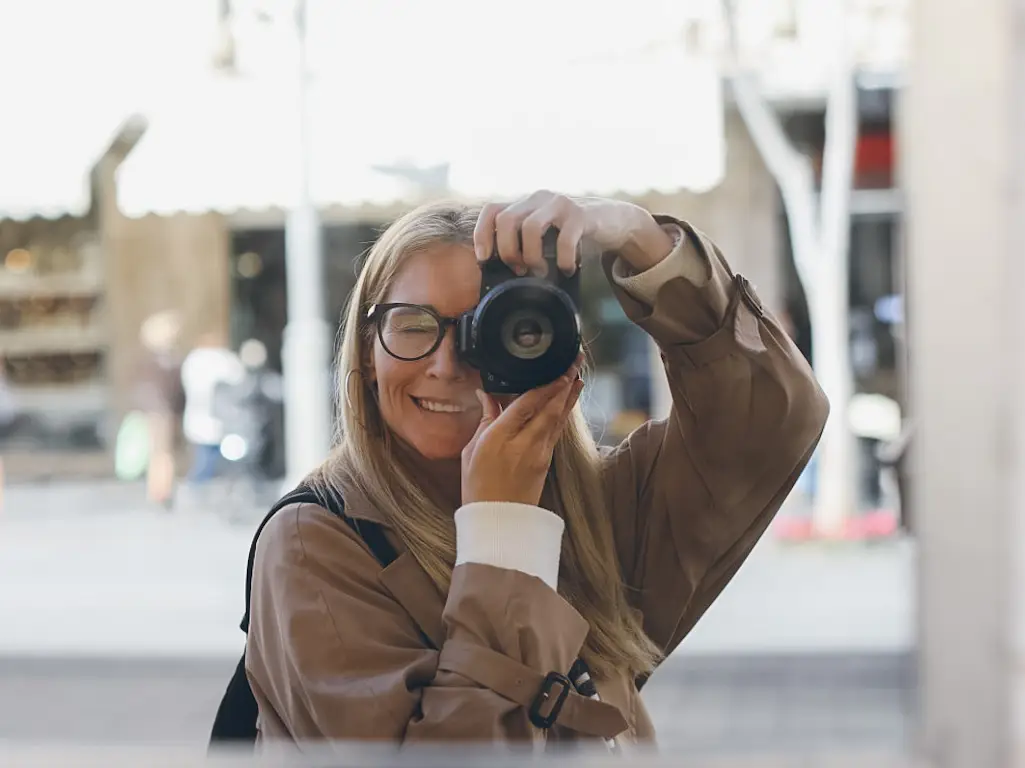
You In the Frame! Tips from Photographer Iya Volkova. For Creative Professionals.
Photography is a way to tell your story. It’s more than how you look - it’s how you "are": through light, posture, space, and mood. When a frame holds meaning, it becomes more than beautiful - it becomes real. We spoke with a talented photographer Iya Volkova - someone who notices light in ordinary moments, captures atmosphere, and reveals individuality. Iya’s main principle: photograph life, not ...