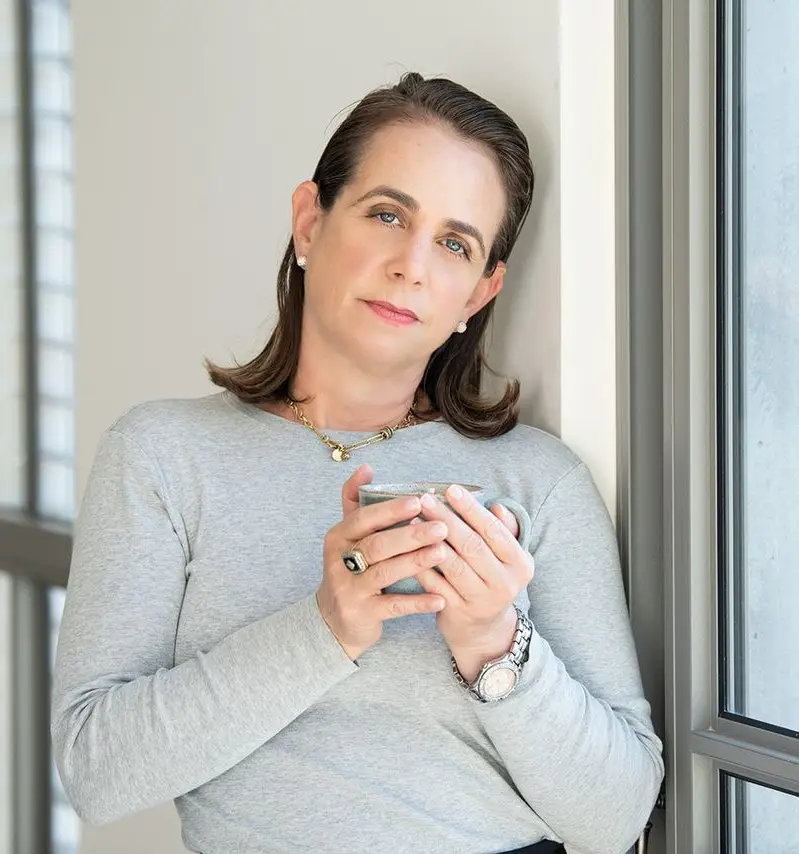
As part of the launch of this year’s Israeli Design Day, we sat down with its founder, Israeli journalist and design professional Ori Sela, to talk about the vision behind the project, the ideas driving its first edition, and what this new platform hopes to bring to the design community. In our conversation, Ori shares the inspirations, challenges, and ambitions shaping this exciting initiative.
Ori, let’s start with the beginning. What sparked this project, and what were you trying to create?
I was looking for a way to give Israeli design a real platform – a stage for local creators who design and produce here. I noticed that many people who live, for exmaple, in Ramat HaSharon or Hod HaSharon, somewhere in a high-end neighborhood and have the financial capacity and the values to support local work, often have no idea that these things even exist.
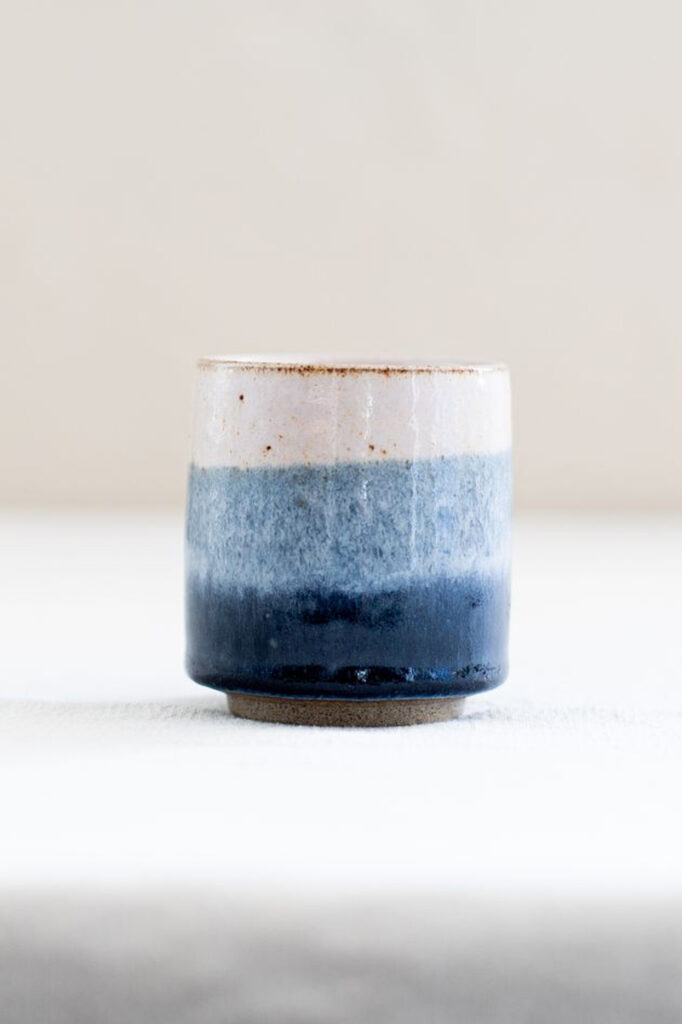
They don’t know that Yaara Open Studio is a gallery. They don’t know NoW Pottery is a functioning studio. They simply don’t know these places exist.
So I thought: what if we create one day a year entirely dedicated to Israeli design? A day that puts local work in the spotlight and helps people understand what exists, where it is, and why it matters. I held a small pilot at the HaHashmal Complex and honestly, I thought no one would show up. I kept asking myself, “Who would even care?” But dozens of people came, and the response was amazing. It showed me how hungry people were for this.
The first Design Day was in 2022. What happened next?
In 2023 I had ambitious plans! I wanted to make the event bigger, and even had major sponsorship from one of the biggest Israeli brands. But then the war broke out. I couldn’t bring myself to hold the event. It didn’t speak to me in that moment. So I cancelled it entirely.
But then designers began sending me visual works — pieces documenting everything that had happened since October 7th. Suddenly I had a complete visual timeline, without words. That gave me energy again.
I approached Yaara, she generously donated the gallery, the facilities – everything we needed, and we organized an exhibition voluntarily. Thirty-three artists participated; all works were sold, and the proceeds went to “The Children of the War,” supporting children orphaned on October 7th.
That became the second Design Day — completely different from the original plan, but deeply meaningful.
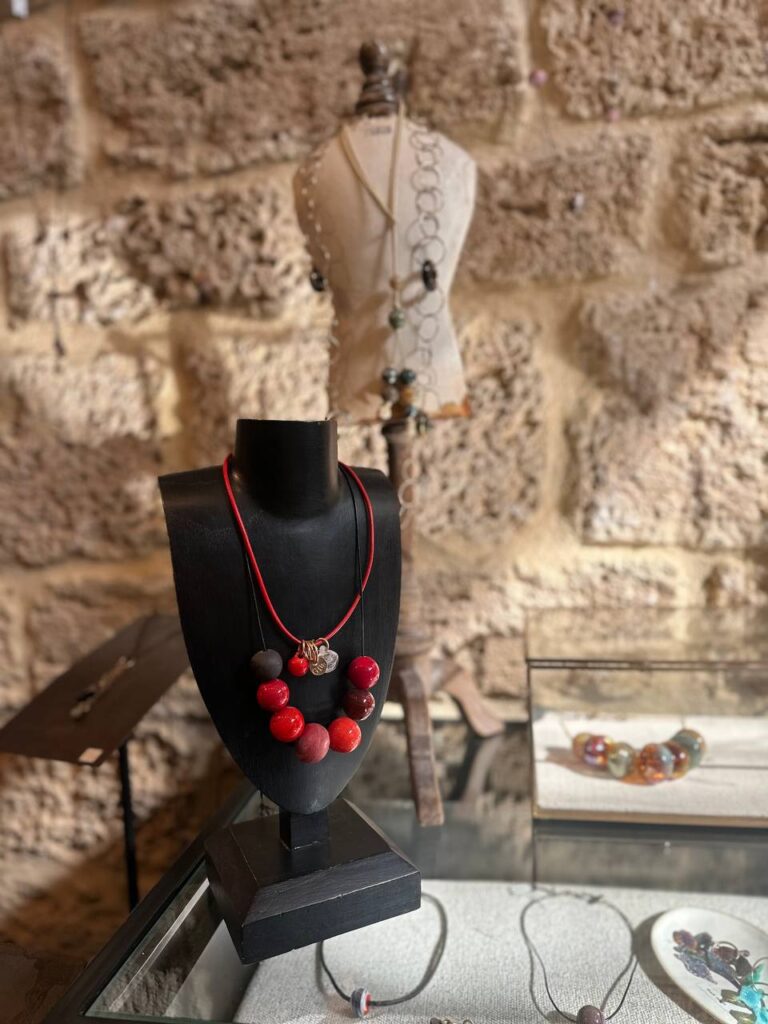
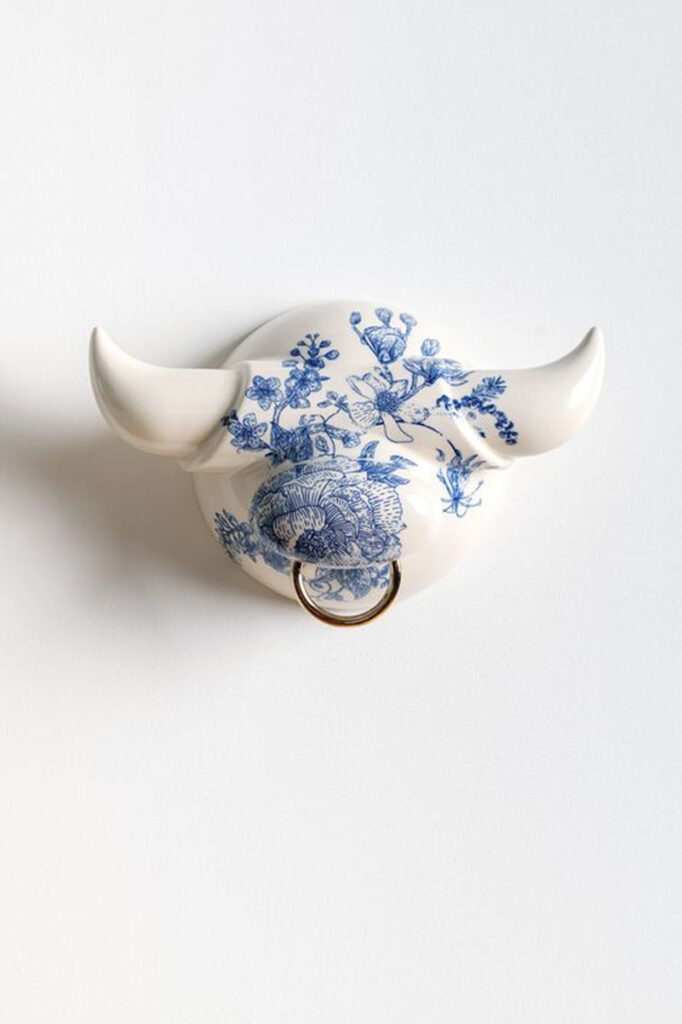
Yaara Klein-Yemin
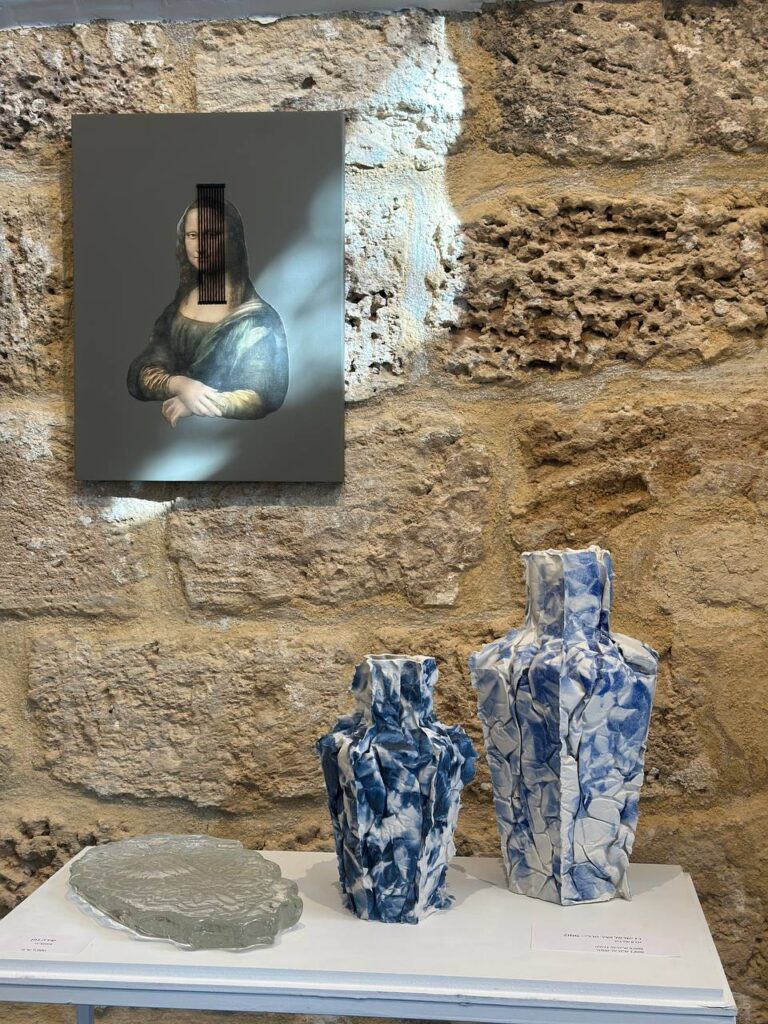
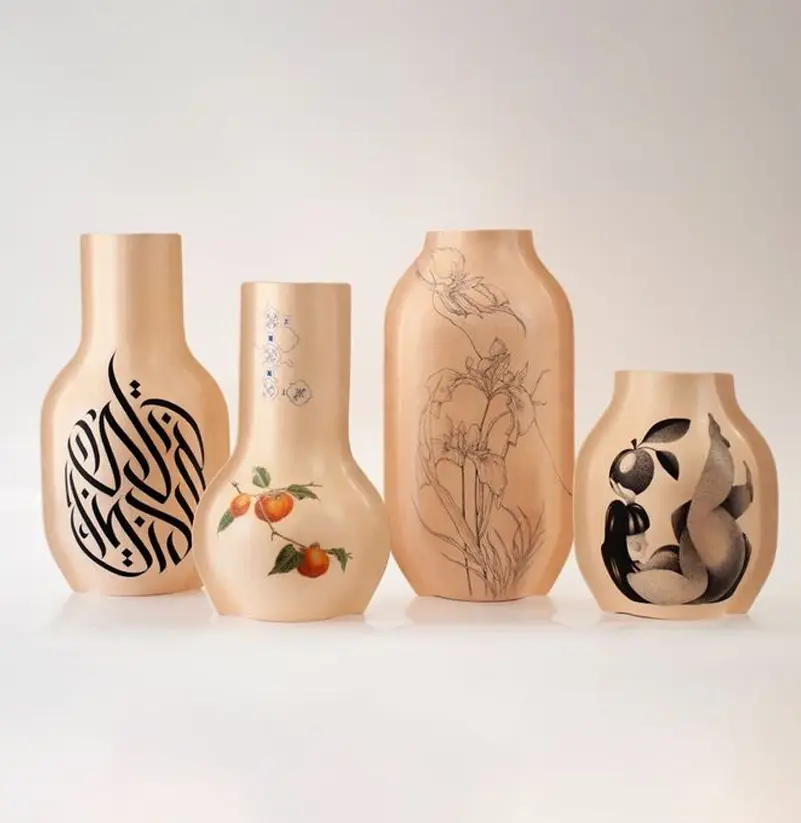
Vases by Studio Zing
Igrushka Design
Incredibly touching. Ori! And what about last year’s edition?
In 2024, I tried to return to a more “normal” event, but but it still didn’t fully feel right. People needed some escape, yet the hostages were still underground. I debated constantly — yes, no, yes, no — and finally chose a smaller event, again in HaHashmal Complex. It turned out wonderful.
One principle I’ve kept from the start is hosting designers who are not based in the complex. Studios open their doors to creators from all over the country. This brings new energy every time.
This year feels different – larger and more structured. What has changed?
And this year, especially after the hostages were released, I felt a renewed desire to create a bigger Design Day. It all happened extremely quickly — usually events like this take a year of planning, and we did it in two months! Ya’ara and Oshri were incredible, they made it possible!
For the first time the Tel Aviv-Yafo municipality adopted the event. They offered full support – PR, signage, lighting, everything. Design Day now spans across Jaffa, the HaHashmal Complex, and Kiryat HaMelacha. Visitors can join guided tours or wander freely with a map.
The city also subsidizes the tours, making them accessible. For me, that’s huge — because my dream is exactly this: for someone living in Hod HaSharon to come down to the street and discover Yaara Open Studio, NoW Studio, Goldfinger, the Copper’s Cave.
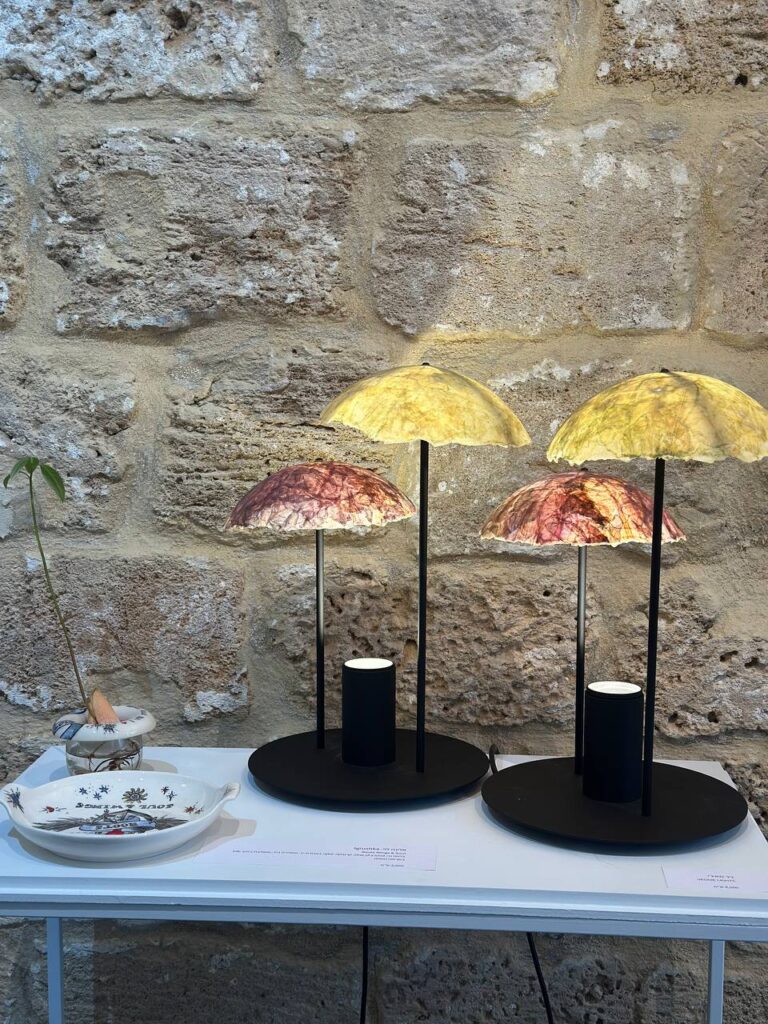
Yaara Klein-Yemin, Yael Chojnowski, Adi Nissani, Frill Furniture
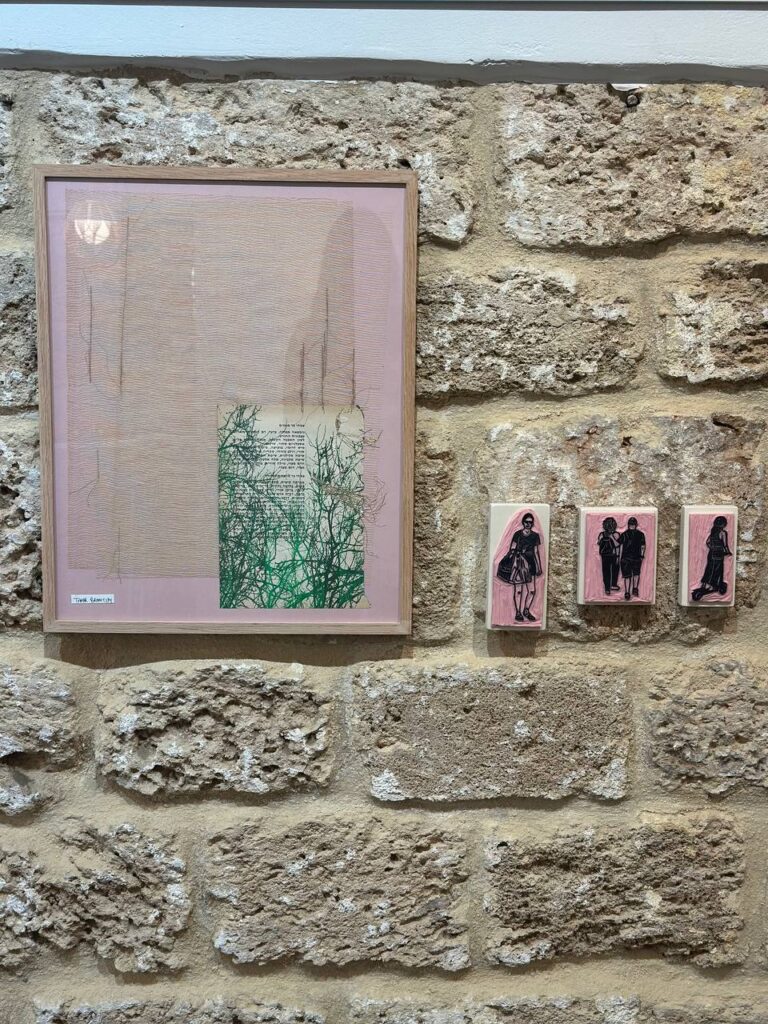
Tamar Branitzky
We recently discussed with Tomer Nachshon the need to support local product designers on the governmental level. What’s your point of view?
Right now, support is minimal and this is exactly the time it’s needed most. Two years of war hit local makers hardest. If we want to preserve Israeli craftsmanship, now is the moment to invest in it.
I always say: a handmade plate from NoW Studio may cost 150–300 shekels. A mass-produced one from Shein costs 19.90. They look similar but the cheap one ends up in the trash within a year. The handmade one becomes a family object. That’s slow design, but more than that it’s a mindset.
I try to plant that mindset through Design Day.
You speak a lot about handmade objects carrying emotional weight. How does that shape the event itself?
I never wanted a single central exhibition. I want the event embedded in the urban fabric. You enter Studio Atlas, Goldfinger, Tamir Chen, Menkaiev – and you see real studios: dust, work in progress, creation happening in real time. That’s the essence.
Let’s talk about the designers who participate. Do they return each year, or do new names join?
Both. I believe in giving designers the stage and things naturally fall into place afterward. So yes, we have long-time participants who return year after year as they feel the value of the platform. At the same time, every year we bring in new designers – sometimes fresh graduates, sometimes entrepreneurs just starting out. Costs are symbolic. I never want money to prevent talent from participating. Some even join for free if needed.
I love people with initiative – people who push, who want to succeed. I help them and promote them, even without payment, if they show initiative.
Healed Tattooed leather vases by Talia Luvaton
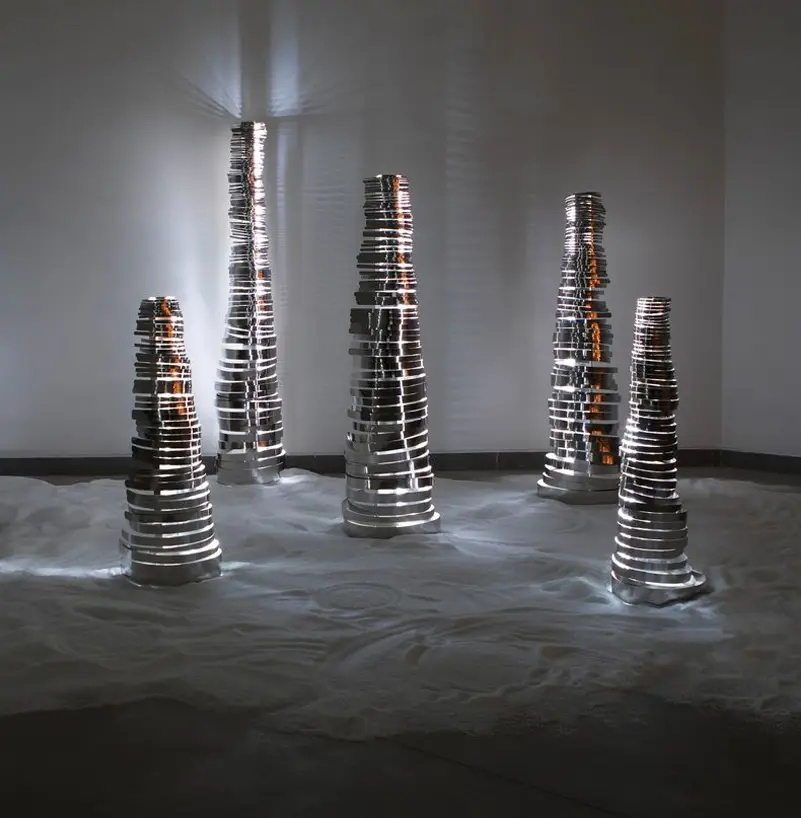
Shiny installation by Chen Taoz
We saw that N Studio run by Ann Shitrit, a fresh graduate and participant of this year Fresh Paint takes part in Design Day this year.
Yes! Studio Nachshon collaborated with her and together they created a new collection, launched on Design Day. They met this year, and she’s extremely talented and unique. She’s been working with them for months and they released the collection especially for the event.
This is part of what Design Day is about – new things happening on this day, things that don’t happen on a regular day.
I look for these collaborations — not just exhibitions, but meaningful leaps for designers. For example, the installation at Part Living was created by a designer named Perach from Studio Perpel. She’s a ceramic artist specializing in sculptural “shards.”
I often pair emerging designers with more established ones to create collaborations. In this case, I connected Perach with Part Living, a brand known for high-end furniture imports. They always seek a bridge to local design. She created an incredible window installation for them – a huge piece made of ceramic fragments. Stunning work.
Are most of the participating designers from the Tel Aviv area, or do you also have designers from other regions?
Most designers come from the broader central region. But anyone from anywhere in the country can apply through the open call. If they’re selected, even if they’re from Haifa, Nes Tziona, or anywhere else, they can participate.
For example, at Studio Nachshon, five designers from various parts of the country are being hosted this year.
Aviv Mor Yosef
Perach from Studio Perpel
NoW Pottery
Tell us about noteworthy new designers this year.
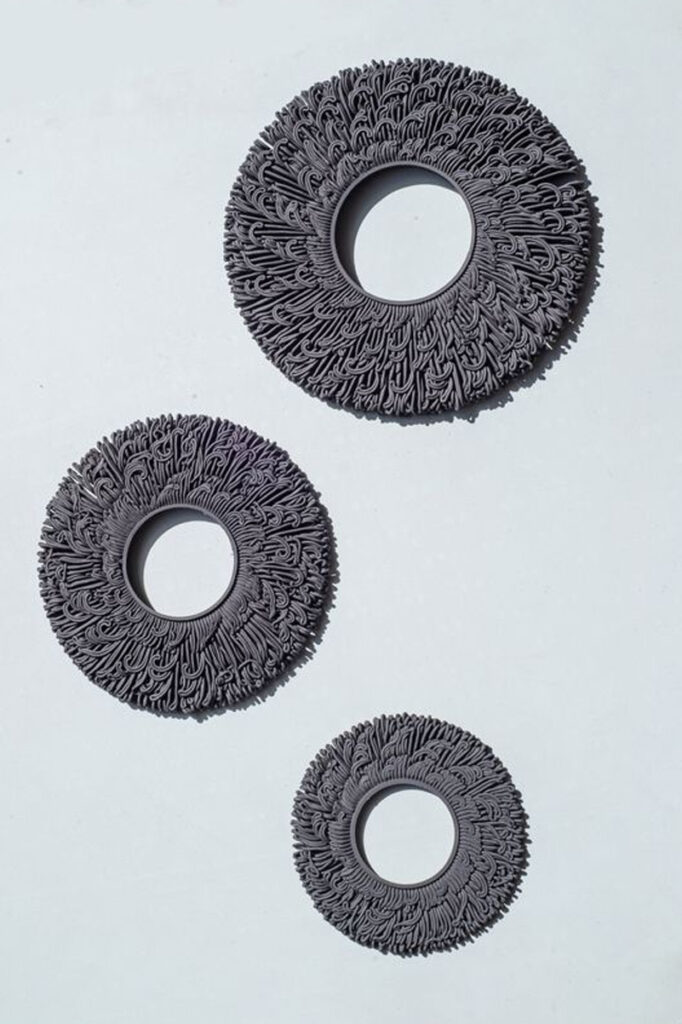
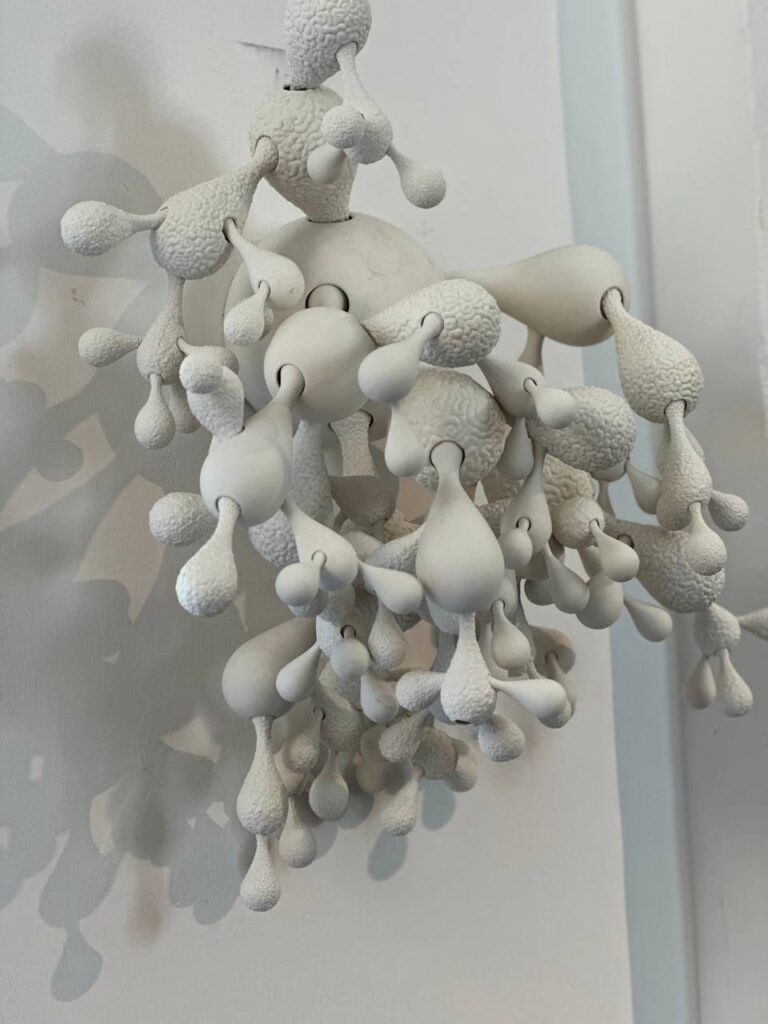
For example, Uma by Michal Bar-Ness – a multidisciplinary product designer. She’s completely new and creates amazing 3D-printed pieces. She’s very talented.
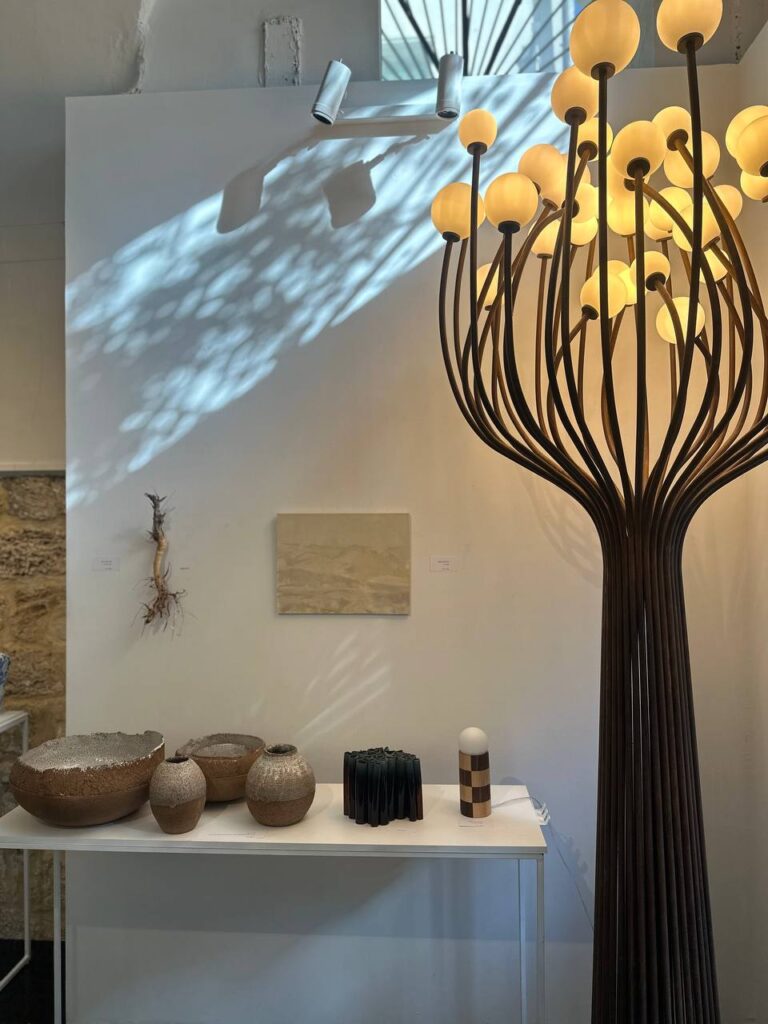
Aviv Mor Yosef – also new, just finished his studies, creating stunning lighting fixtures.
Chen Taoz – not new as a designer, but new to Design Day. She creates very unique work.
And of course Perach from Studio Perpel, with her incredible sculptural ceramics.
Studio Nachshon, though not new, is essential – they always fully support Design Day and host many designers from all over Israel. Without them, I couldn’t present as many designers in a meaningful way.
Edna Olver
Yaara Klein-Yemin
Can you tell us about the educational program during the event?
Yes. There are workshops for children, adults, and architects. The architecture workshops are smaller and happen during weekdays. Over the next two weekends, we’ll have children’s workshops and workshops for design enthusiasts, including those same people from Hod HaSharon on the third floor, who I hope will come explore the area.
Beyond tours, we offer hands-on material workshops – glass, textiles, light workshops that open the heart and soul. Perfect for a bit of escapism.
This Thursday we also have “Speed Design” – like a TED-style event – where five designers each speak for ten minutes about their work.
So join in and experience the Isreali design in real time.
Interview by Nadia Kraginskii and Olga Goldina for DI CATALOGUE
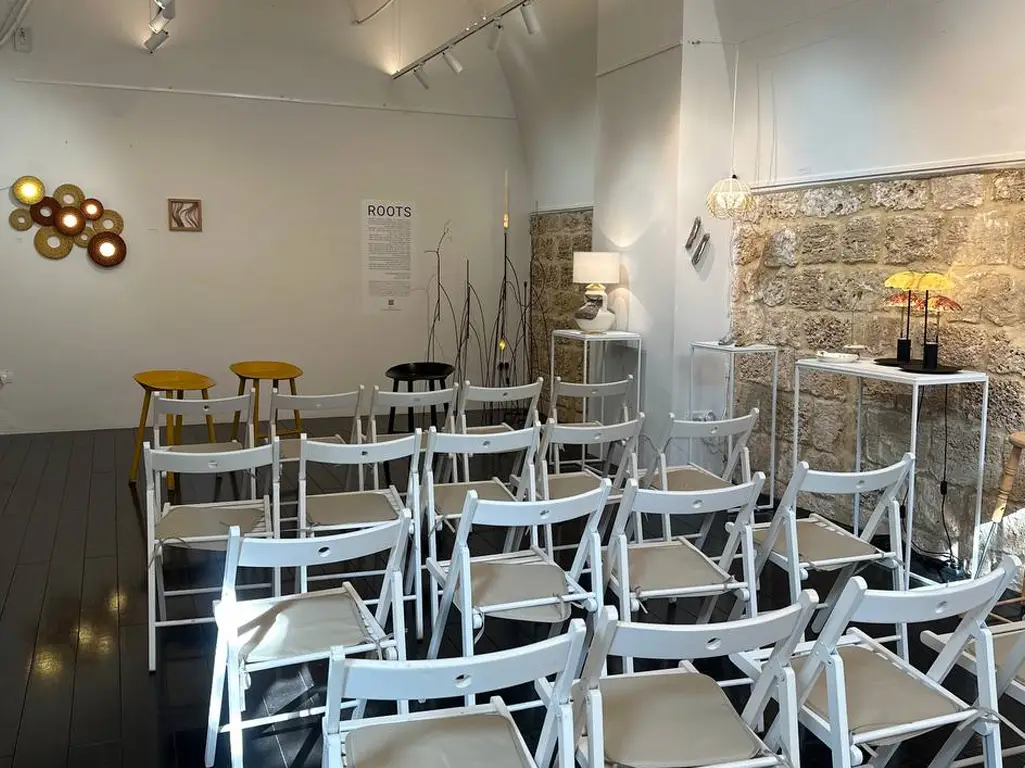
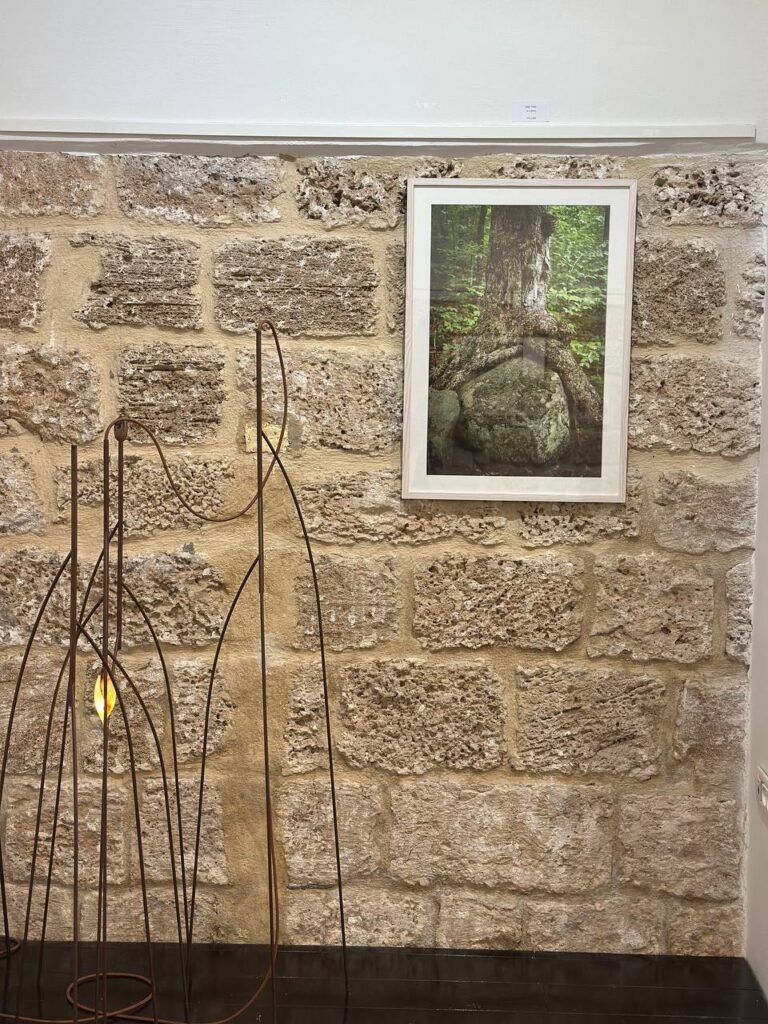
On the cover: Yaara Open Sudio, exhibition “Roots”