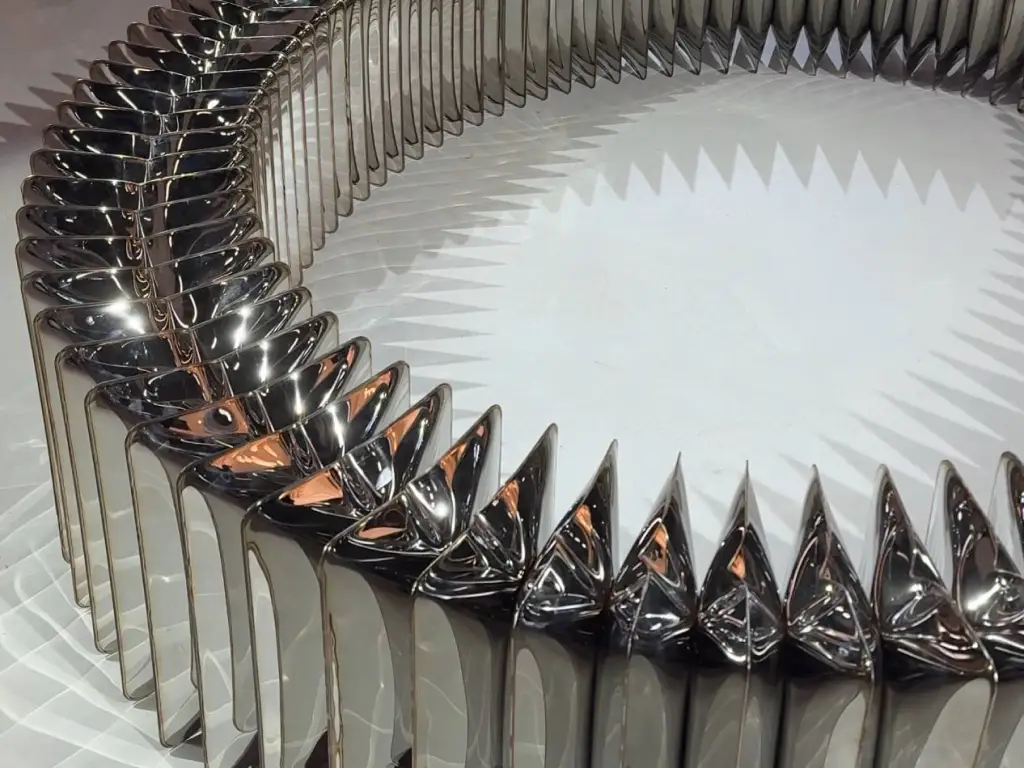
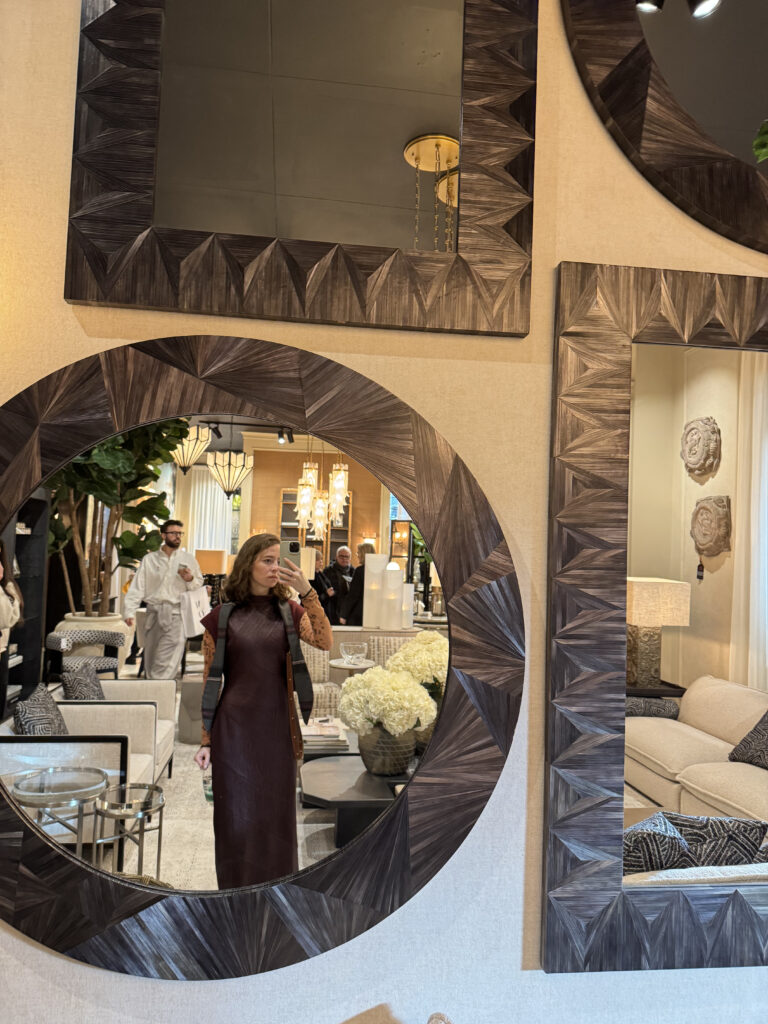
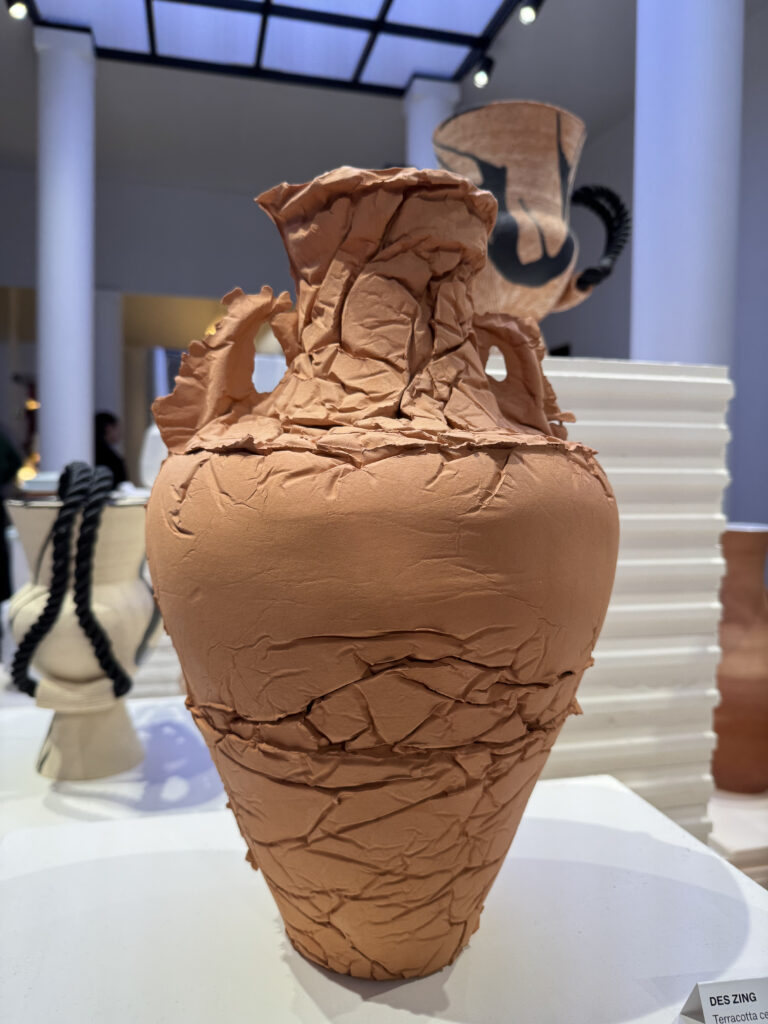
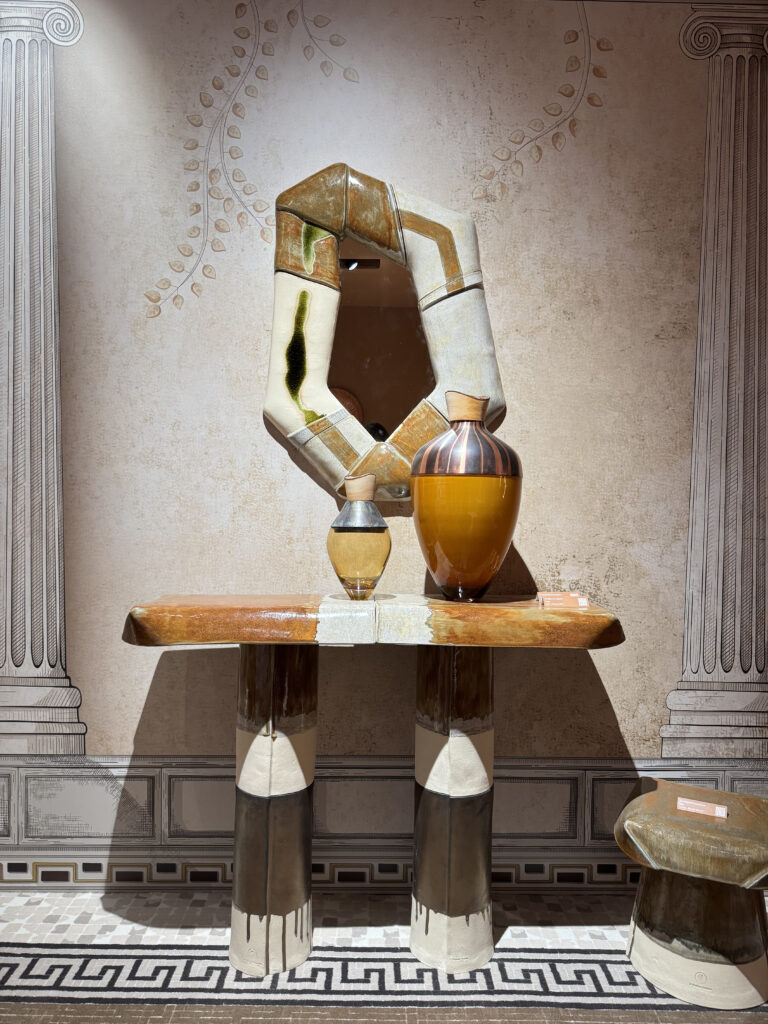
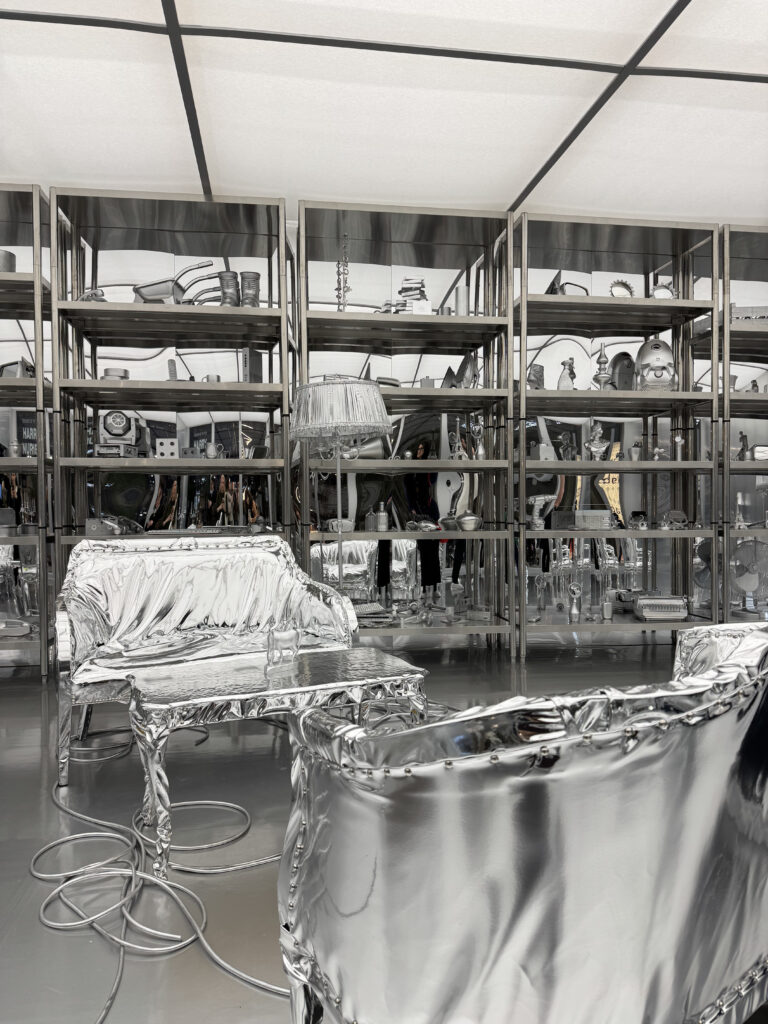
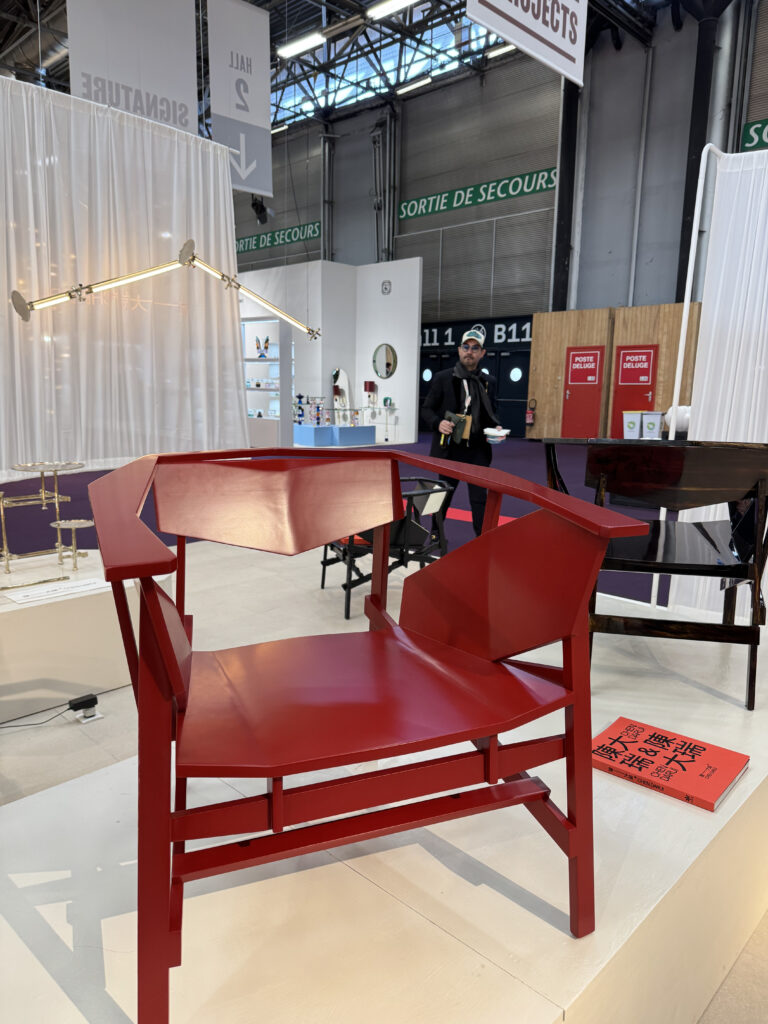
Every January, Paris becomes a focal point of ideas, and Maison&Objet is not just an exhibition, but an indicator of where the design industry is heading. In 2026, this direction is articulated with particular clarity through its theme – PAST REVEALS FUTURE.
Our correspondent Maria Beregovaya, Israeli interior designer with her private practice in Paris, shares her impressions and professional insights on the first design exhibition in Paris this year.
The main message of the exhibition is immediately clear: an interior object is no longer merely decoration, but a carrier of culture, gesture, and knowledge.
Form no longer seeks to impress — it seeks justification. Material is not concealed; on the contrary, its nature is openly expressed. Imperfection becomes a value rather than a flaw.
Four directions through which the meaning of Maison & Objet 2026 is revealed
Metamorphosis
Living materials and the sensuality of space.
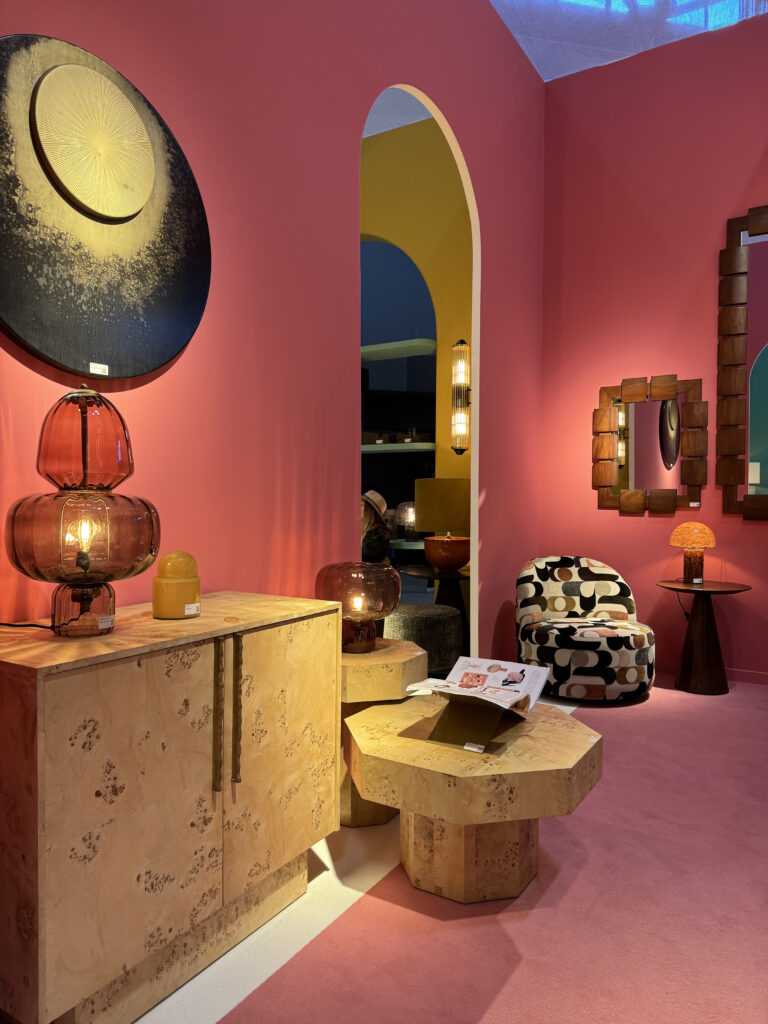
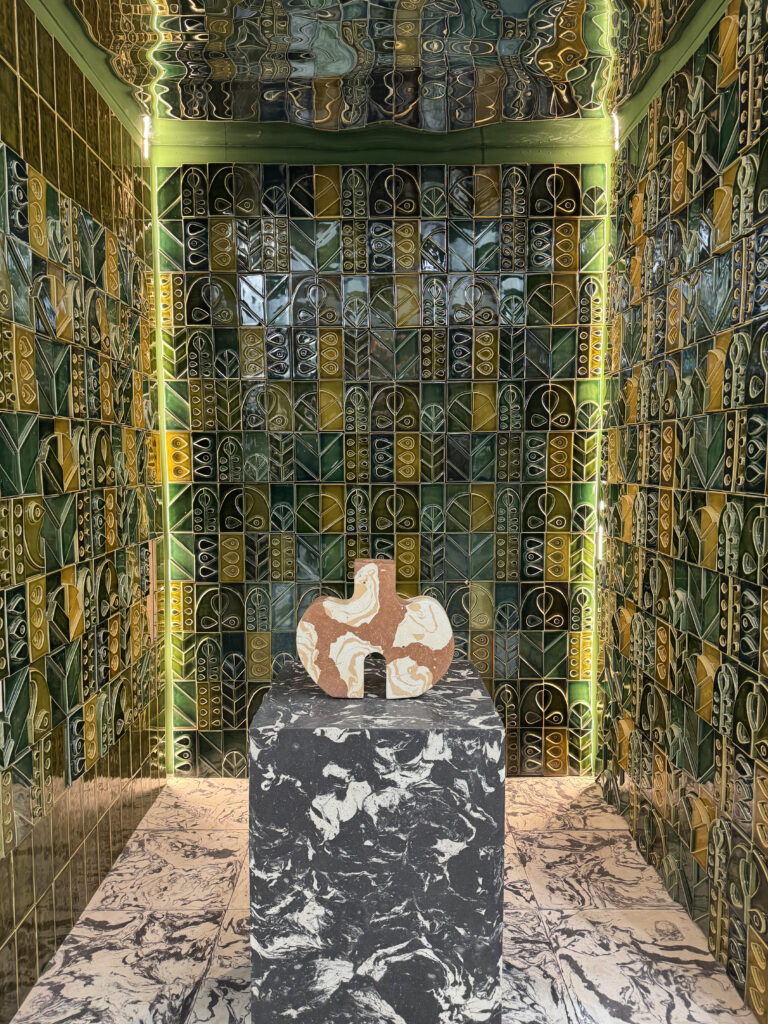
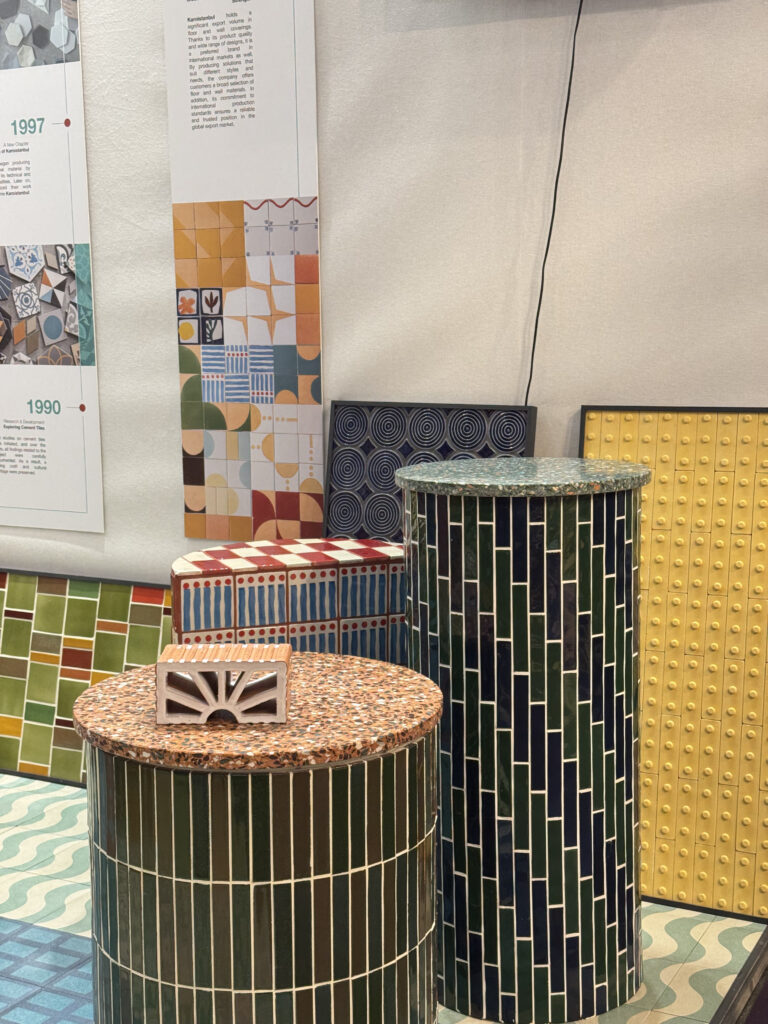
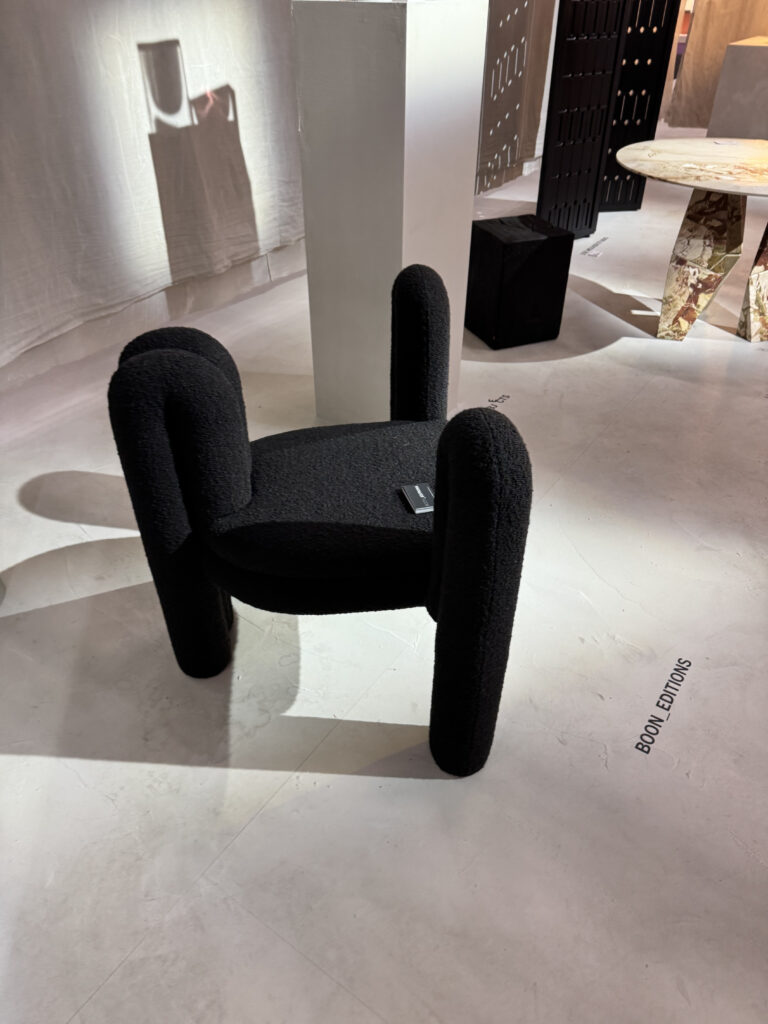
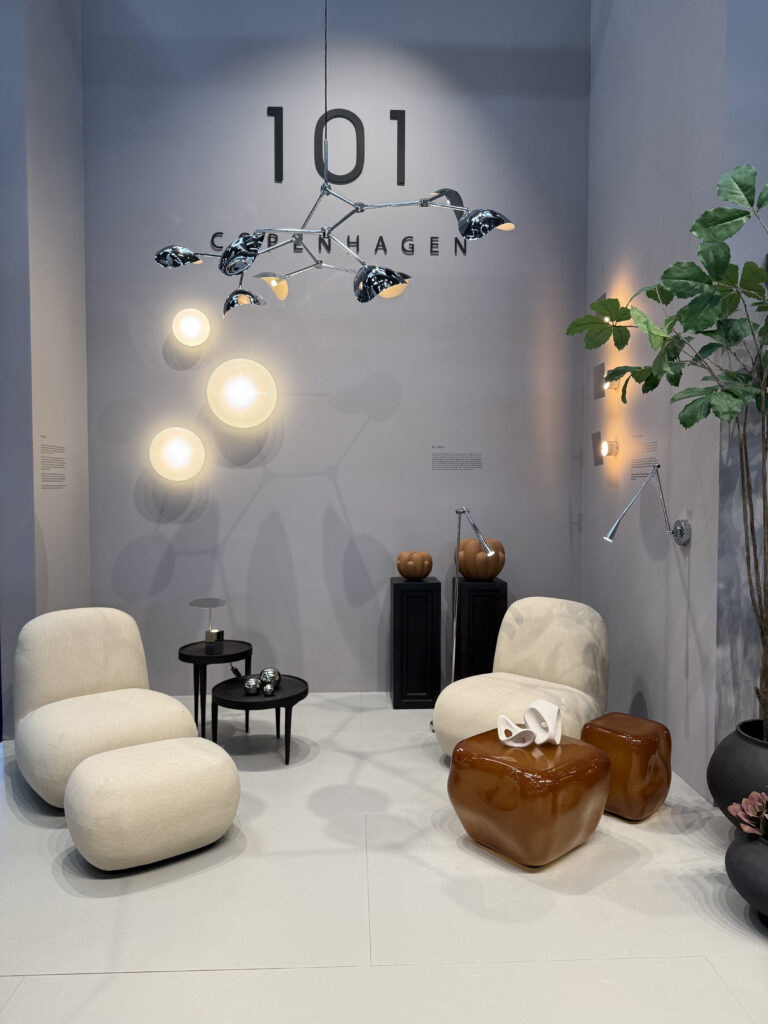
We see a departure from smooth, “sterile” surfaces. Complex textures come to the forefront: irregular ceramics, wood with a living grain, textured textiles. The interior becomes tactile – something to be felt, not just observed.
2. Mutation
Craftsmanship + technology.
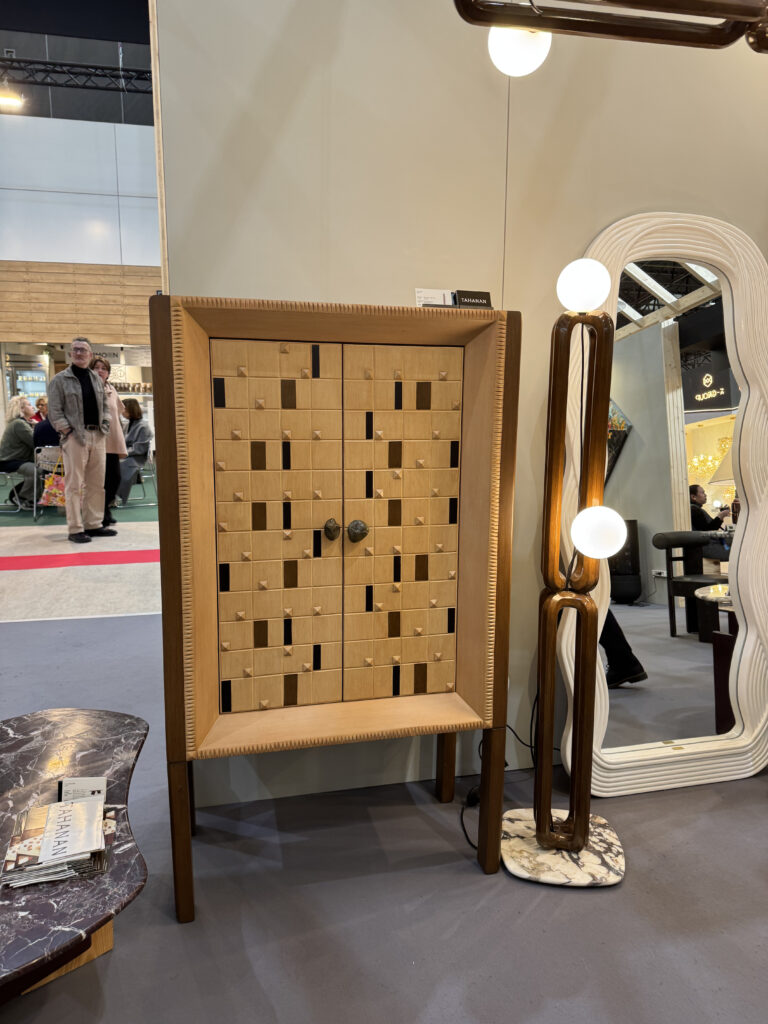
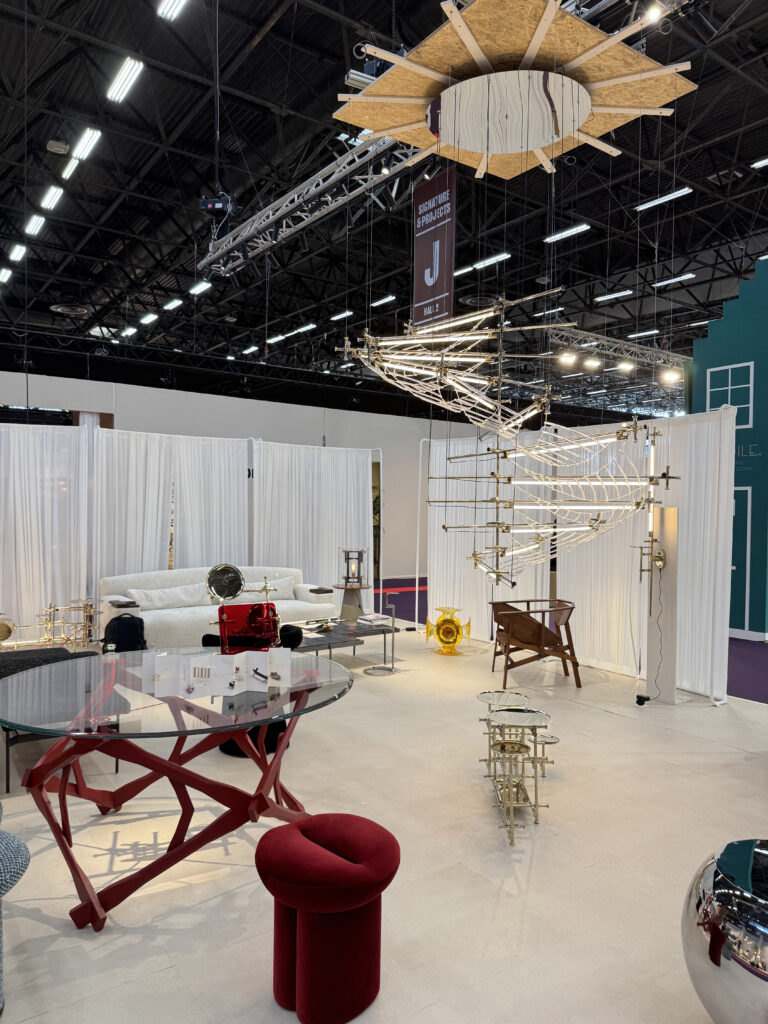
One of the strongest and most honest trends. Traditional techniques are not opposed to technology, they are combined with it.
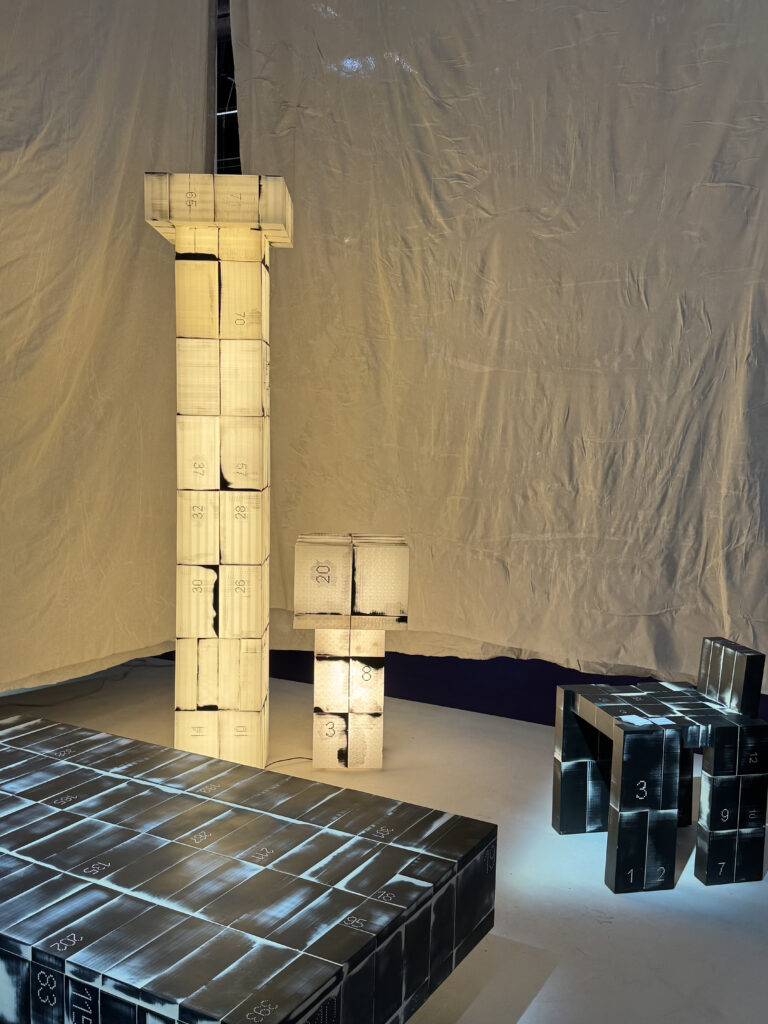
We see: • modular objects, • transformable furniture, • adaptation to real-life scenarios.
This is design that evolves together with the person, rather than dictating a way of living — while preserving its essence and its roots.
3. Revisited Baroque
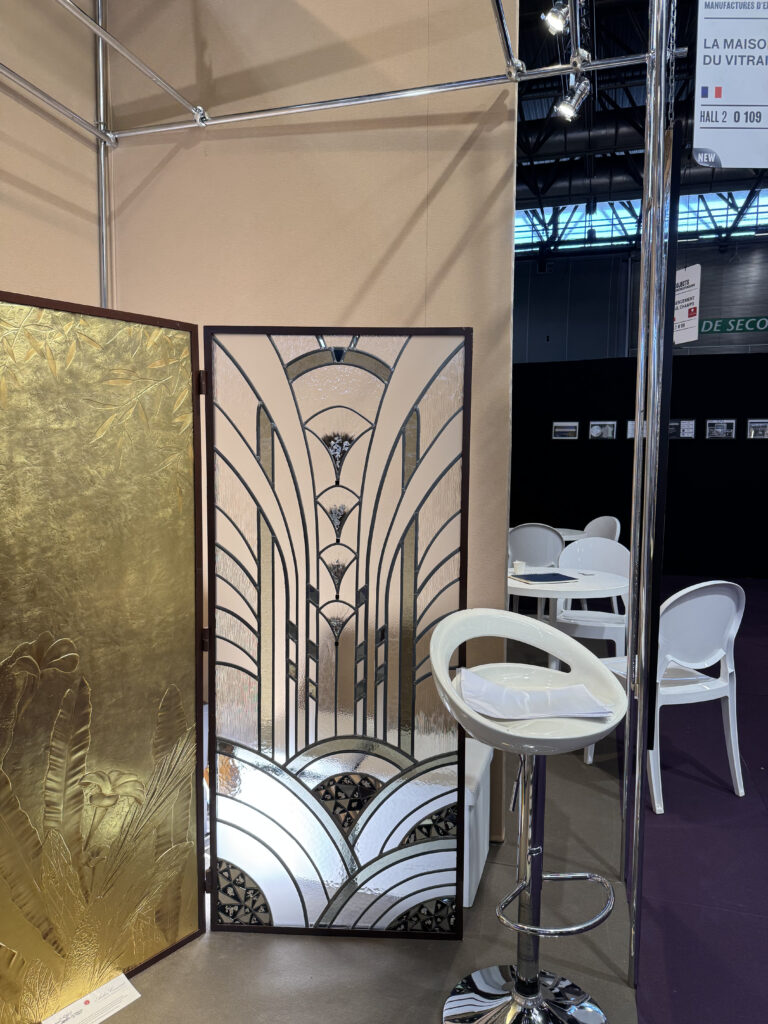
A new luxury without ostentatious decoration
Ornament returns, but in a reinterpreted form. Without heaviness, without gold for the sake of gold.
4. Neo-Folklore
Roots, local identity, handcrafted work
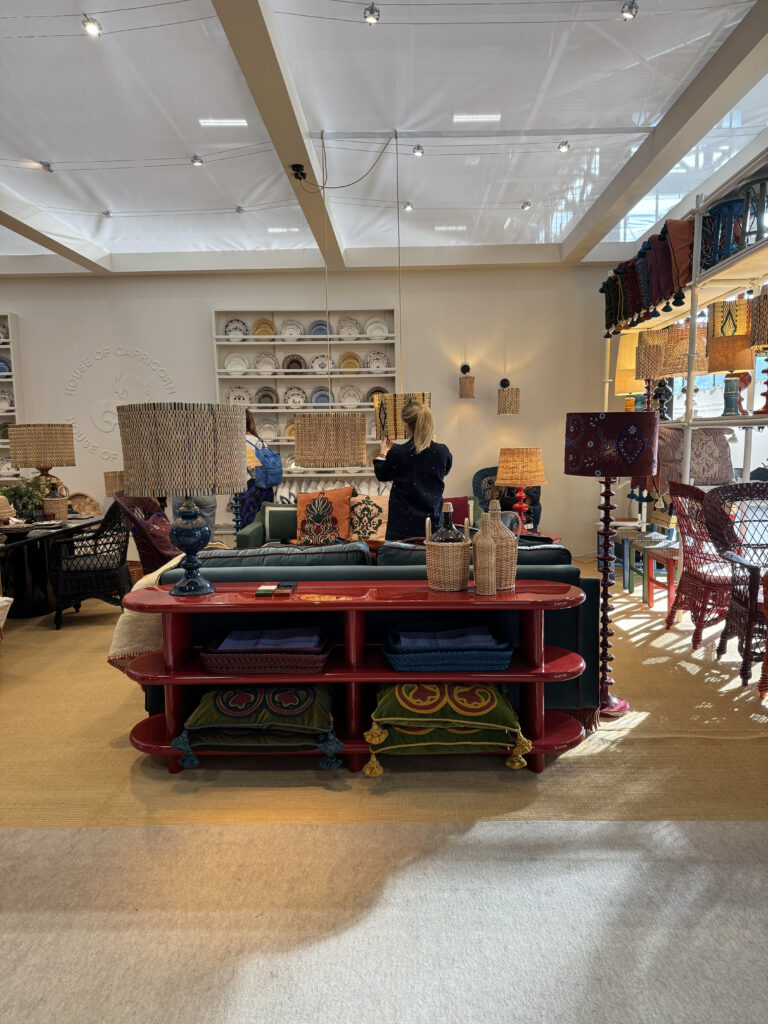
One of the warmest and most human directions. Folklore is no longer perceived as “naïve”, it becomes a source of strength and self-recognition through roots and culture. Handcraft, local motifs, and simple forms connected to place and tradition create an honest, emotional interior that cannot be replicated.
What this means for real interiors — and how to apply it.
If we strip away the exhibition aesthetics and translate everything into the language of everyday life, it becomes clear: • Less disposable trend – more of a “long-term” home. Objects are chosen not for a season, but for years. • Material once again becomes the main protagonist. Wood, ceramics, textiles, glass – not perfectly refined, but bearing the visible hand of the maker, with texture and character. • The interior stops being a showcase. It becomes a space that lives, ages beautifully, and accumulates personal history.
This year, the exhibition feels like a reminder: design is not a race for the new, but an ability to work with time, memory, and quality.
And it is precisely this approach that makes an interior truly contemporary and individual, regardless of date.