Art, Interiors

Living in a Gallery. Interview with Yuval Zimmerman, Founder of Frezia Gallery.

We met Yuval Zimmerman  to talk about his journey from marketing to design collecting, and how passion became a profession. Yuval Zimmerman, art curator, collector and creator, together with his partner Guy Zimmerman, a native of the world of technology, created an unusual Frezia gallery which is a home and a gallery at the same time, where their love for art, vintage and collecting combined

Yuval, can you tell us about your professional background and how the idea for opening the gallery came about?

My background is actually in marketing. I worked as a marketing director for a large company for about seven years. But my true passion has always been collecting.

Since I was a boy, I collected everything. My first collection, at the age of seven, was Coca-Cola cans and bottles. It started small, but soon everyone brought me a can from abroad, and it grew to about 3,000 pieces – my whole room was filled! Later, I collected stones, fossils, insects, flowers – I just love collecting.

About ten years ago, I started collecting Israeli contemporary art and mid-century iconic furniture pieces.The collection grew so much that my house was literally full. I had to decide whether to stop, or to find a new way to present, rotate, and even sell some of my pieces in order to continue collecting.

Because of my marketing background, I decided to take a creative approach and to look for something missing in Israel’s art and design scene. I realized there wasn’t a place combining both art and design under one roof. So I opened the gallery. It started as a way to keep collecting, but also as a marketing concept – to bring something fresh to the Israeli art and design world.

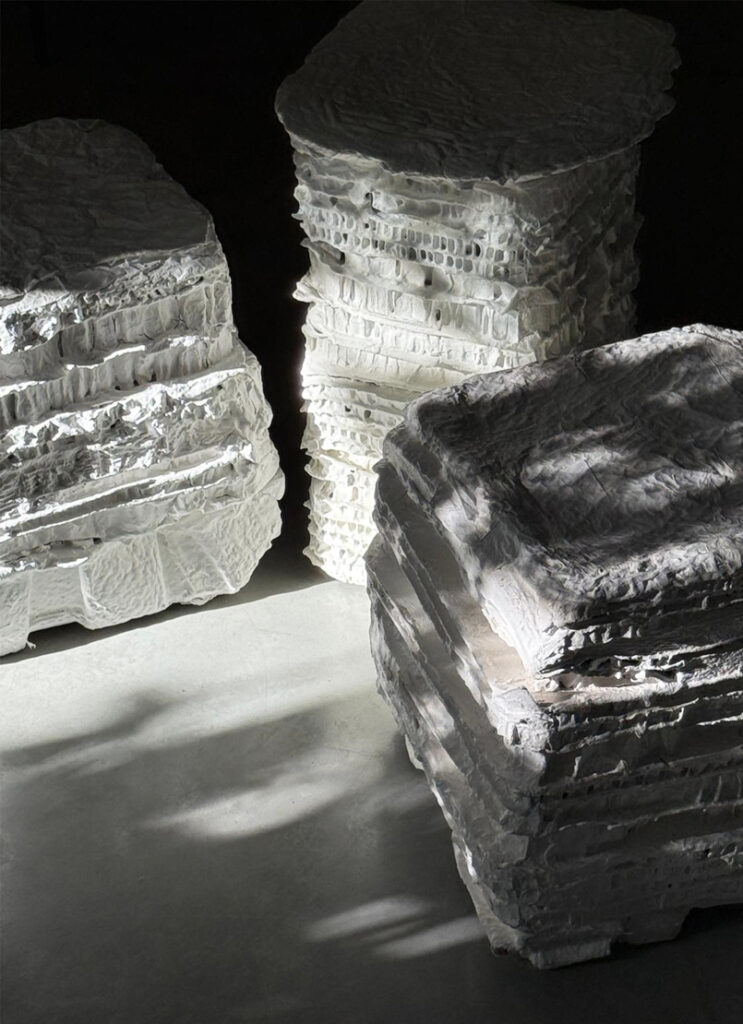
Numbered Stools No. 7, No. 9 & No. 11 - Arie Franco, 2023
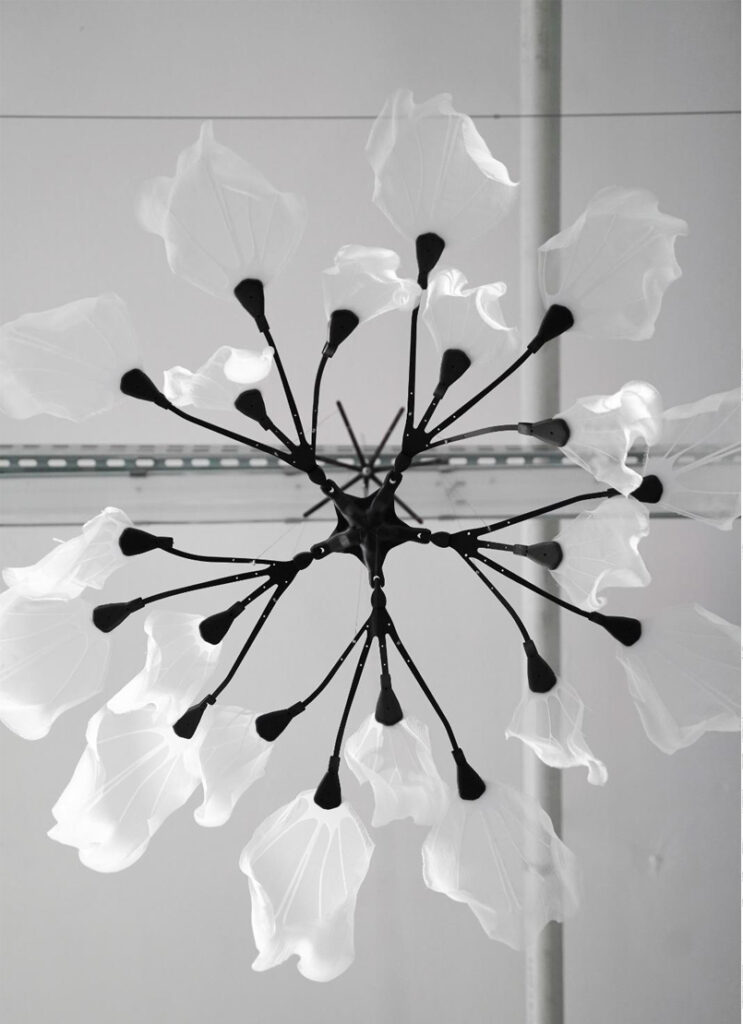
Emotional Object, 2025 Efrat Duchan

Let’s talk about the vintage design market in Israel. How do you see it developing?

It has definitely become more popular over the last four years. There are many new galleries and shops opening each year, even compared to some European cities. I’d say at least two or three new places appear annually. But the market here is still quite young. Because it’s trendy, people often look for inexpensive vintage pieces, not necessarily authentic collector’s items. They want something that looks vintage, for example, an IKEA vase that resembles a space-age lamp. It’s more about the look than the story behind it.

So yes, it’s trendy, but not yet deep in terms of connoisseurship or serious collecting. Still, it’s growing  and that’s great.

And who are the people interested in vintage? Mostly younger buyers or older ones?

Trends are mainly driven by the younger generation. They love mid-century modern or space-age design. Older people, on the other hand, tend to appreciate European vintage – 19th-century or early 20th-century pieces, often more traditional or connected to Jewish heritage. So the two generations are drawn to completely different aesthetics.

Where do you source your vintage pieces — in Israel or abroad?

Everywhere. Some of our best finds were literally on the street, thrown away. Just yesterday, for example, we found a huge Venetian mirror near the garbage – perfectly preserved and incredibly rare. We find things all over Israel, even in small towns like Dimona.

There is another way: when people renovate or clear out their homes, they invite others to come and take whatever they want. Many don’t understand the value of what they have or what their parents had. For example, I once saw an ad saying, “Come take whatever you want for free.” And I found incredible things there. It’s very common. Some of our textiles and ceramics came from houses just before renovation, saved at the last minute.

The third way we source is when we really fall in love with something and then we travel or order it from abroad. But we prefer to travel, hunt for it ourselves, and bring it back to Israel.

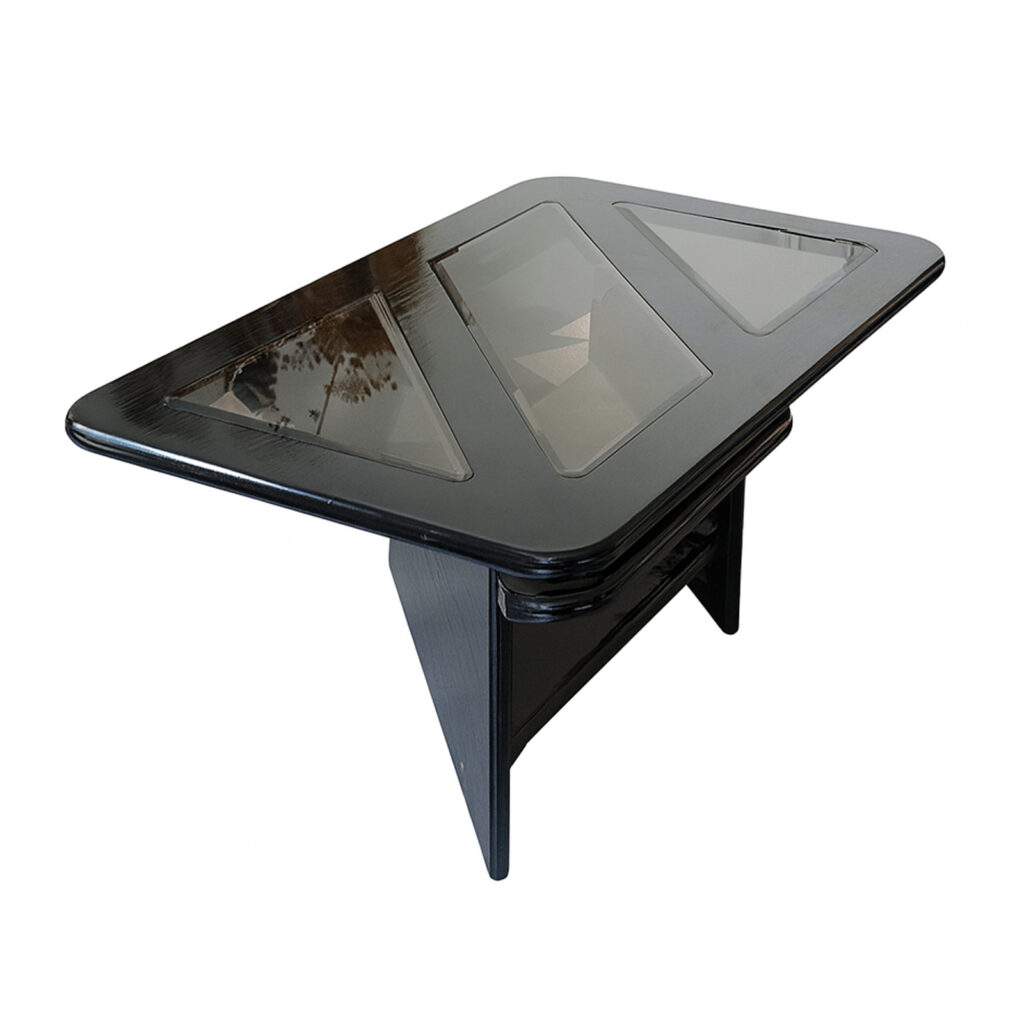
Coffee table, 1980s
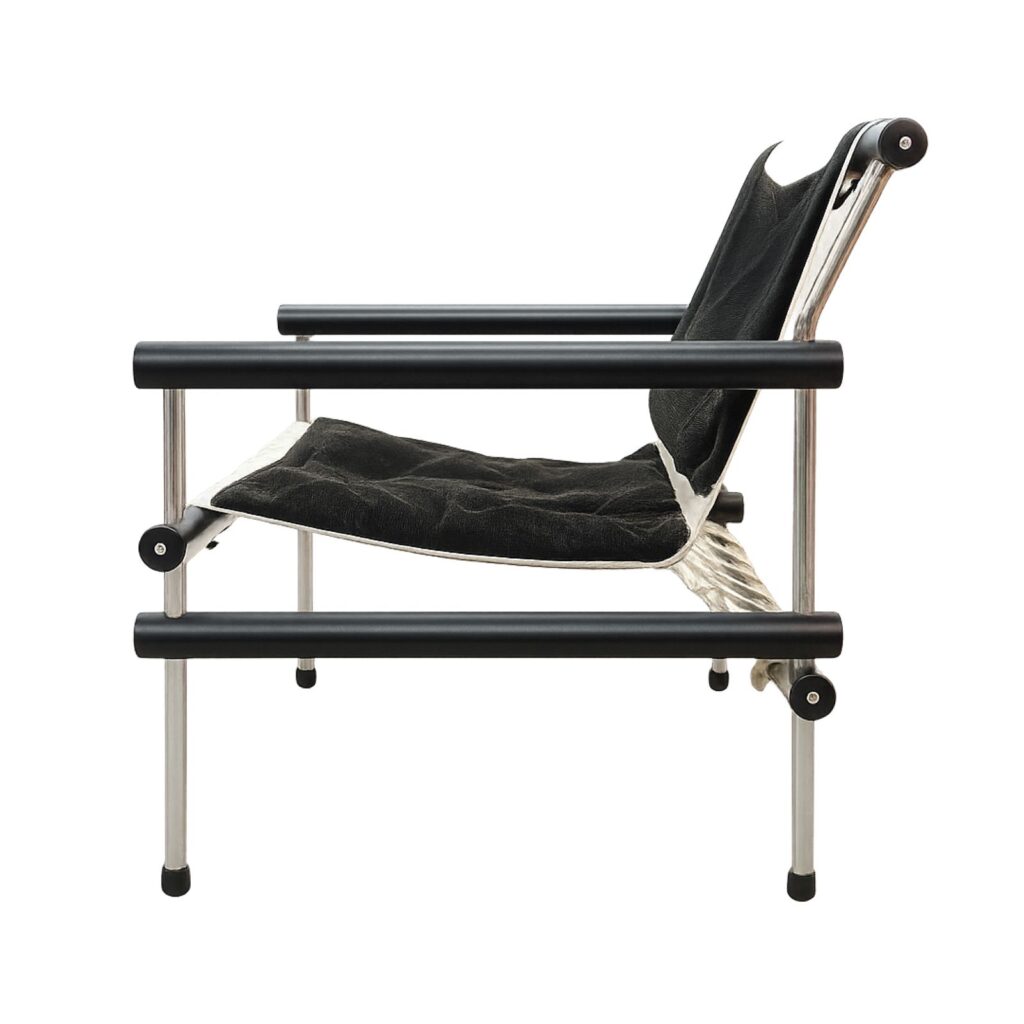
Alpha furnitures ,1960s Niko Kralj

So abroad, do you go to flea markets or directly to specific places?

It depends. We do go to flea markets, but that’s always a gamble – you never know what you’ll find. Sometimes we get lucky and discover great pieces. If we’re looking for something specific, we plan in advance. We contact galleries and shops before traveling. For instance, last year we went to Budapest to find a Hungarian lamp designed by Borsfay Tamas in the 1970s. It’s extremely rare, we couldn’t even find one online! Sellers told us that if any existed, it would probably be in Budapest. So we flew there, spent five days searching, visited more than twenty storage places, and finally, in the very last one, we found it.

That’s incredible! So what are your principles for selecting pieces for the gallery? 

For me, the most important thing is that each piece tells a story, whether it’s about an era, a designer, a material, or a manufacturer. Every item should carry meaning. The second thing is emotion. I need to feel an immediate connection, a “click”. If I don’t fall in love with it at first sight, it’s a “no”. So yes — it’s about story and click.

You also sell vintage pieces – how do you help your clients make decisions about buying vintage? Many clients don’t understand why it should costs so much – “it’s not new”, they say. How do you explain its value?

That’s a great question. First of all, I always try to understand if the potential client is even into vintage. Because honestly, it’s not for everyone. If someone prefers a clean, minimal, brand-new aesthetic, like a full IKEA home, that’s fine. But even if I tried really hard to convince that person, it probably wouldn’t work. Vintage is for people who are drawn to deeper stories, who appreciate design and craftsmanship beyond trends. I have nothing against IKEA – it’s just a completely different mindset and audience.

But when a person already has some emotional connection to design, I explain that adding even one vintage piece can make the space truly unique. It adds atmosphere and soul. If you manage to blend vintage and new pieces in a harmonious way, that’s when the magic happens. That combination brings warmth, individuality, and balance to the home.

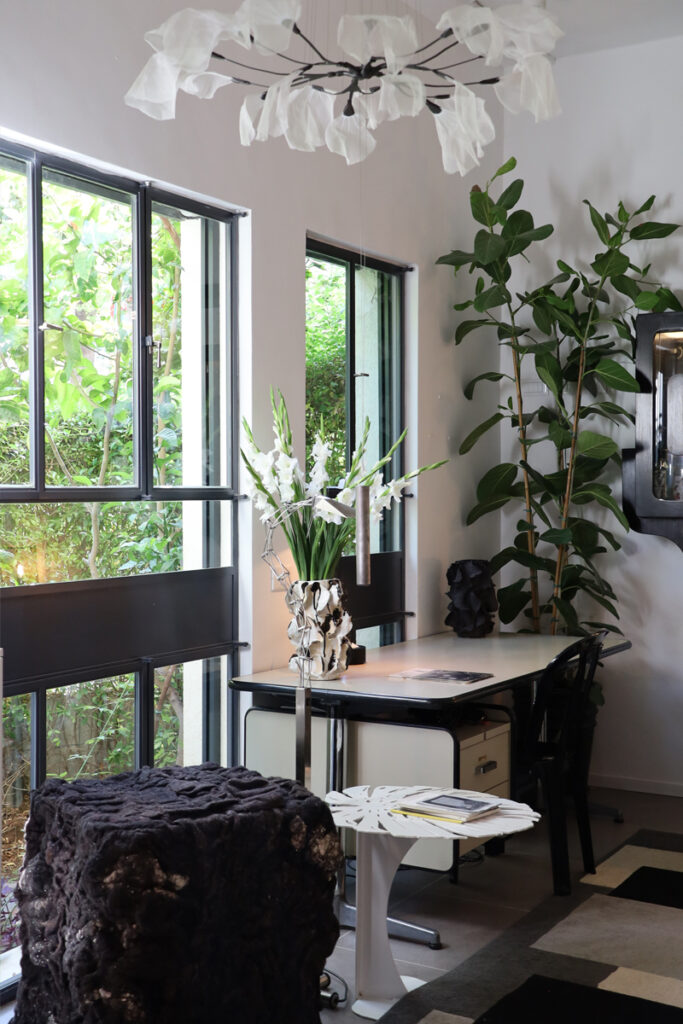
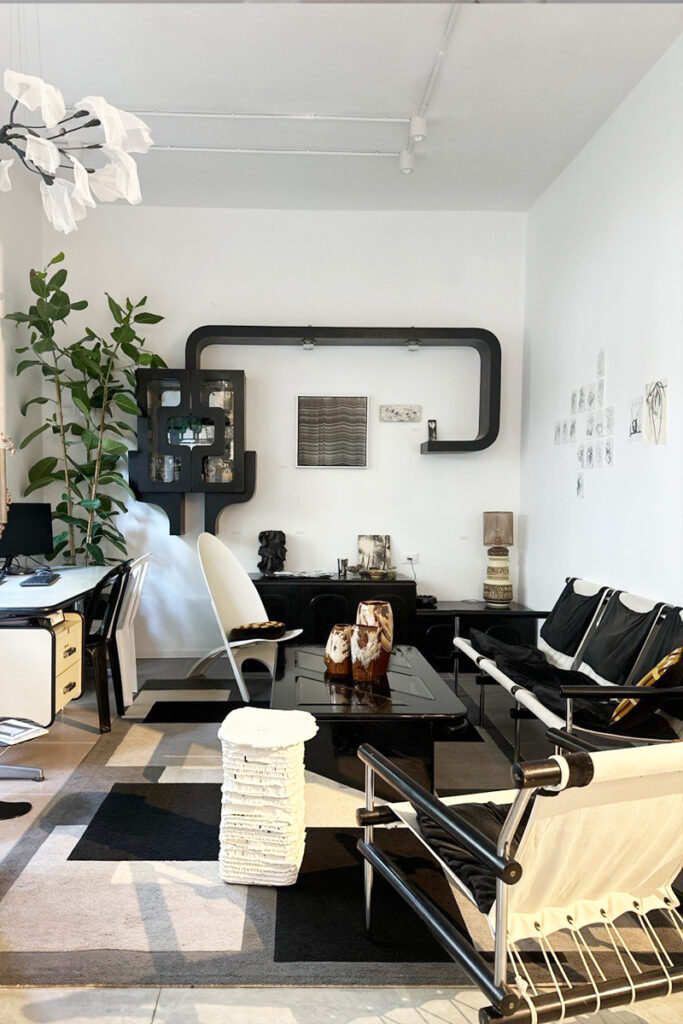
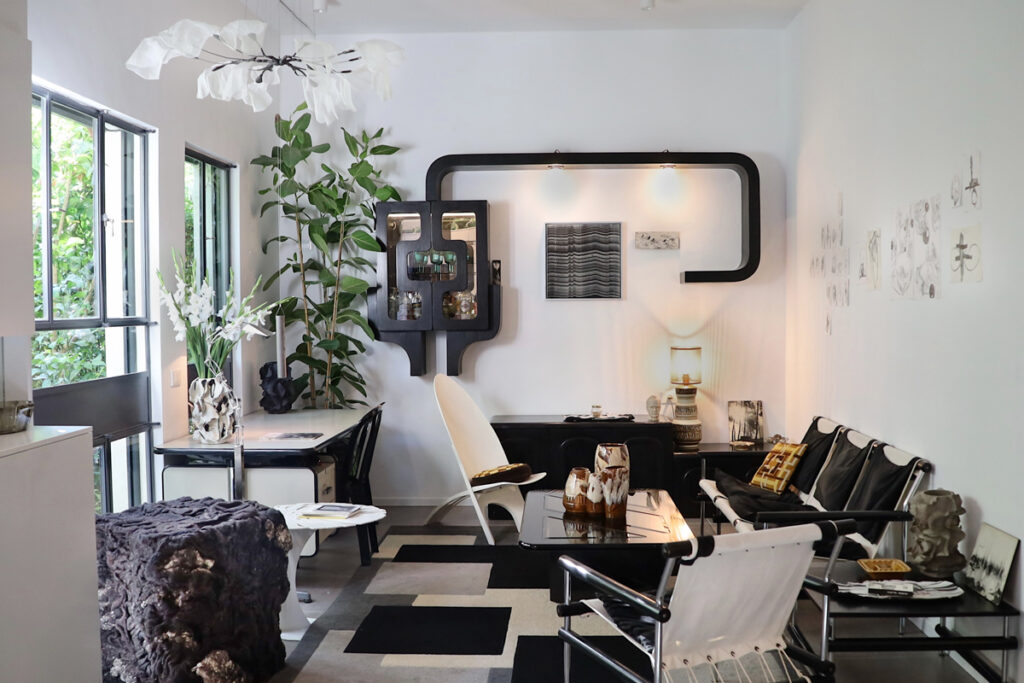
Frezia Gallery. Exhibition NEGATIVE-POSITIVE

And you do that beautifully in your own space — the way you style, combine art, furniture, and lighting is fantastic. Can you share a few practical tips on how to mix vintage with modern pieces?

Of course — though these are just my personal tips.

Tip 1: Don’t be afraid of change.
A home should never feel “finished.” Design is an ongoing process. I love change – that’s partly why I do what I do. I often buy a piece simply because I love it, without knowing exactly where it will go. I bring it home, play around, move things, and eventually it finds its place. So yes, embrace change. In design, change is always good.

Tip 2: Mix different eras and styles.
Don’t be afraid to combine things that seem unrelated – they often come together beautifully.
For example, I mix mid-century modern furniture with Israeli contemporary art. They’re from completely different worlds, but together they create a unique harmony. The result is eclectic, warm, and full of personality. Mixing contrasts – old and new, rough and refined – always gives depth to a space.

Tip 3: Trust your gut.
Don’t limit yourself to one style. In my home, we have everything: brutalist concrete walls, modern lighting, raw metal furniture, and classic vintage pieces. The mix feels alive. If you love several styles – follow that instinct. Your gut is everything in design. Change, mix, experiment – that’s where creativity lives.

50 | 50, 2025 Alisa Andruson
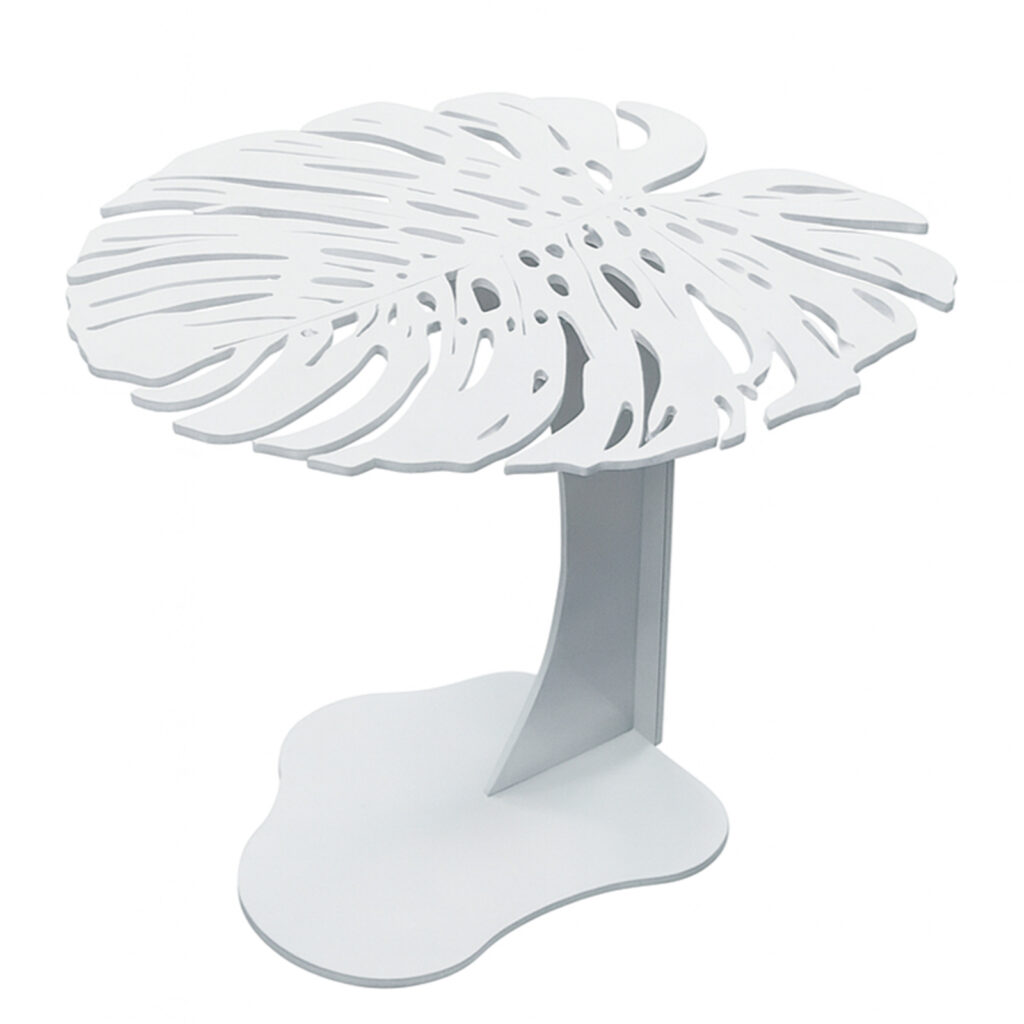
Monstera Table, 2021 Yael Zimmerman

And are there any stories behind particular pieces in your gallery? Something you bought because you loved it, and later discovered an unexpected story behind it?

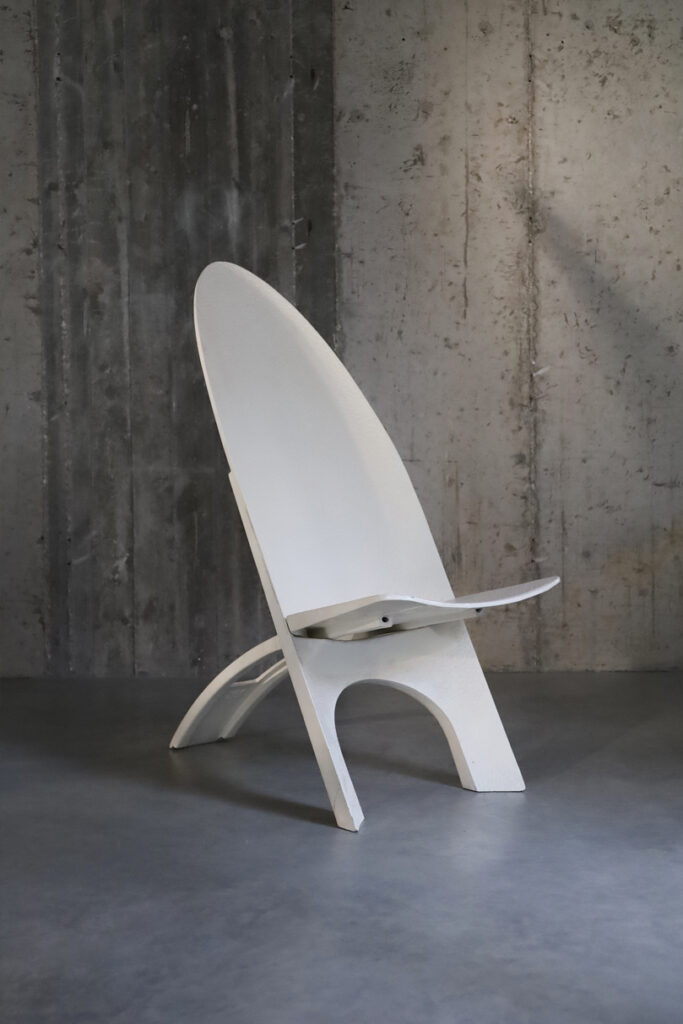
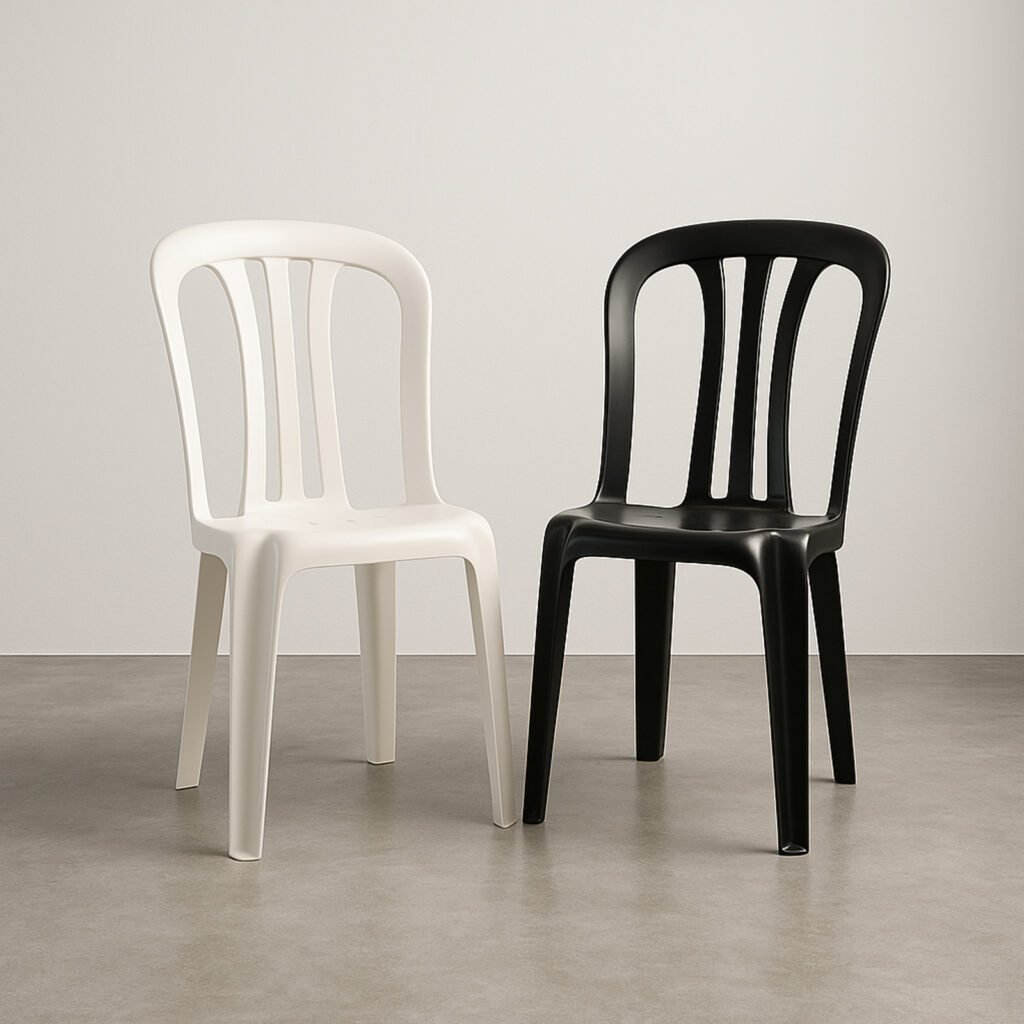
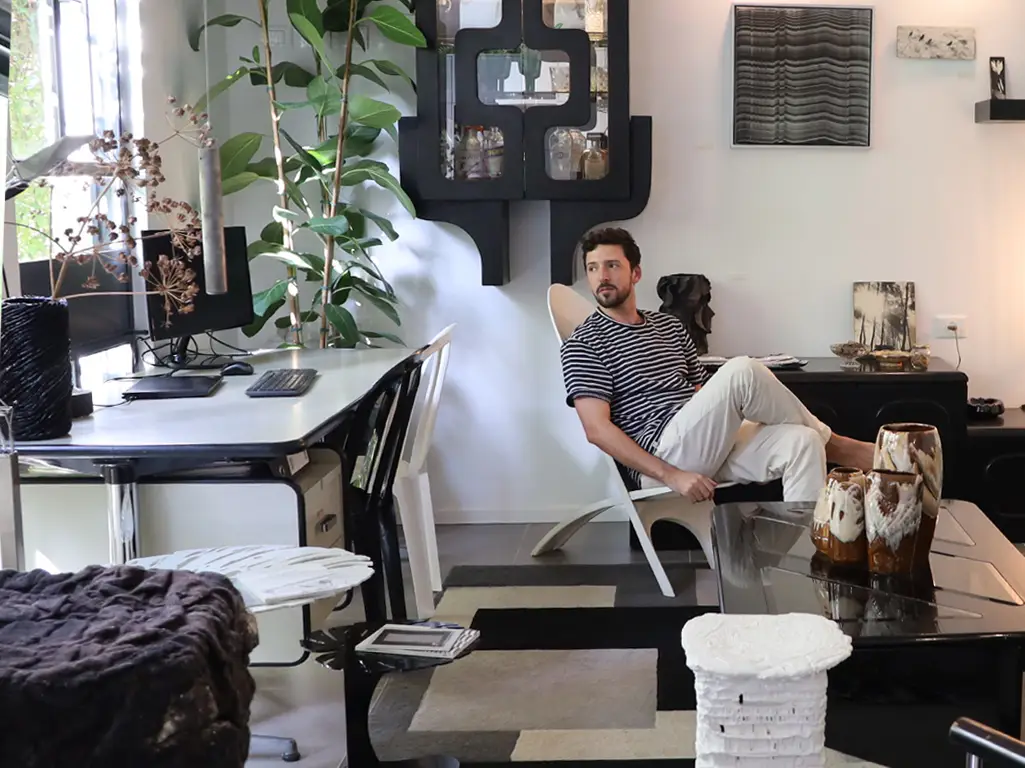
Actually, yes! There’s a chair in the gallery with a fascinating story. The story is connected to our current exhibition, Negative /Positive. The theme is black and white, but also contrast, duality, and dialogue. We completely transformed the space for this show. Before, it was colorful and vibrant – now it’s minimal, graphic, very conceptual. The curatorial challenge was to present Israeli design within this black-and-white framework. We sold many items, brought in new ones, and in the end, there was only one piece I hesitated about keeping – this particular chair. I was sure it wasn’t Israeli design, but it looked perfect in the space. So we decided to leave it for the opening, just to see how it felt.

We found it two years ago in Guy’s grandparents’ house in Ra’anana — unused and almost new. I recognized it immediately as a very iconic piece, designed by a German designer,  Dr.B.Schwarz , for a Dutch company and couldn’t imagine how it got there. Later, while researching Israeli design, I discovered it had been produced in the 1970s by a kibbutz plastic factory, Gesher HaZiv. The factory had bought two plastic injection machines from a Dutch manufacturer — and those machines came with the original molds for this chair. They made about a hundred pieces for kibbutz members and friends without ever informing the original designer or company. So technically, it’s not an Israeli design, but it’s the most Israeli story ever. (laughs). That’s why I decided to keep the chair in the show.

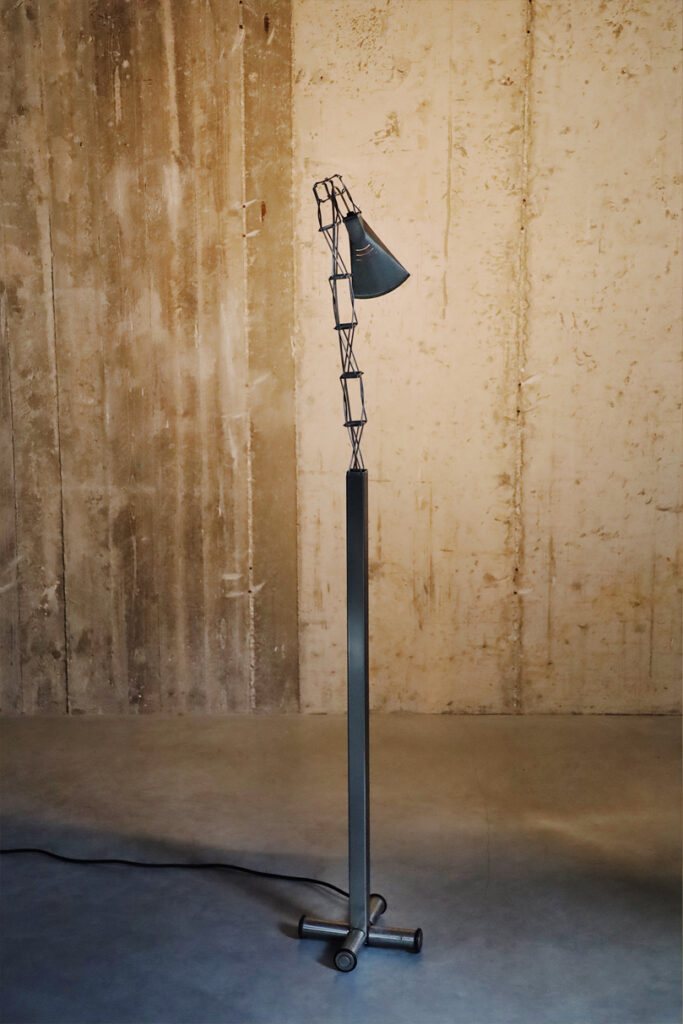
Multi X” Floor Lamp, 1980s Yaacov Kaufman
“Steckstuhl” Chair, Late 1970s Dr.B Schwarz-Gesher Ha-Ziv

That’s a brilliant story. And what about the rest of the exhibition — can you tell us about some of the other design pieces?

Of course. As I mentioned, the exhibition Negative/ Positive explores contrast, not just in color, but also in generation and material.

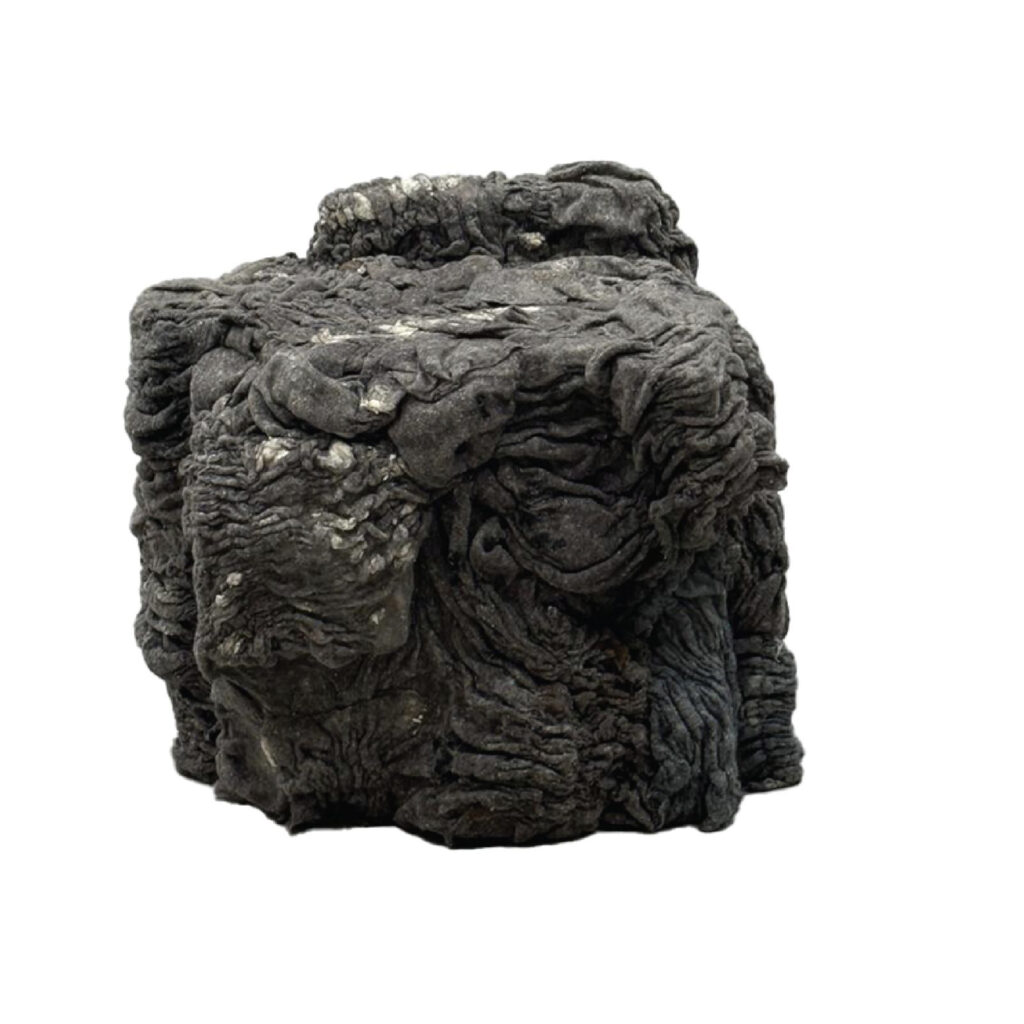
For example, we feature two young Shenkar graduates – one of them, Efrat Dukan, an industrial designer,  created a floating, cloud-like object. Beneath it sits a stone-like pouf, heavy and grounded, designed by textile designer Alisa Andruson. The contrast between the lightness and weight creates tension and beauty.

Then, on the other side, we show works by iconic Israeli designers, such as Yaakov Kaufman with Multi X lamp, designed for Lumina,in the 1980s. One of the outstanding success stories of Israeli designers around the world.

Another central piece in the exhibition is a miznon — a large, multifunctional cabinet from the 1980s. It was custom-made for a private home and includes everything: a hidden bar, a record-player shelf, drawers for family photos, and even lighting inside.

In the 1950s and 60s, when Israeli apartments were small, people needed furniture that served multiple purposes. The miznon became the heart of the home – functional, social, and aesthetic at the same time. For me, it’s the most “Israeli” piece of furniture ever created.

We also showcase Kad-Yad pottery – the first Israeli ceramic producer, founded in the 1950s, alongside the work of contemporary designer Tali Zelnik who transforms vintage vases into modern lamps. It’s a beautiful dialogue between past and present.

And finally, Alpha Furniture. The design scene in Europe was flourishing back in the 1960s-1970s, but in Israel it was still very limited. And that’s what Alpha Furniture tried to change – quite bravely, I must say. They invited leading European designers to create furniture especially for the Israeli client – modern, innovative, in tune with what was happening in Europe. One of those designers was Niko Kralj, a Yugoslavian designer who’s still one of the most important Serbian designers today.

He designed this set – sofa and armchair – that was extremely modern and very un-Israeli at the time. Clean lines, raw materials, minimalistic and bold. I knew I wanted it for this exhibition because of its story – an international designer who created specifically for Israel. It’s very rare. I searched for months and finally found it in Rishon LeZion, in the home of an elderly lady. Her children were telling her, “Mother, you have to get rid of all this old furniture, it’s not fashionable anymore.” When I explained that it was for an exhibition about Israeli design, she was so excited and happy that someone still appreciated its history and beauty.

Untitled Peter Merom

You also mentioned some other interesting pieces in this exhibition. Can you tell us about them?

Yes. We also have stools made by Arie Franco, an Israeli architect and designer based in London. They’re made entirely of cardboard – very sculptural and conceptual.

And of course, we included pieces by my sister, Yael Zimmerman. She’s an industrial designer, incredibly talented. Most of her works are made from aluminum, laser-cut and hand-finished. The Monstera tables she made five years ago are part of this show. They fit perfectly into the black-and-white theme – elegant, minimal, yet full of personality.

Tell us about the art displayed in the exhibition that integrates with the design elements ?

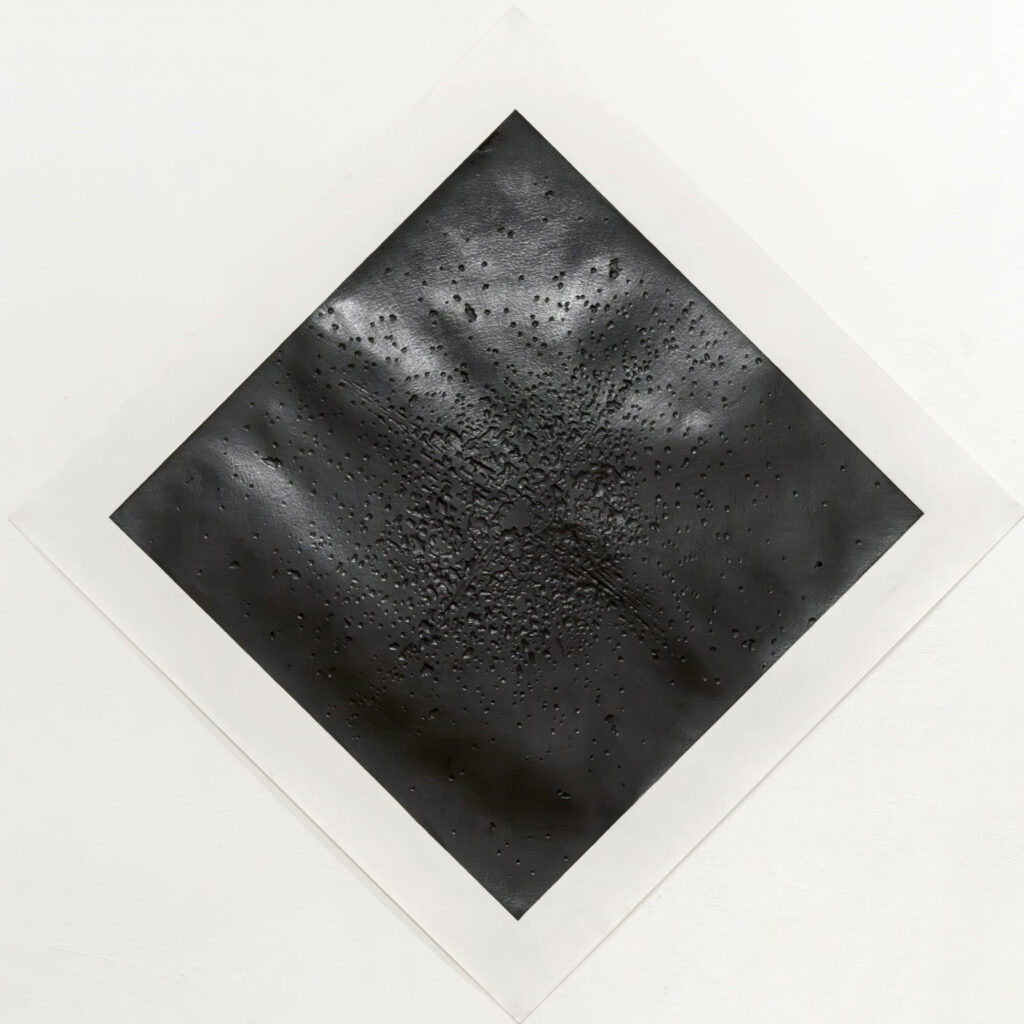
We are showcasing works by the artist Tamir Chen , an Israeli artist who came here for a residency. He actually lived in the gallery-house for two weeks while we were away – he slept here, worked here, and created a beautiful series inspired by the objects and materials around him. For example, as a child, I used to collect fossils – and Tamir created a whole series of “fossil-like” drawings inspired by that. He’s a very talented artist, and his connection to this space made the works feel even more personal.

We are also showcasing works by Peter Merom, one of Israel’s very first nature photographer. He focused mainly on landscapes and nature. He passed away two years ago at the age of 102 – truly one of the pioneers of Israeli photography. His works are black and white, of course, and he often photographed places like Agamon Hula. There’s something incredibly emotional about his images – quiet, meditative, yet full of life.

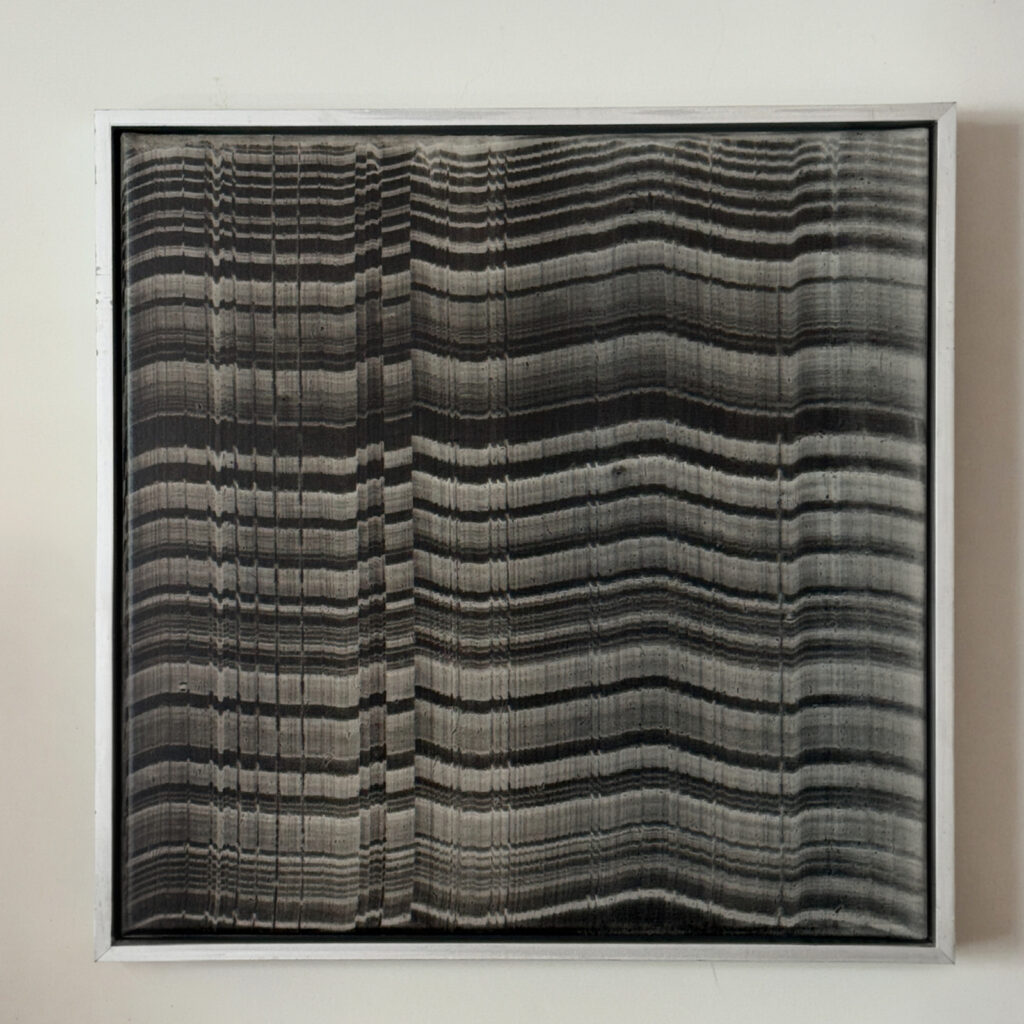
Another artist featured is Miriam Kabessa – one of Israel’s leading female artists. She paints using her body – not just her hands, but her entire body – moving slowly and rhythmically to create abstract yet deeply structured forms. She mostly works with oil paints, and the process itself becomes part of the artwork. It’s very sensual and powerful.

The exhibition also features works by well-known and highly regarded Israeli artists in various fields, such as Brothers of Light, Netta Laufer, Eshchar Hanoch Kleingbiel, Tal Simon, Eden Ohana, and Hagai Farago.

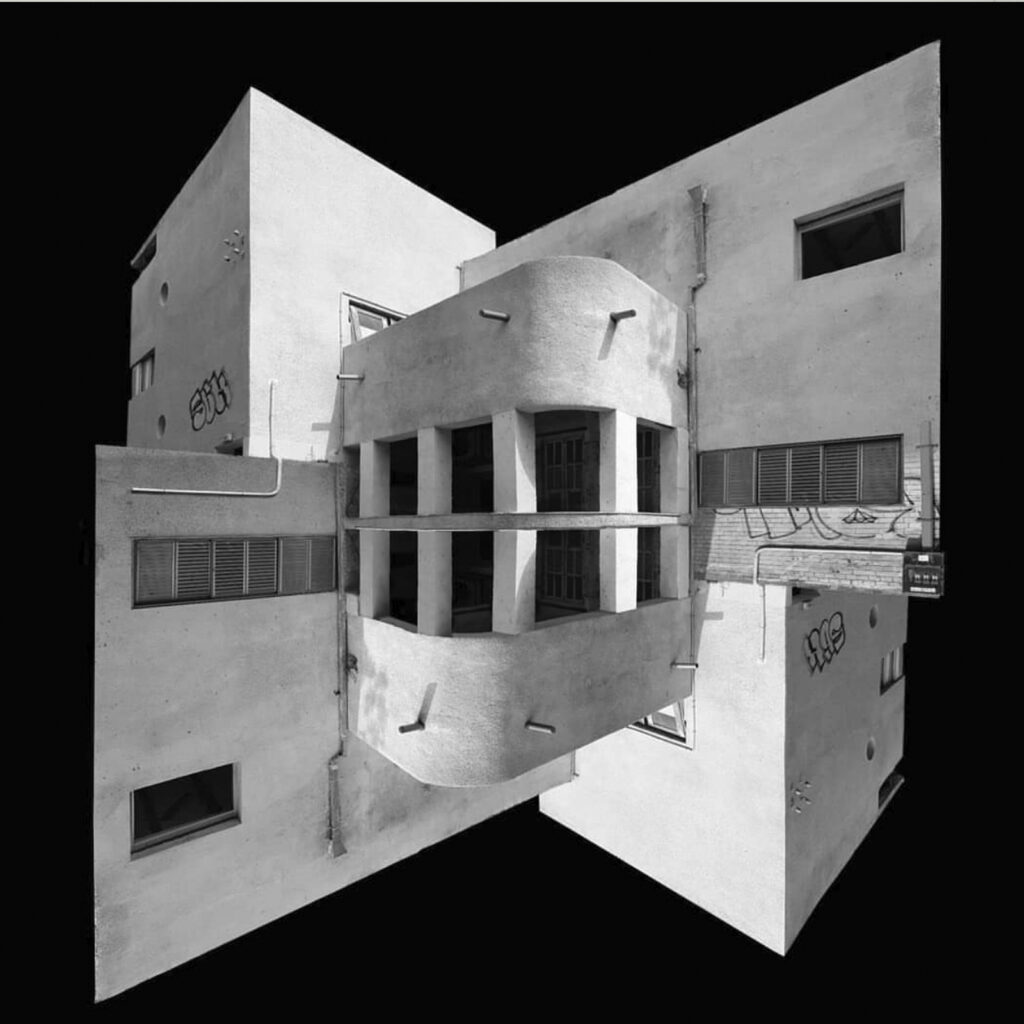
Balfour 57, Tel Aviv, 2019 Hagai Farago
Polaris, 2025 Eshchar Hanoch Kliengbiel
Untilted, 2007 Miriam Cabessa
Plastic Monobloc Chair ,1980s–present Keter Plastic

The color palette of the exhibition is mostly black and white, but I noticed some warm beige and brown tones — in the ceramics, the lamps, even the dried flowers. Why did you choose to add a third color?

Completely black and white can feel too harsh, too sterile. For me, design needs to remain livable. Since we actually live in this space, it was important to soften the contrasts and make it feel warm and welcoming. That’s why we added natural tones – beige ceramics, brown lamps, a few pillows, dried flowers. These touches calm down the black-and-white scheme and make the space feel more peaceful and complete.

That’s true – the space feels beautifully balanced. It’s a perfect example of how one can live comfortably within a design environment.

Exactly. That’s what I always wanted to prove – that design doesn’t have to be distant or “museum-like.” When people visit showrooms, they often admire the beauty but think, “It’s not for real life.” But when you walk into our space, you immediately feel it’s different – you understand that you can live like this. It’s aesthetic, yes, but also practical, cozy, and personal. That’s the essence of good design.

Why did you start to collect Israeli contemporary art and how do you choose art for your gallery?

I wanted a collection that would never bore me, one that would keep me excited for years to come. Art felt like the right direction. We chose to narrow it down to Israeli contemporary art because that’s what we truly love. There’s this immediate emotional connection – a “click.” And we believe that good art reflects life – it tells stories that guide and mirror us.

We focus on young artists – roughly between 25 and 45 years old. We want to support emerging Israeli artists, especially financially. And we also view art as a long-term investment. We believe that some of these artists – the ones in their 30s and 40s today – will become the leading Israeli voices of the next 20 or 30 years. They’re telling the story of what’s happening in Israel and Palestine right now, in real time.

The second thing we look for is depth and authenticity. The work should be beautiful, but not decorative – meaningful, but not overly cynical or “pop.” So our collection is quite diverse: we have painters, mixed-media artists, photographers, many of whom deal with social or political subjects, exploring the Israeli–Palestinian context. Israel is made up of so many people from different backgrounds — it’s like a patchwork quilt. Through art, we try to capture those multiple layers, those intersecting stories.

That’s a beautiful approach — the gallery feels like a philosophical project as much as a physical space.

Exactly. There’s a lot of thought and emotion behind everything we do. Our mission is to grow this collection and to make it both strong and meaningful over time. And there’s one rule we always follow: we never buy an artwork unless we meet the artist in person. It’s a very personal process for us.

We invest not only financially, but emotionally. If we don’t feel a personal connection, if there’s no trust, no click, we simply don’t buy. Sometimes artists are surprised by this. For example, when we wanted to buy a major piece from Netta Laufer, who’s already quite established, we invited her to visit us. She was a bit hesitant at first, maybe even nervous. But we explained that we’re still young collectors, only in our 30s, and when we invest significant amounts, we need to feel that connection. We want to know the person behind the work. We met and immediately clicked. The meeting went on for several good hours, and we’ve been friends ever since.

Brothers of Light, 2018
Untitled, 2025 Tamir Chen (Residency)

We really love how you combine everything together in these beautiful compositions. Do you have any tricks for that?

Actually, yes — technology helps a lot! (laughs) Lately I’ve been using AI tools to visualize ideas. Before turning this space from the green room into the black-and-white exhibition, I uploaded a photo into an AI generator, added the objects I planned to use, and asked it to reimagine the space. It’s a great way to explore possibilities before making real changes.

Another trick is constant rearranging. In this room, I moved the mirror every day for a month until it felt right. I changed lamps, chairs, everything — until one day the space simply settled. Sometimes it feels like the object itself says, “This is where I belong.”

And one more tip: I take lots of photos during the process. At night, when everything is quiet, I look at them on my phone, and the image gives me a fresh perspective. I often notice things I missed during the day — and in the morning, I start rearranging again.

If someone wants to start collecting — art, vintage, or design — what’s your advice?

First of all, come to me. (laughs) No, seriously, my main advice is don’t be afraid. When you start collecting, you don’t yet know your taste. Everything is raw. So follow your instincts. If you feel that strange pull – that “I need this piece” feeling – trust it.

Buy the first piece without overthinking. Then analyze later, why did I love it? What does it say about my preferences? That’s how you start shaping your taste.

The second piece is actually harder, because now you start thinking strategically: what direction should I go? Modern? Vintage? Photography? That’s when it helps to talk to an expert or a gallerist for guidance.

And for those who’d like to visit the gallery — how can they do that?

When we have exhibitions, like this one, the gallery is open to the public: Wednesdays from 5 p.m. to 10 p.m., and Fridays from 11 a.m. to 12 p.m. – until the end of November.

For private viewings or specific items, visitors can contact me directly to arrange an appointment. We also host special evenings and talks. For example, on November 14, I’ll give an open lecture about Israeli design – how we define it, what makes something “Israeli design.” Is it about the creator, the production, or the spirit of the work? It’s going to be very interesting.

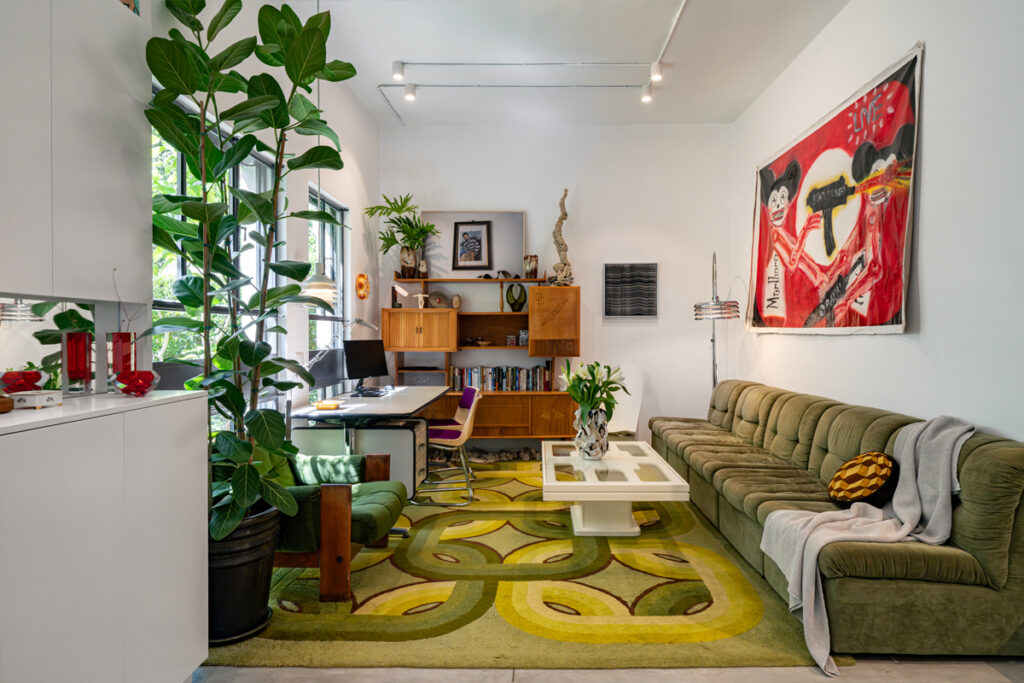
Frezia Gallery. Exhibition GREEN ROOM
Frezia Gallery. Exhibition NEGATIVE-POSITIVE

On the cover: Yuval Zimmerman in Frezia Gallery. Exhibition NEGATIVE-POSITIVE

Interview by Nadia Kraginskii and Olga Goldina for DI CATALOGUE