
Margom – Textile Edge
- Oct 10 2025 - Aug 25 2026
- Ongoing...
- Joe Alon Center
- Joe Alon Center, Lahav, Israel
- Website https://www.joealon.org.il/
Margom – Textile Edge
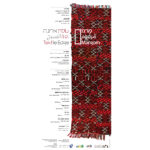
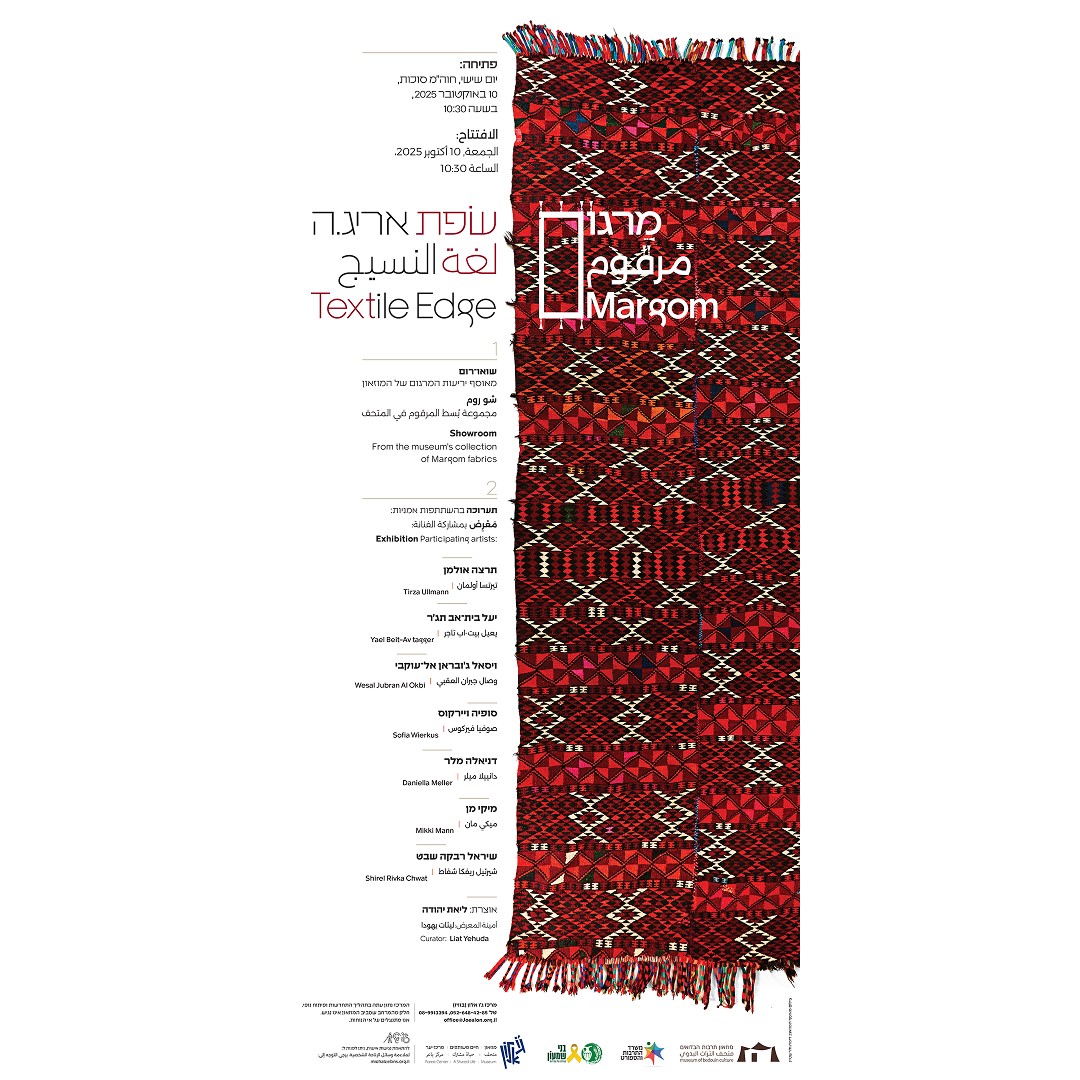
Margom — spelled مرقوم (markom) but pronounced “margom” in the Bedouin dialect — is a traditional “warp and weft” weaving technique where the threads are interlaced to create symmetrical mathematical designs.* The name is derived from the Arabic word for “number” (رقم, raqm), reflecting its mathematical nature. The vertical threads, called “warp,” serve as a foundation for the fabric, while the horizontal threads, called “weft,” are woven through them, crossing over and under, and then spaced out and pushed to create the cloth. Margom is used to weave rugs, tent cloth and other items made of camel hair yarn, dyed wool yarn and goat hair yarn. Sometimes different types of yarn are woven together to create striking eclectic fabric designs, while other woven items are made from only one type of yarn to showcase the yarn’s unique properties. For example, goat yarn, which is naturally greasy, is used for weaving the roof of Bedouin tents because of its ability to repel rainwater and provide thermal insulation. Margom cloth is double-woven with reinforcing knots that give the ends a cylindrical shape. The resulting fabric is stiff enough to serve as a protective roof, a partition, or a back wall that supports the structure of the tent.
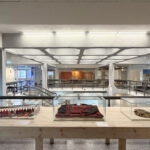
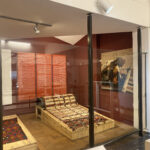
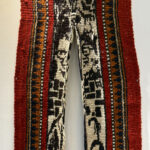
The collection of Margom fabrics at the Museum of Bedouin Culture has grown and evolved over many years. Displayed at the heart of the museum, the fabrics were initially hung vertically under the museum’s high ceiling, parallel to the building’s support columns. This vertical arrangement gives the fabrics an appearance of engineering strength. However, in Margom weaving, the technique that gives the fabrics their stiffness, the loom is laid on the ground horizontally. With new developments in the science of conservation, new display methods have been emerging. Despite the fabrics’ natural strength, years of vertical hanging weaken them and shorten their lifespan. Thus, worn-out fabrics have recently been taken down for a well-earned rest in the museum’s storerooms. Visitors can still see photographs of the fabrics in a video that plays in the museum space, and the fabrics themselves are taken out for short periods and displayed horizontally so as not to stress them. In this new display, we present the beauty of traditional local Bedouin craftsmanship, seeking to preserve and commemorate this disappearing culture for local posterity.
You are invited to visit and find out more about the Margum objects stored in the museum.
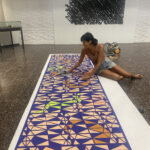
The exhibition presents artworks created by contemporary women artists in response to the museum’s collection of “margoms”. Exposed to the visual and material language of these traditional textiles, the artists discovered a constitutive text, so to speak — a support of warp and weft, inspiring the creation of hermeneutical layers that can affect a clearer thinking about local existential current events.
Curator: Liat Yehuda
Photo credit: Dima Valrshtein
______________
מרגום; שפת אריג.ה
מרגום בהגייה הבדואית – מרקום (مرقوم) בתעתיק הערבית הכתובה – היא שיטת אריגה מסורתית המתאפיינת בשזירת שתי וערב סימטרית-מתמטית.* שם השיטה נגזר מהמילה מספר (רַקְם, رقم) המשקפת את אופייה המתמטי. בבסיס האריגה נשזרים חוטי אורך ורוחב בשתי-וערב; חוטי השתי משמשים בסיס (שת=בסיס); חוטי הערב מתערבים בחוטי השתי ולמעשה נשזרים בהם לחלופין בהידוק ובציפוף. המרגום משמש באריגה של שטיחים, ביריעות אוהל ובחפצים שונים העשויים סוגי צמר מגוונים: צמר גמלים, צמר כבשים צבוע ושער עיזים. פעמים סוגי הצמר השונים שזורים יחד למצע אקלקטי מרהיב, פעמים בנפרד כדי להפיק מיתרונו של הצמר שימוש מובחן. למשל, שער העיזים השמנוני מטבעו נארג ליריעת תקרה כי בכוחו לאטום חדירה של מי גשמים וקור לפנים האוהל. נוסף על כך, המרגום מתאפיין באריגה כפולה ובשילוב של קשרי חיזוק היוצרים צורה גלילית בקצות האריג. כך מתקבלות יריעות קשיחות דיין לשמש תקרה מגוננת, מחיצה מפרידה או פאה הניצבת כגב אוהל ותומכת אותו.
אוסף יריעות המרגום צמח והתהווה במוזאון תרבות הבדואים והוצג במרכזו שנים ארוכות. היריעות נתלו במנח אנכי תחת תקרתו הגבוהה של המוזאון ובמקביל לעמודי התמך של הבניין. אופן הצבה זה שיווה ליריעות חוסן הנדסי קמעה, אלא שכוחן המייצב נוצק בהן דווקא משנארגו בטכניקת אריגת המרגום הבדואית על נול אדמה, מכשיר אופקי צמוד קרקע ומקביל לה. אולם עם התפתחות ידע השימור במוזאונים, הולכות ומתגבשות בהם צורות הצבה חדשות. על אף חוסנן הטבוע של היריעות, תלייה אנכית מכבידה ומחלישה אותן ומקטינה את סיכוייהן לשרוד שנים ארוכות. על כן, יריעות העייפות ממשאן הוצאו לאחרונה למנוחה מטיבה במחסני המוזאון; עם זאת, הן מוצגות לראווה כסרטון הנפשה של תצלומיהן ובהצבה החושפת אותן לפרקי זמן קצרים, במנח אופקי בלתי-מְאמץ. בהצבה מחודשת זו אנו מציגים את יופיים המרהיב של חפצי תרבות חומרית בדואית מקומית, ועם זאת מבקשים לשמור ולהותיר זיכרון מתרבות הולכת ונעלמת למען הדורות הבאים.
* שמה נגזר מהשורש רק”ם (رقم) המקביל לשורש העברי בצורתו ובמשמעותו.
מוזמנים ומוזמנות לבקר ולגלות עוד על חפצי המרגום האצורים במוזאון.
הצבה זו חוברת לתערוכה חדשה שמציגה עבודות אמנות עכשוויות בהשתתפות האמניות: תרצה אולמן, יעל בית-אב תג׳ר, ויסאל ג׳ובראן אל-עוקבי, סופיה ויירקוס, דניאלה מלר, מיקי מן, שיראל רבקה שבט. האמניות שנחשפו לשפה החזותית-חומרית של היריעות המסורתיות גילו בה מעין טקסט מכונן – מצע שתי וערב כהשראה לבריאה של רבדים פרשניים שבכוחם לעורר חשיבה צלולה על ארועי שעה מקומיים, קיומיים.
אוצרת: ליאת יהודה
צילום יריעה מאוסף המוזאון: דימה ולרשטיין

- Oct 10 2025 - Aug 25 2026
- Ongoing...