
MAGAZINE
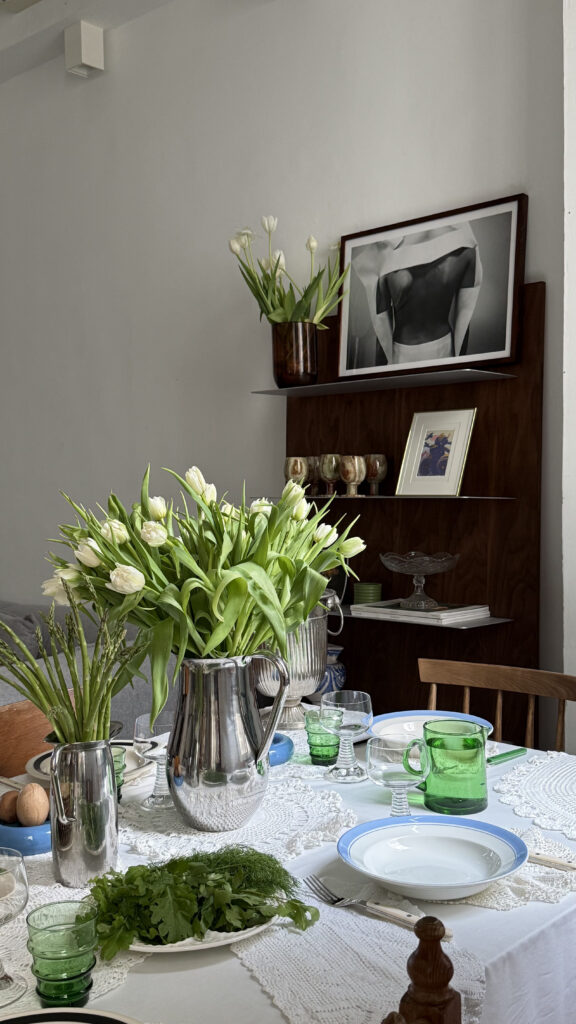
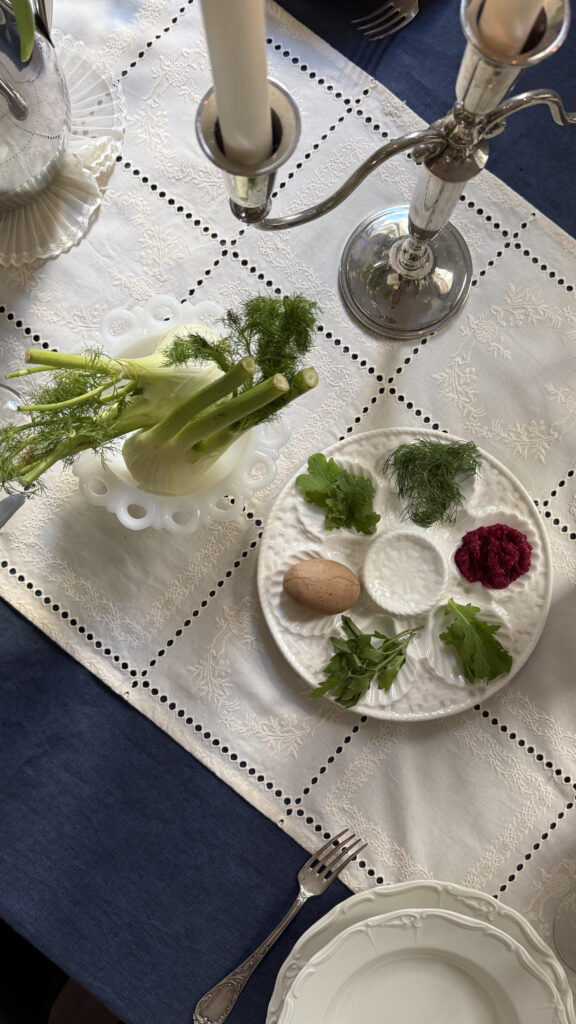
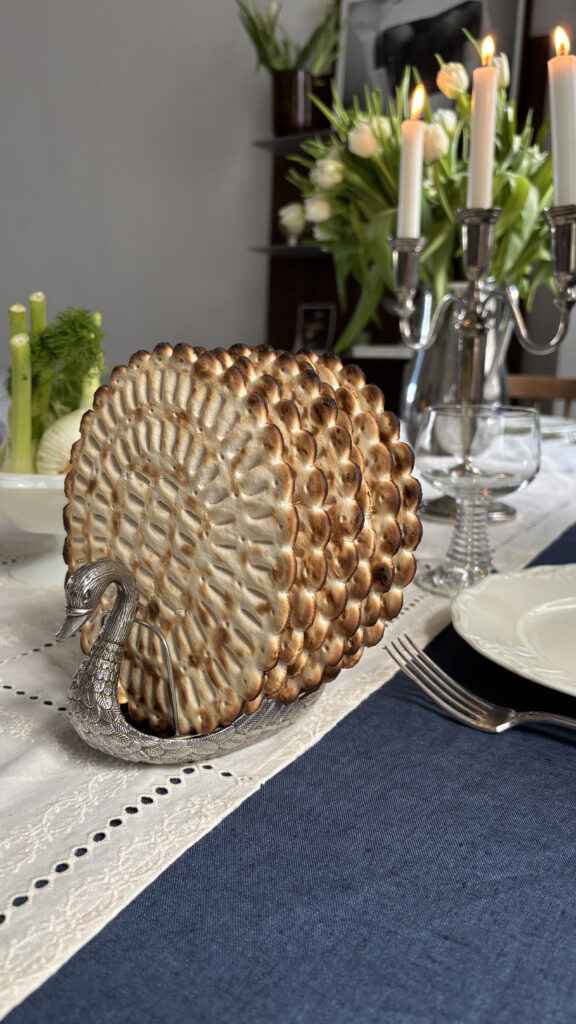
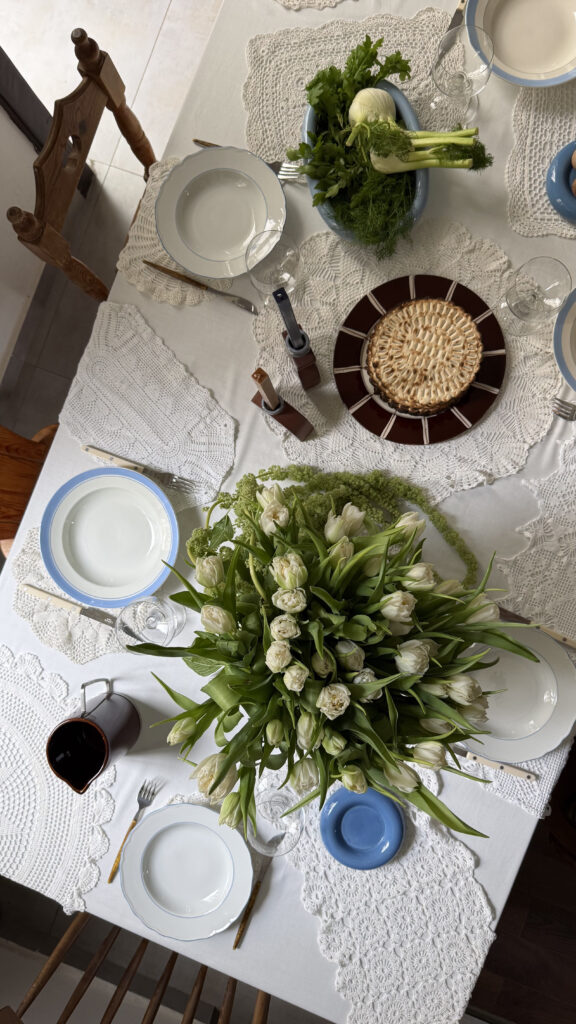
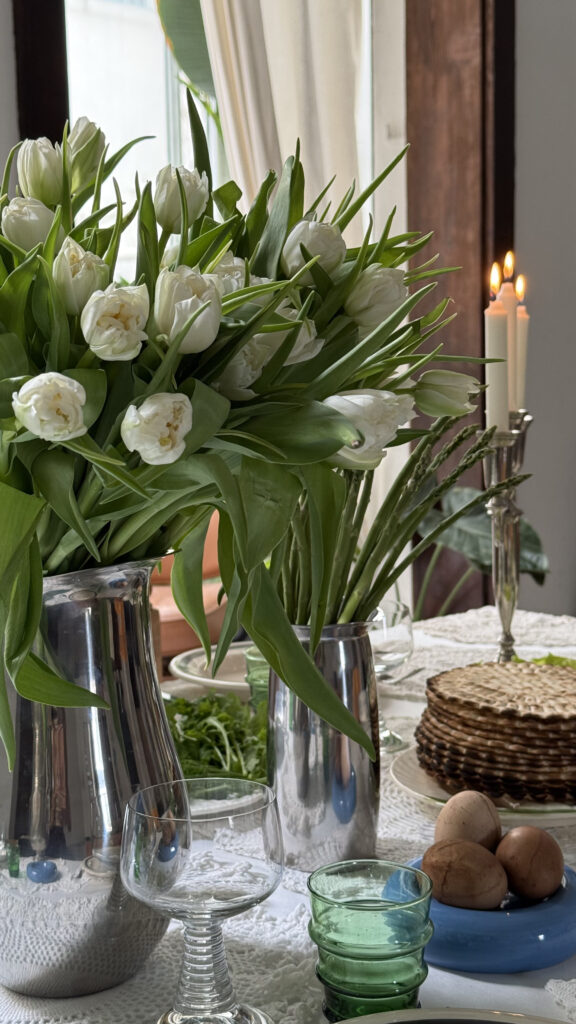
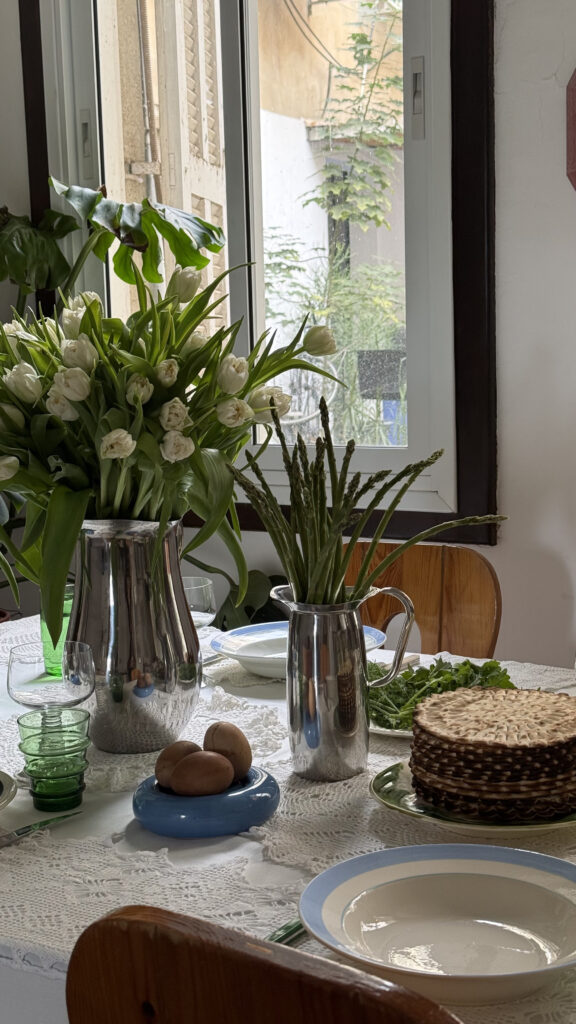
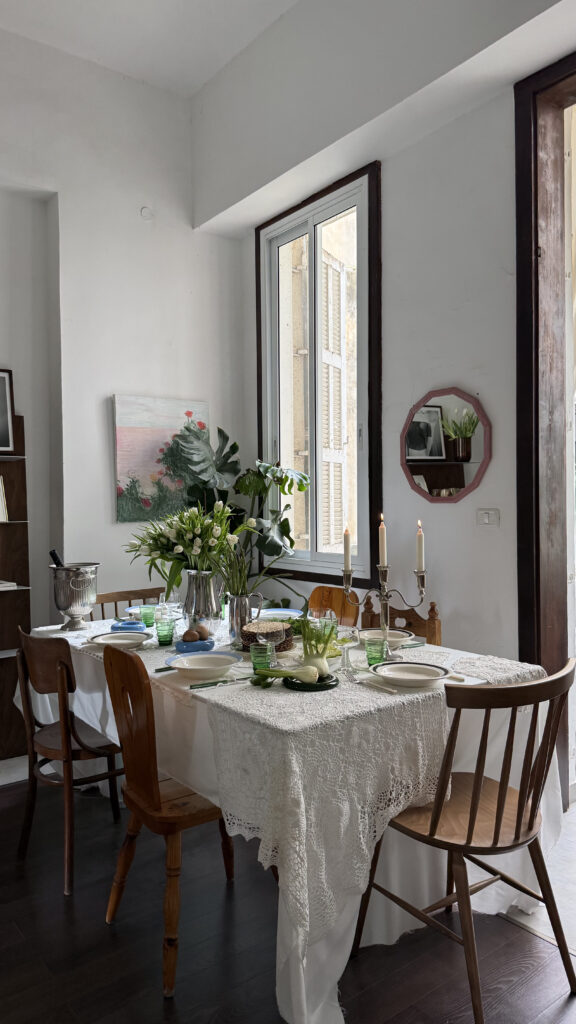
Before Passover: 6 Table Styling Principles That Will Make Your Seder Unique



Related Posts

The Beauty of a Second Chance: Conversation with Esty Ahimeir

In a culture driven by the new, the polished, and the immediate, choosing something with a past can feel almost radical. Yet this is precisely where the quiet power of design begins: in objects that carry memory, texture, and time.DI Catalogue met with Esty Ahimeir, co-founder of Just a Second, a Tel Aviv-based NGO, working at the intersection of urban renewal, circular economy, and contemporary d...
Express refresh: Set Your Home for Holiday and Guests
Holiday hustle doesn't have to mean stress. To instantly transform your home before guests arrive, focus on tackling "visual noise." Designer and Editor of DI CATALOUGE Olga Goldina shares a simple algorithm to fill your space with air and a sense of calm.
1. The "Clean Surfaces" Rule
Start by clearing off everything on your counters, TV stands, and shelves. Leave only a few large it...
5 SIMPLE WAYS TO REFRESH YOUR INTERIOR FOR PASSOVER
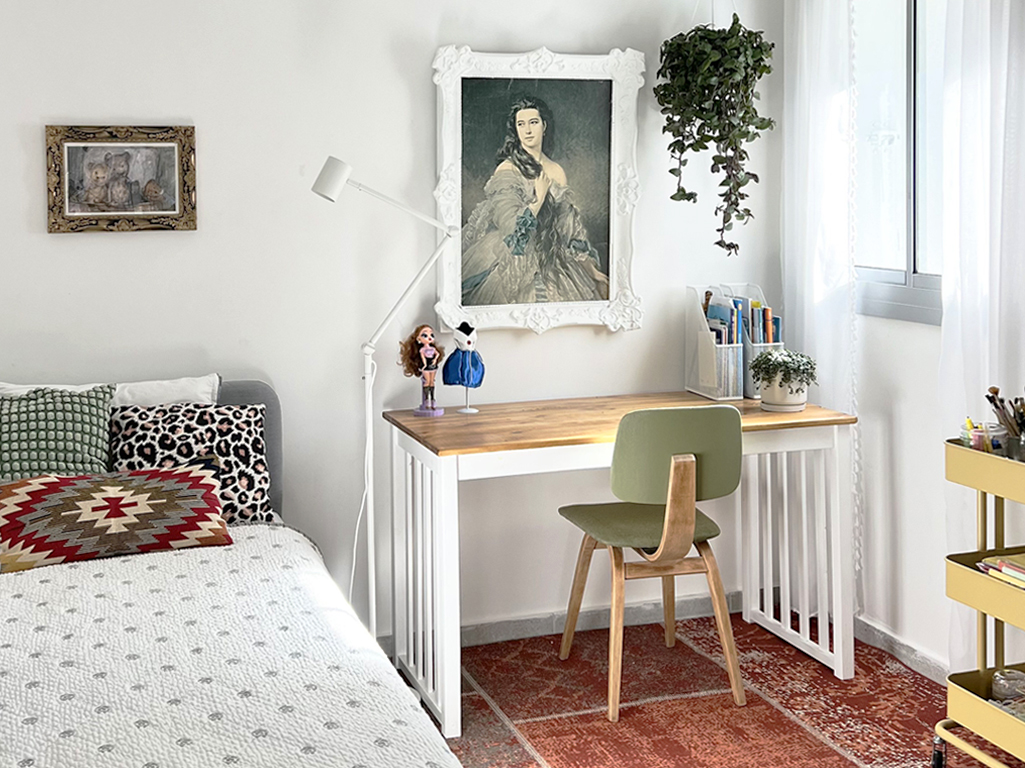
In the lead-up to Passover, it’s customary to give special attention to the home: to declutter, let go of the unnecessary, and introduce something new. It’s a time to refresh, to decorate, and to fill the space with a sense of clarity, lightness, and comfort.Designer, stylist, and DIY blogger Sveta Bromberg shares with DI CATALOUGE five simple yet effective ways to transform your home and create a...
Between Inches and Centimeters: Designing Across Cultures
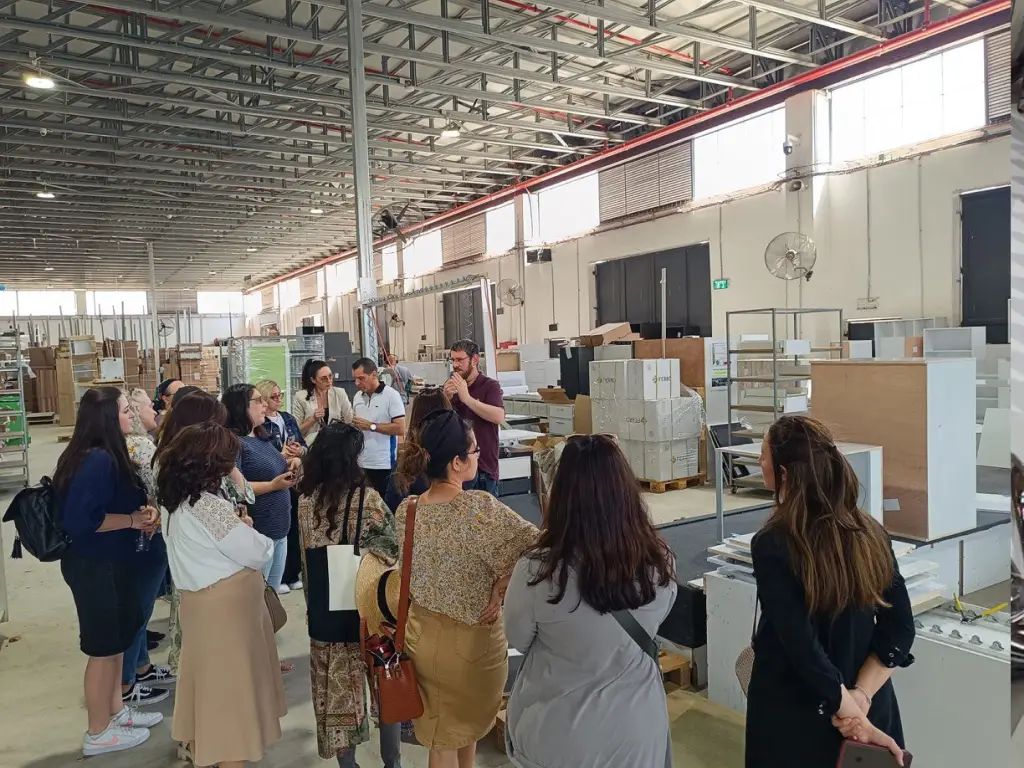
Growing up between American and Israeli worlds, interior designer, lector and founder of community for English speaking interior designers in Israel Yael Steinberger has built her practice on bridging gaps in cultural and design standards and expectations, helping English speaking clients and interior designers to navigate in Israel. In our conversation with Yael we spoke about differences in stan...

Maison & Objet January 2026: Trends and Highlights
Every January, Paris becomes a focal point of ideas, and Maison&Objet is not just an exhibition, but an indicator of where the design industry is heading. In 2026, this direction is articulated with particular clarity through its theme - PAST REVEALS FUTURE. Our correspondent Maria Beregovaya, Israeli interior designer with her private practice in Paris, shares her impressions and professiona...
Hanukkah Menorahs that will Add Light This Year
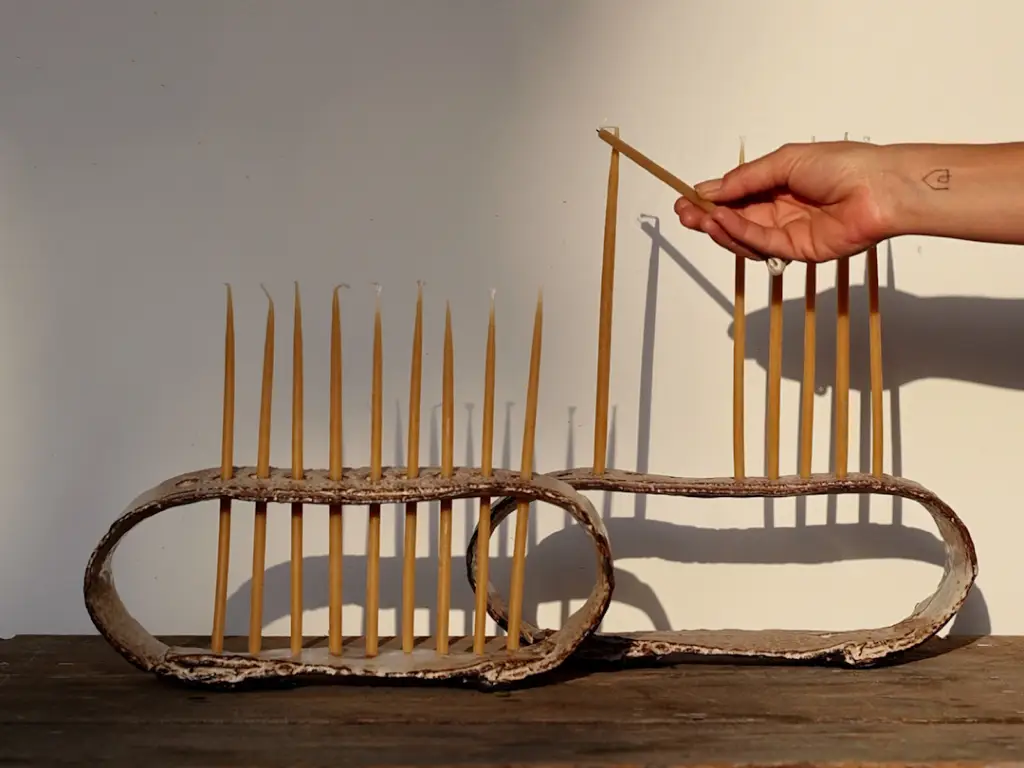
Today, in the last day of Hanukkah as the 8th candle is to be lit, we are happy to share with you this amazing collection of selected Hanukkah menorahs. This review brings together artists from the short list of finalists of our Open Call Hanukkah Edition that we made in collaboration with art curator Ela Cohen and ECLECTICTLV project as a curated invitation to artists working with material, ligh...

You In the Frame! Tips from Photographer Iya Volkova. For Creative Professionals.
Photography is a way to tell your story. It’s more than how you look - it’s how you "are": through light, posture, space, and mood. When a frame holds meaning, it becomes more than beautiful - it becomes real. We spoke with a talented photographer Iya Volkova - someone who notices light in ordinary moments, captures atmosphere, and reveals individuality. Iya’s main principle: photograph life, not ...
Maison&Objet, September 2025: Designer Maria Beregovaya Take on Trends and Highlights
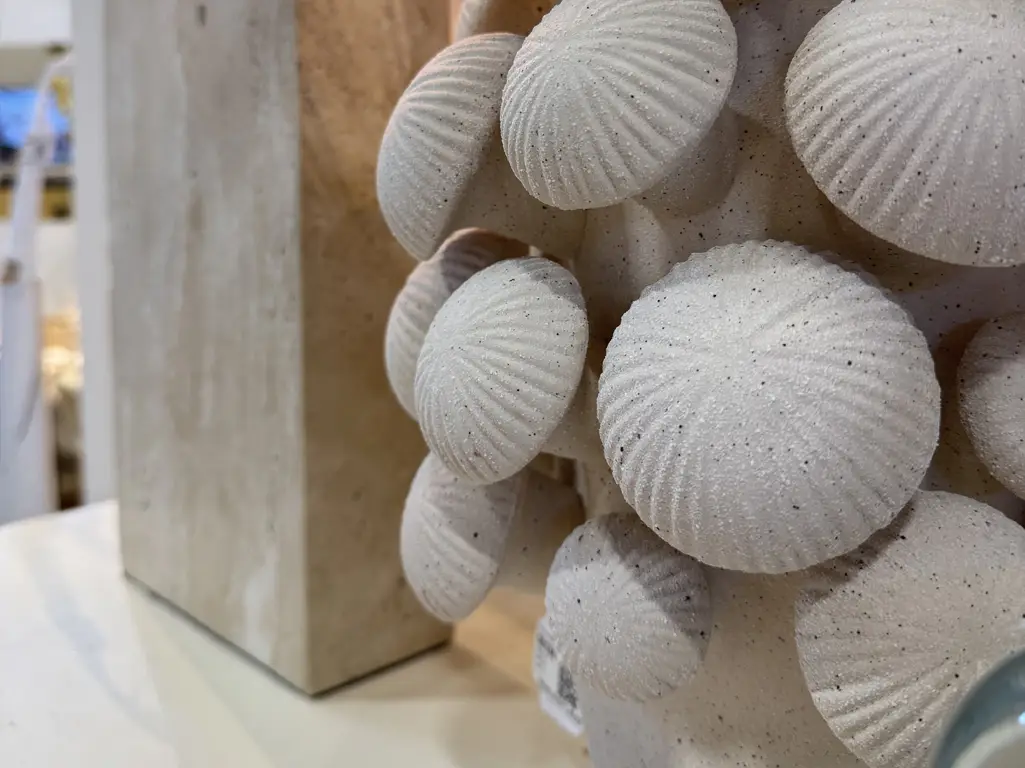
Paris’s Maison&Objet Design Fair is a cornerstone for interior designers worldwide. Maria Beregovaya, interior designer and our correspondent from Paris, shares her impressions and professional insights on the second design exhibition in Paris this year.
It should be noted that this exhibition was smaller and more focused on décor than on furniture, compared ...
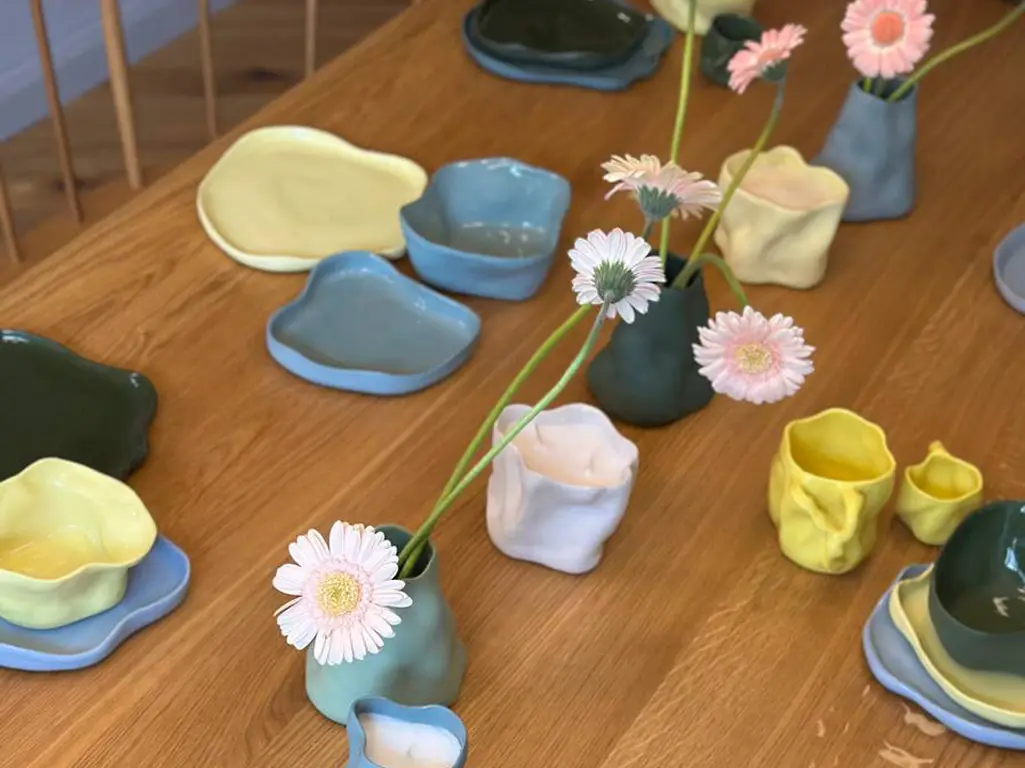
A Lifehack for Product Designers: How to Show Your Work “in Action”
Many product designers face the same question: how can you showcase your work to clients if you don’t have a showroom? How do you let people not only see an item in a photo, but also experience it in real life—touch it, and imagine it in their own home? An excellent example of this approach was presented by designers in London during the London Design Festival 2025. Instead of a traditional galler...
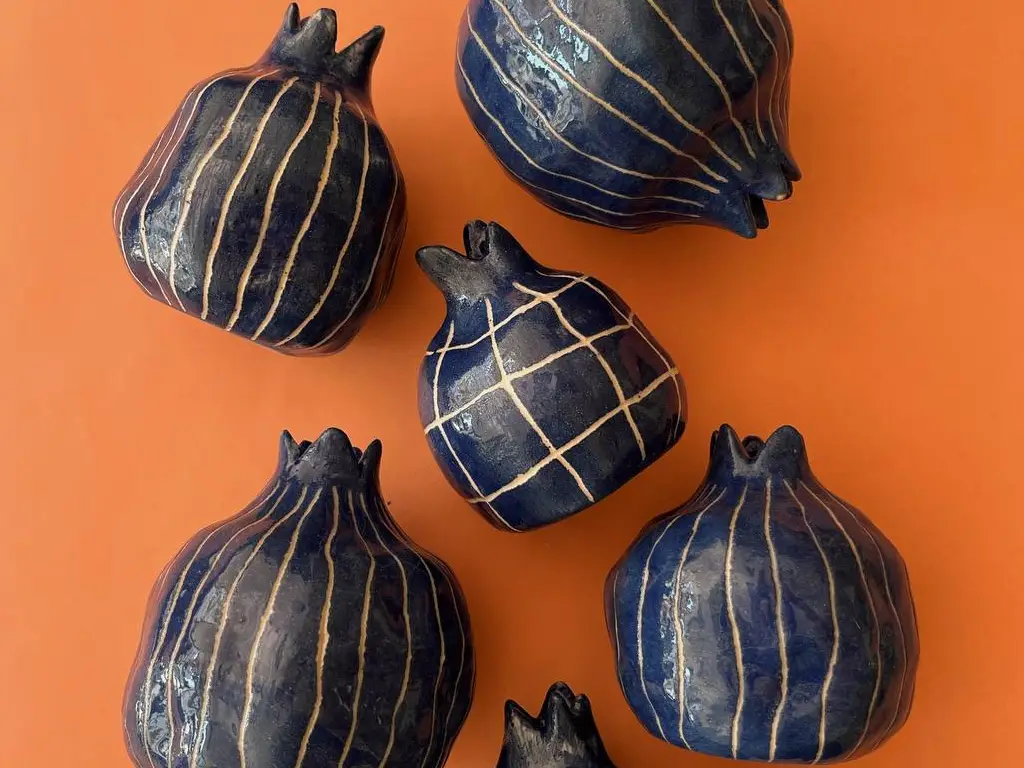
Where to Shop for Style This Holiday Season. Part 2.
As the autumn holidays continue in Israel, we’re happy to share with you the second part of our holiday gift guide. This season arrives at a complex time for many of us—yet creativity has a special way of lifting the spirit. It gives us energy, inspires hope, and reminds us of the beauty that surrounds us.That’s why we’ve put together another round of places and artists worth visiting: design shop...
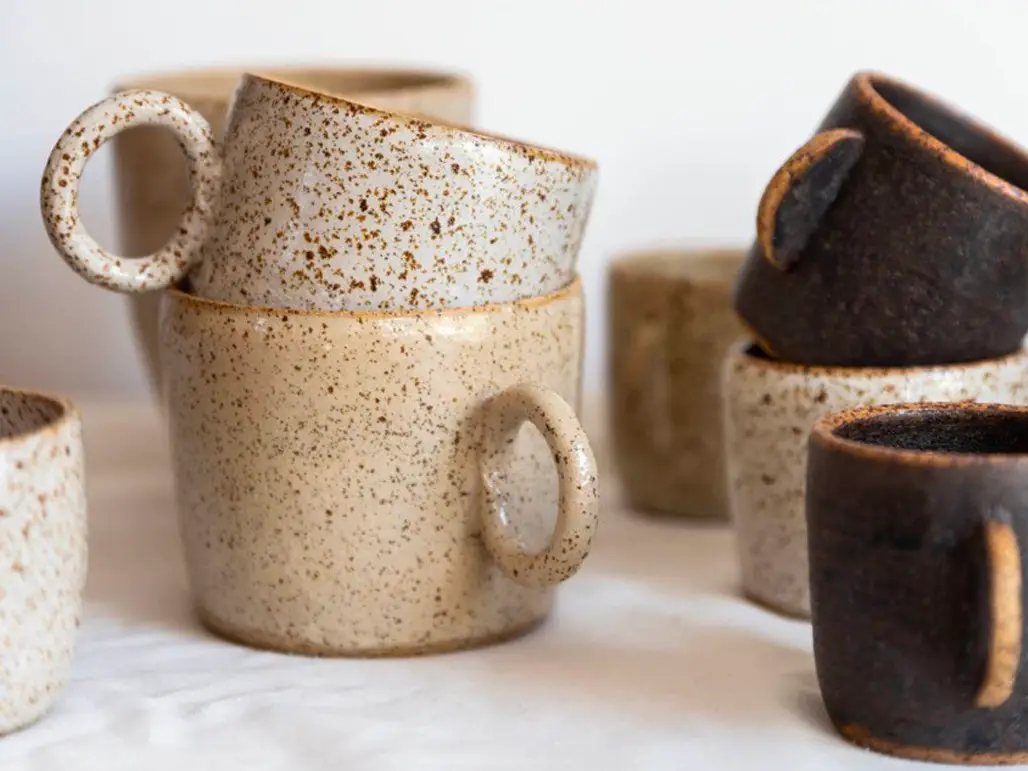
Where to Shop for Style This Holiday Season. Part 1.
As the autumn holidays approach in Israel (Rosh Hashanah on September 23–24, Yom Kippur on October 2, Sukkot from October 6, followed by Shemini Atzeret and Simchat Torah on October 13–14), tradition brings with it not only family gatherings but also a season of inspiration for design lovers. Across the country, furniture and home décor stores, design shops, and galleries open their doors with spe...
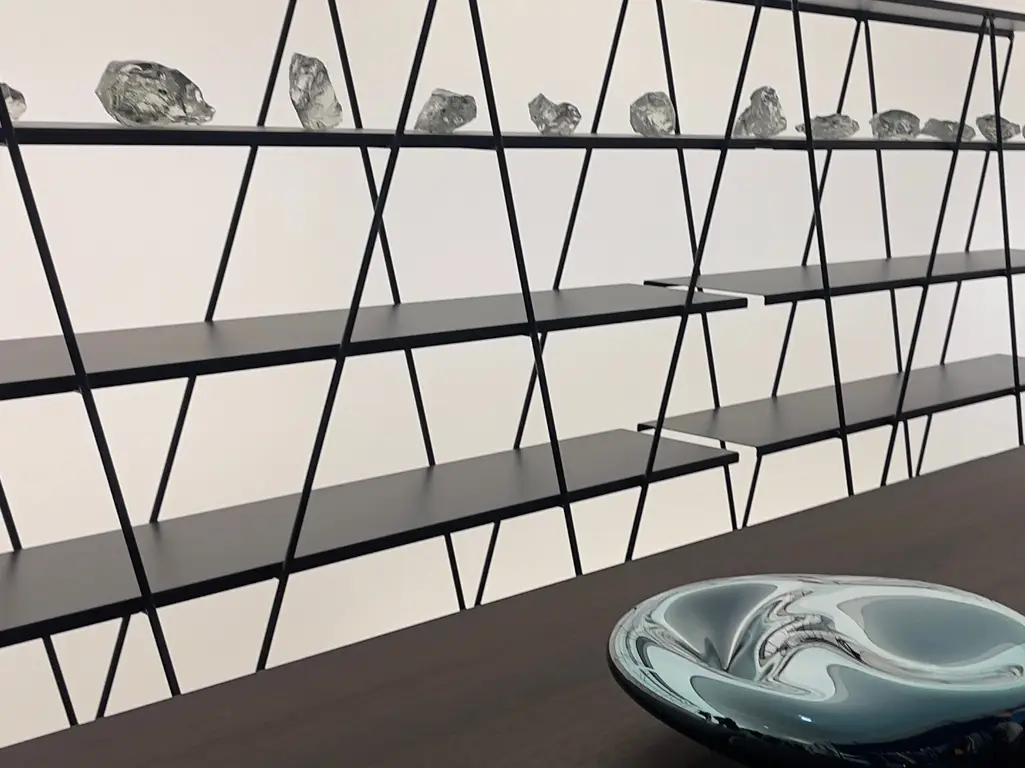
5 Brands That Stole My Heart: Victoria Paltilov Reflects on Milan Design Week

This year’s Salone del Mobile was truly impressive in its scale and energy — 16 halls, 169,000 square meters of exhibition space, and nearly 300,000 visitors from around the world over just six days (in comparison to 60,000 visitors in 2021). It’s one of the biggest and most influential events in the design world, bringing together top designers and brands to present the most cutting-edge ideas.We...
