
MAGAZINE
Between Inches and Centimeters: Designing Across Cultures


Related Posts
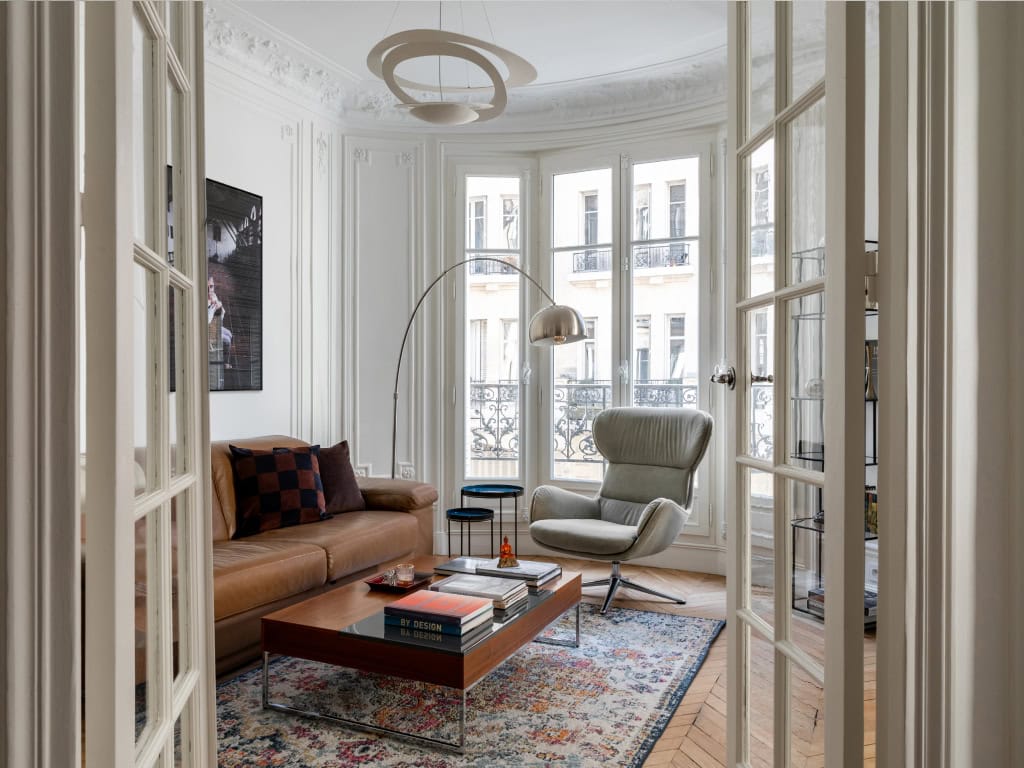
Old Bones, New Light. A Parisian Apartment Designed by Maria Beregovoy

A light and sophisticated Paris apartment becomes a reflection of its owner’s creative spirit in this latest project by interior designer Maria Beregovoy. With projects realised across Russia, Israel and France, the designer brings together an international perspective and a sensitive approach to creating deeply personal interiors.
Created for a journalist with a passion for travel, music, books a...
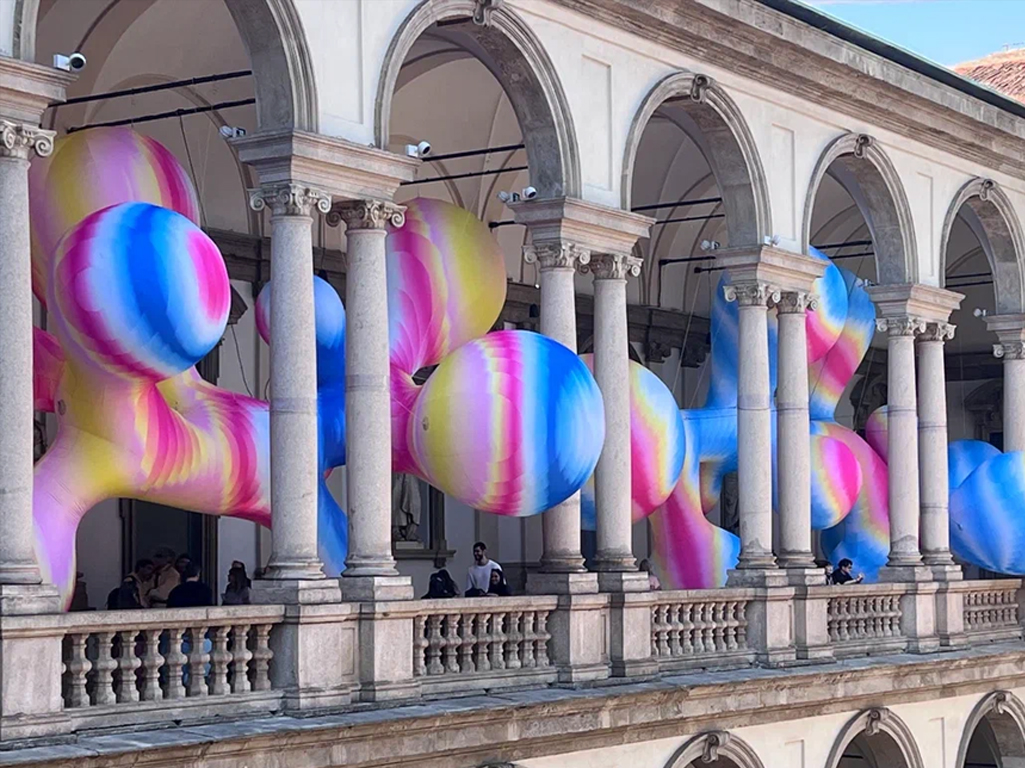
Salone del Mobile Milano 2026: A Space That Changes the Way We Feel
Recently, Milan hosted the annual Salone del Mobile — one of the key events in the world of design, which traditionally sets the direction for the industry for the year ahead. As always, the scale of the exhibition is truly overwhelming: dozens of pavilions, hundreds of brands, thousands of exhibits, and an endless variety of interpretations of what contemporary interiors can be.In this article, w...

The Beauty of a Second Chance: Conversation with Esty Ahimeir
In a culture driven by the new, the polished, and the immediate, choosing something with a past can feel almost radical. Yet this is precisely where the quiet power of design begins: in objects that carry memory, texture, and time.DI Catalogue met with Esty Ahimeir, co-founder of Just a Second, a Tel Aviv-based NGO, working at the intersection of urban renewal, circular economy, and contemporary d...
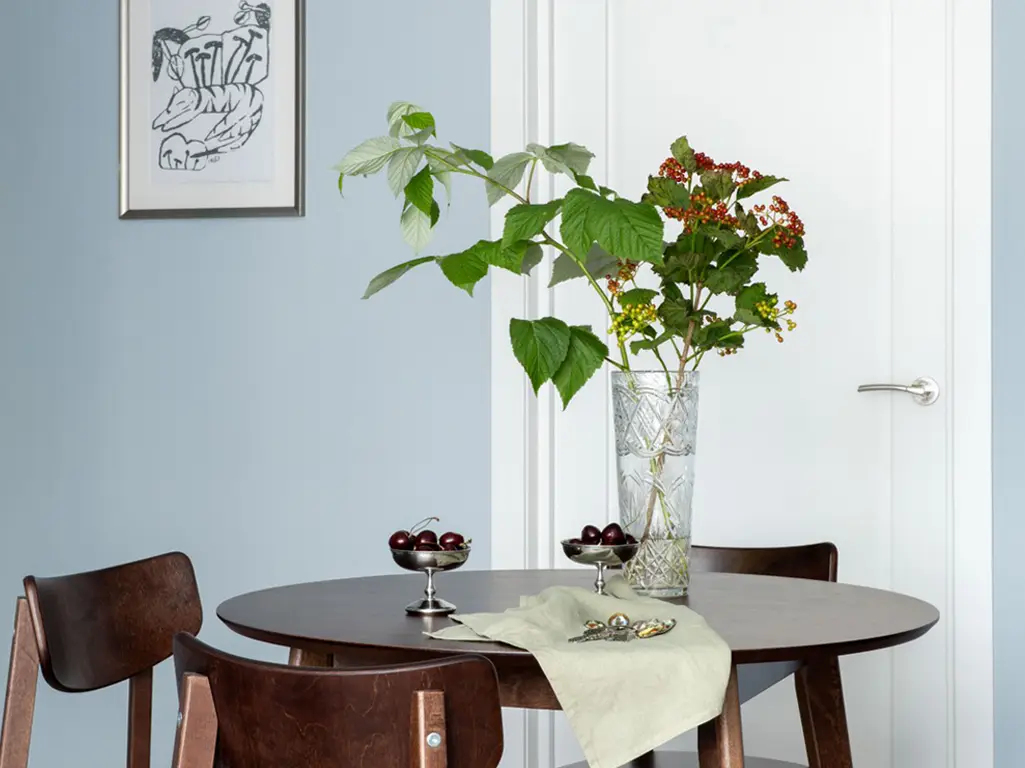
Express refresh: Set Your Home for Holiday and Guests
Holiday hustle doesn't have to mean stress. To instantly transform your home before guests arrive, focus on tackling "visual noise." Designer and Editor of DI CATALOUGE Olga Goldina shares a simple algorithm to fill your space with air and a sense of calm.
1. The "Clean Surfaces" Rule
Start by clearing off everything on your counters, TV stands, and shelves. Leave only a few large it...
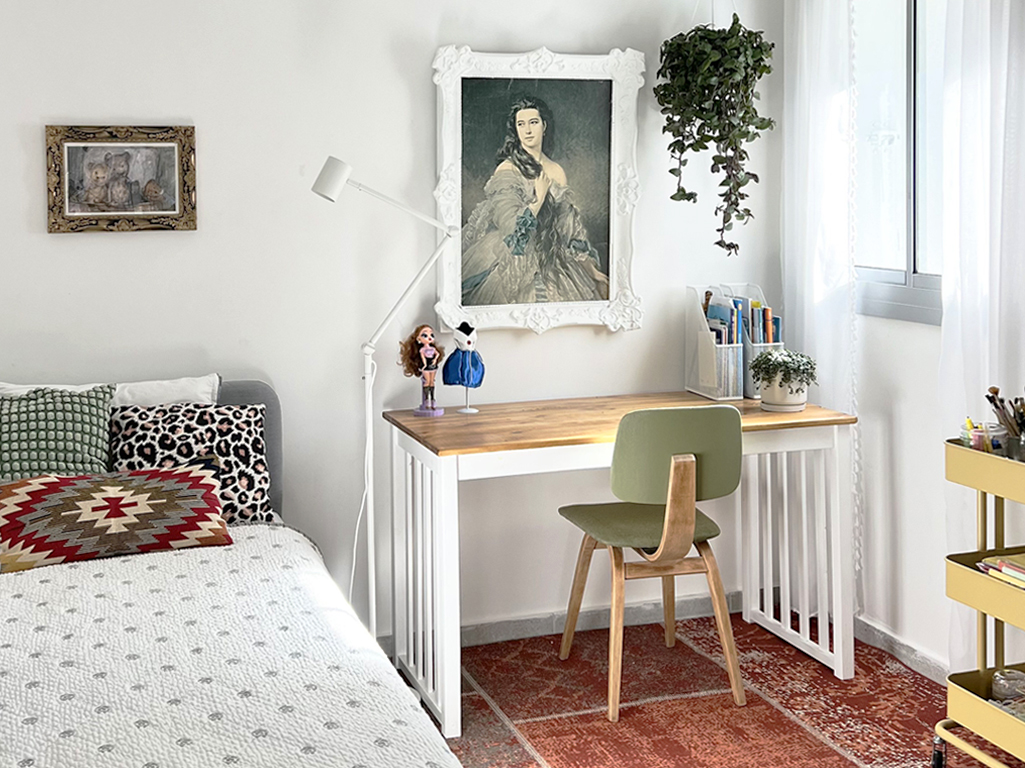
5 SIMPLE WAYS TO REFRESH YOUR INTERIOR FOR PASSOVER
In the lead-up to Passover, it’s customary to give special attention to the home: to declutter, let go of the unnecessary, and introduce something new. It’s a time to refresh, to decorate, and to fill the space with a sense of clarity, lightness, and comfort.Designer, stylist, and DIY blogger Sveta Bromberg shares with DI CATALOUGE five simple yet effective ways to transform your home and create a...
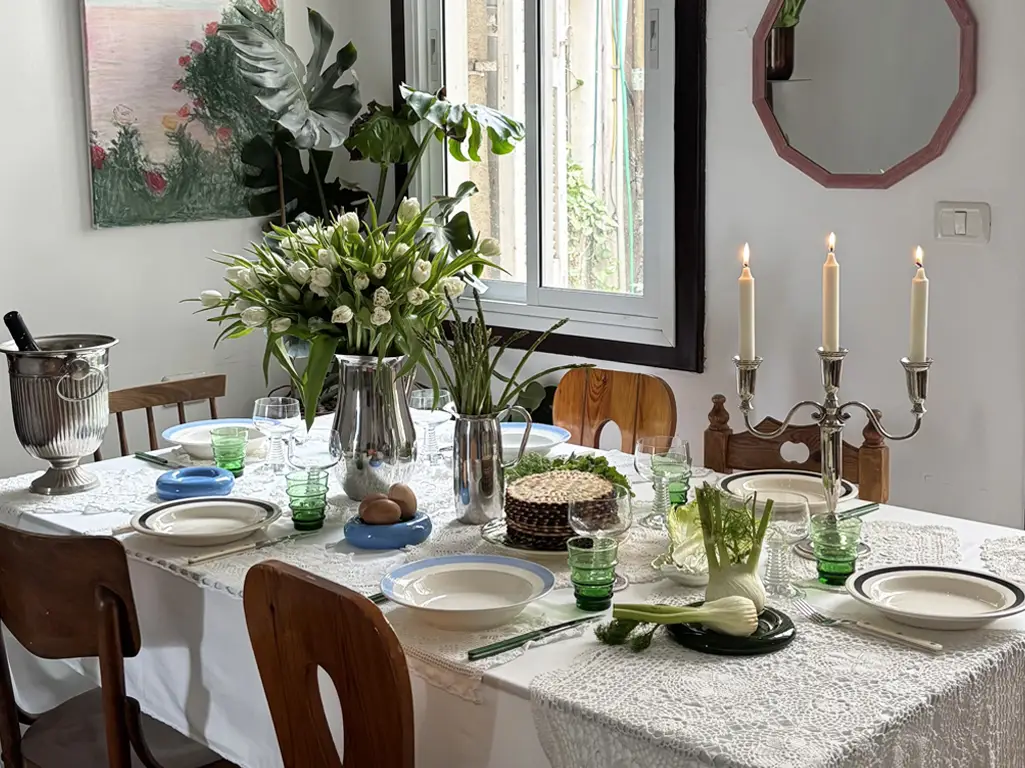
Before Passover: 6 Table Styling Principles That Will Make Your Seder Unique
On the eve of Passover, the editorial team of the magazine asked a florist and set designer Lilia Suleimanov to share how to set a beautiful and stylish holiday table. After all, the whole family usually gathers around the table on this day, and its design plays an important role in creating a festive and celebratory atmosphere.
As a florist and set designer, I’ve always seen the table not sim...
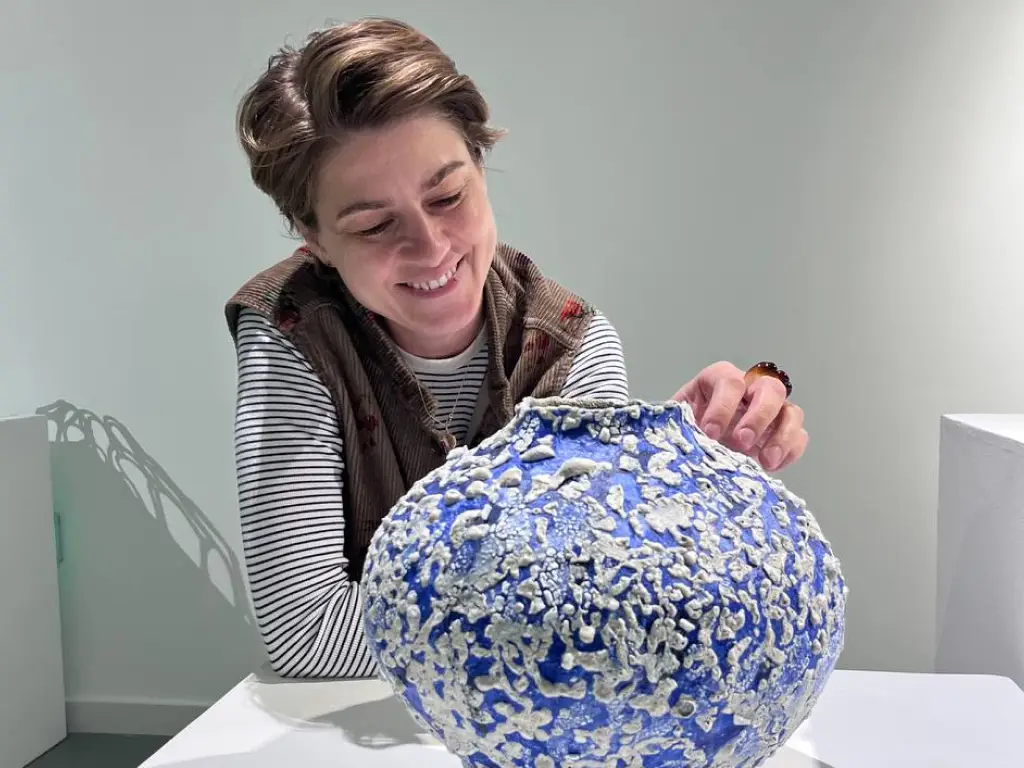
Liza Fedotova – interview with the artist
Liza Fedotova is a ceramic artist who came to ceramics from painting and has been working with clay for over seven years.Originally from Moscow, she moved to Israel three years ago, where her practice continued to grow and evolve. Her work is inspired by constructivism and Bauhaus, clean geometry, and balanced, well-defined forms. Liza works exclusively with natural materials, creating each piece ...
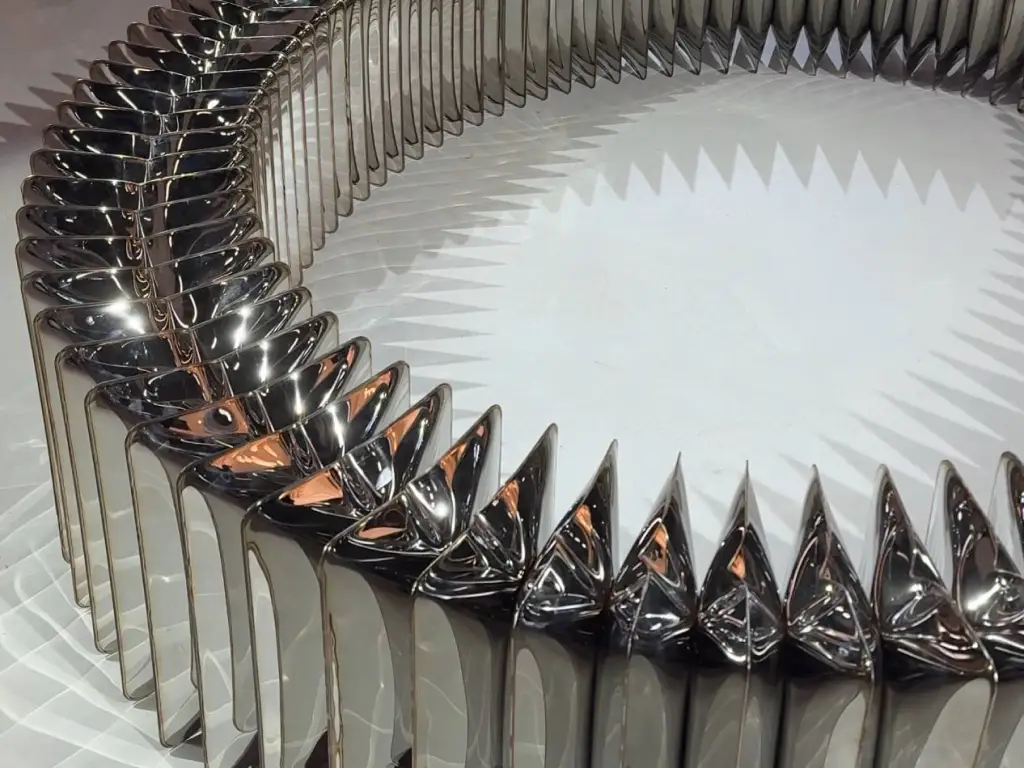
Maison & Objet January 2026: Trends and Highlights
Every January, Paris becomes a focal point of ideas, and Maison&Objet is not just an exhibition, but an indicator of where the design industry is heading. In 2026, this direction is articulated with particular clarity through its theme - PAST REVEALS FUTURE. Our correspondent Maria Beregovaya, Israeli interior designer with her private practice in Paris, shares her impressions and professiona...
How Family History Influences The Interior Design
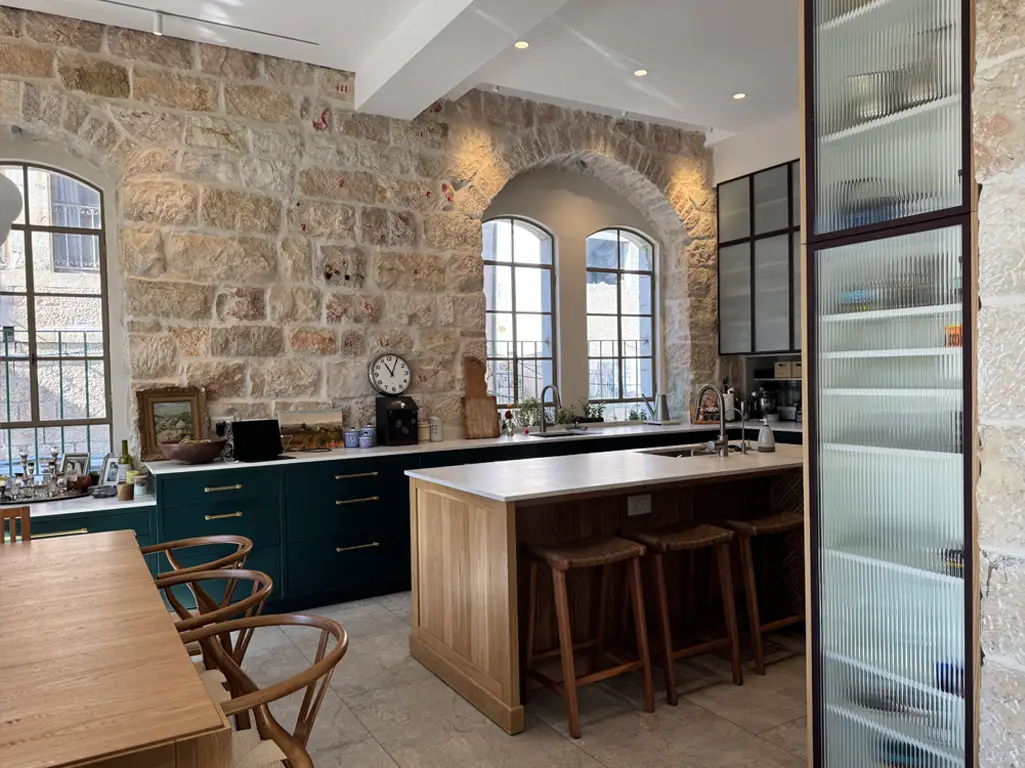
The editorial team of DI Catalogue was invited to a home shaped from within - a place where art, memory, and everyday life are deeply intertwined. This is the home of Rebecca Shore, an artist, created for her, her husband, and their family by her son, interior designer Simcha Shore. We spoke with Rebecca and Simcha about what it means to work together as mother and son, artist and designer, about ...
Hanukkah Menorahs that will Add Light This Year
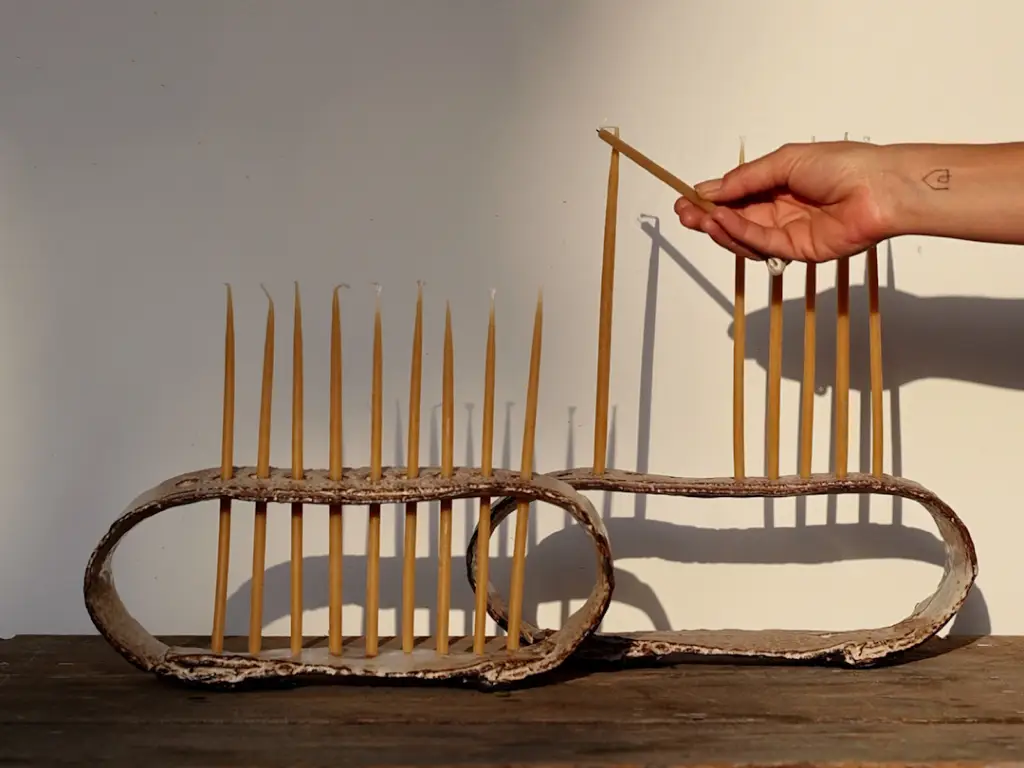
Today, in the last day of Hanukkah as the 8th candle is to be lit, we are happy to share with you this amazing collection of selected Hanukkah menorahs. This review brings together artists from the short list of finalists of our Open Call Hanukkah Edition that we made in collaboration with art curator Ela Cohen and ECLECTICTLV project as a curated invitation to artists working with material, ligh...
You In the Frame! Tips from Photographer Iya Volkova. For Creative Professionals.
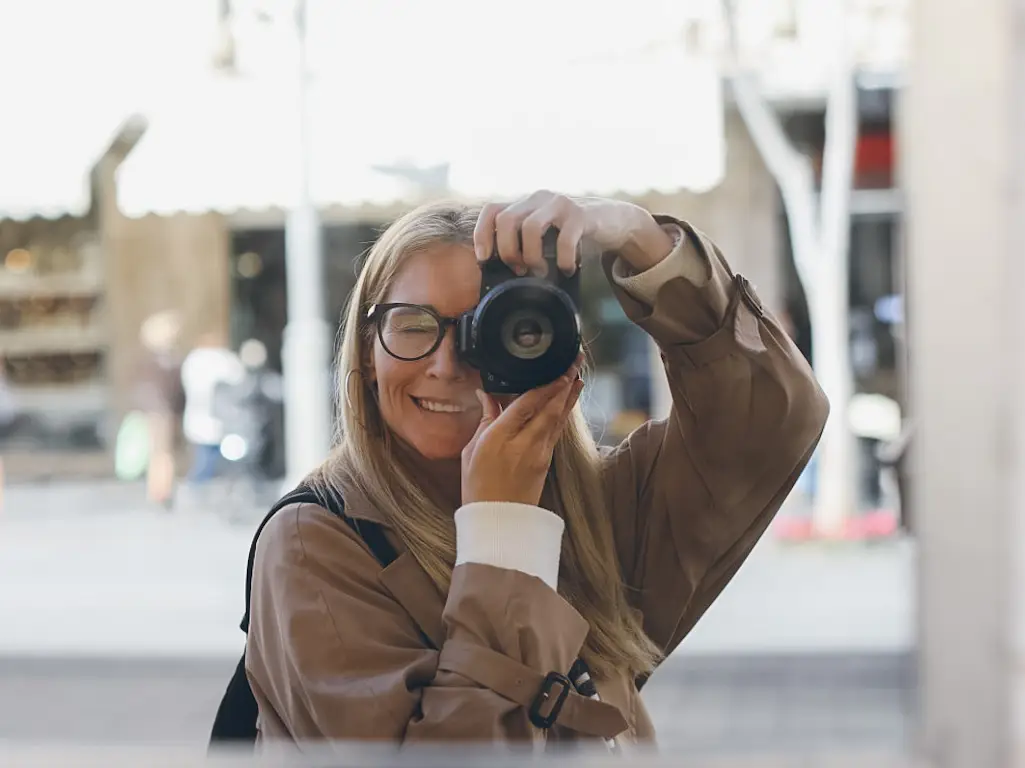
Photography is a way to tell your story. It’s more than how you look - it’s how you "are": through light, posture, space, and mood. When a frame holds meaning, it becomes more than beautiful - it becomes real. We spoke with a talented photographer Iya Volkova - someone who notices light in ordinary moments, captures atmosphere, and reveals individuality. Iya’s main principle: photograph life, not ...
Maison&Objet, September 2025: Designer Maria Beregovaya Take on Trends and Highlights
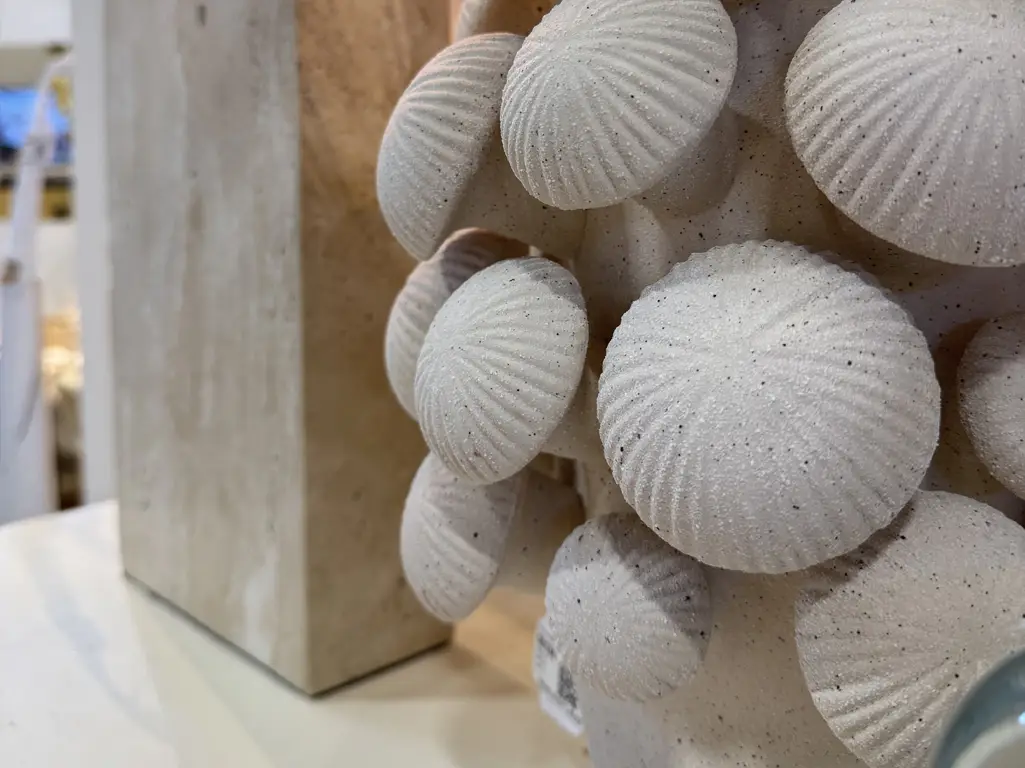
Paris’s Maison&Objet Design Fair is a cornerstone for interior designers worldwide. Maria Beregovaya, interior designer and our correspondent from Paris, shares her impressions and professional insights on the second design exhibition in Paris this year.
It should be noted that this exhibition was smaller and more focused on décor than on furniture, compared ...